
How To
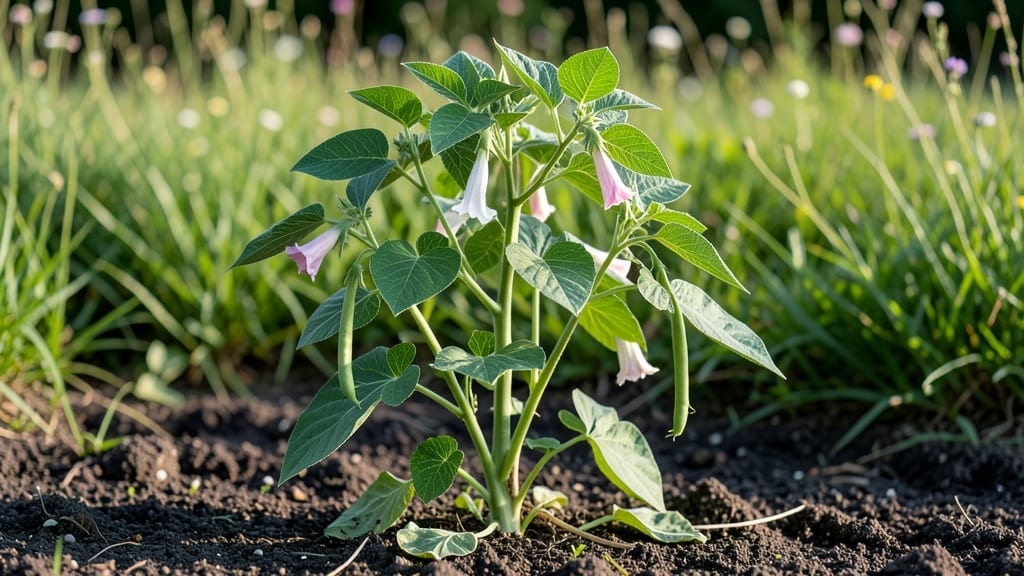
Bush beans are good for soil because they naturally enrich it by capturing atmospheric nitrogen through root nodules, making it directly available to other plants. Their extensive root systems also break up compacted earth and prevent erosion while adding organic material when they decompose.
This nitrogen-fixing superpower comes from a symbiotic relationship with beneficial bacteria called Rhizobium, which live in the bean roots. 🌱 When these bacteria convert nitrogen gas from the air into ammonia, they create a nutrient boost that can last for years in your garden.
Beyond nitrogen, bush beans act like natural soil tillers—their roots loosen dense soil while their decaying foliage adds carbon-rich organic matter, creating an ideal growing environment for vegetables like corn and tomatoes.
For maximum benefits, plant bush beans in early spring or late summer when soil temperatures are moderate. Pair them with complementary plants like cucumbers or lettuce, but avoid planting them where other beans or peas have grown recently to prevent soil depletion.
The key is balance—too many beans can actually reduce nitrogen availability over time.
💡 In This Article
- How Bush Beans Fix Nitrogen in the Soil
- Best Practices for Planting Bush Beans to Boost Soil Health
How bush beans fix nitrogen in the soil
The magic happens underground in tiny root nodules where bush beans host Rhizobium bacteria. These microscopic allies enter the plant through root hairs, triggering the formation of specialized nodules—visible as small, pinkish swellings.
Inside these nodules, the bacteria convert inert atmospheric nitrogen (N₂) into ammonia (NH₃) through a process called nitrogen fixation, powered by the plant's energy.
This chemical transformation is nothing short of revolutionary. While most plants rely on soil nitrogen that's already in limited supply, bush beans create their own fertilizer.
A single pound of dried beans can fix 1-3 pounds of nitrogen from the air during their growing season—enough to support subsequent crops like corn or wheat that are heavy nitrogen consumers.
The ammonia produced is quickly converted into amino acids and proteins that feed the plant, with excess nitrogen released into the soil as organic compounds.
The efficiency of this partnership is staggering. Studies show that legumes like bush beans can fix up to 200 pounds of nitrogen per acre annually, rivaling synthetic fertilizers but with zero environmental runoff.
The nitrogen becomes available to neighboring plants through root exudates and when the bean plants decompose, creating a slow-release nutrient system that benefits gardens for years after harvest. 🌱
What makes this system particularly valuable is its sustainability. Unlike chemical fertilizers that require energy-intensive production, bush beans perform this nitrogen conversion using sunlight and water. Their roots also release compounds that stimulate other soil microorganisms, creating a thriving ecosystem that improves soil structure and water retention over time.
The timing of this nitrogen release is also strategic. Bush beans begin fixing nitrogen 4-6 weeks after germination, when they've established sufficient root systems. This coincides with the growth phases of many vegetables, providing a natural nutrient boost when other plants need it most.
The process continues until the plants are harvested or die back, at which point the nitrogen becomes fully available to subsequent crops.
One fascinating detail is how this nitrogen fixation works at the molecular level. The enzyme nitrogenase, produced by the Rhizobium bacteria, breaks the triple bond in nitrogen gas—a reaction that requires 16 molecules of ATP (energy) per nitrogen molecule fixed.
This energy comes from the plant's photosynthesis, creating a perfect symbiotic cycle where both organisms benefit.
For gardeners, this means planting bush beans isn't just about harvesting pods—it's about creating a legacy of fertility. The nitrogen they fix can remain in the soil for 2-3 years after the plants are removed, making them an essential component of any organic gardening system. 💫