
Fertilization
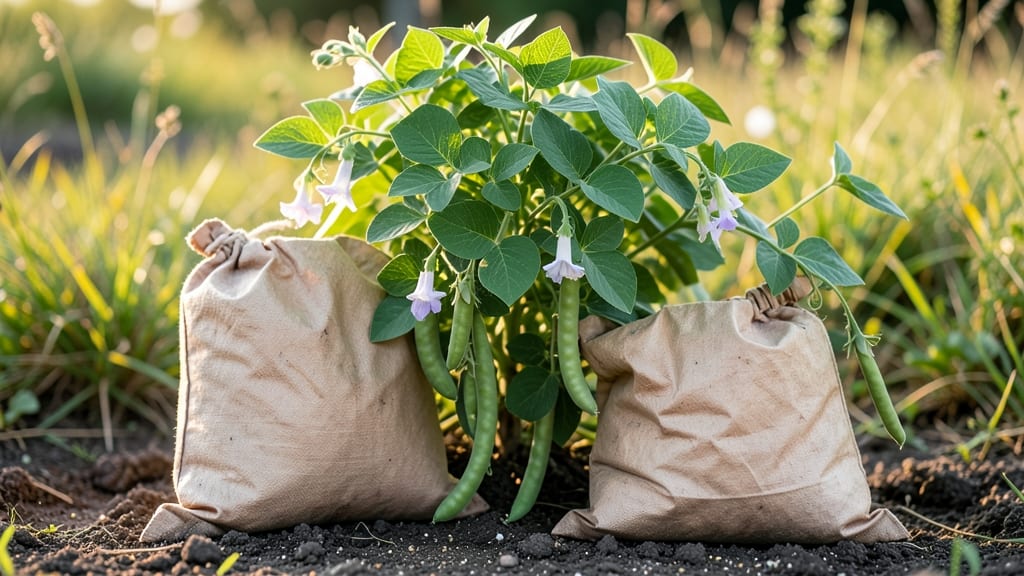
The right nitrogen fertilizer for green beans can turn a handful of pods into a bucketful—but mess up the timing or type, and you’ll end up with leafy plants and no harvest.
Picture this: You’ve just planted your April 15 seeds, the soil is warm, and you’re eager to see those vines climb. But without the right nitrogen boost, your plants might struggle to produce the beans you’re dreaming of.
The key lies in understanding when and how to feed them, whether you’re growing bush or pole varieties.
In this guide, I’ll walk you through soil testing, organic vs. synthetic options, and the exact feeding schedule to maximize your yield—without burning your plants. No guesswork, just science-backed steps to turn your garden into a bean bonanza.
Ready to learn the 3-step schedule that keeps your green beans thriving? Let’s get started.
How to read soil tests for green bean nitrogen needs (bush vs. pole differences)
Green beans are hungry plants, but their nitrogen needs shift dramatically between bush varieties (compact, 60-day harvest) and pole varieties (vining, 90+ days). A soil test reveals whether your garden is over- or under-supplying this critical nutrient.
Without proper nitrogen levels, you’ll end up with leafy stalks but no pods—or worse, stunted plants that struggle to produce.
Most gardeners overlook the pH-nitrogen relationship. Green beans thrive in slightly acidic to neutral soil (pH 6.0–7.0). If your test shows a pH outside this range, nitrogen becomes less available to your plants, even if the soil test reports "high" nitrogen.
For example, at pH 5.5, your beans might show deficiency symptoms despite adequate nitrogen levels.
| Nutrient Factor | Bush Beans (60-Day Varieties) | Pole Beans (90+ Day Varieties) | Optimal Soil Test Range |
|---|---|---|---|
| Nitrogen (ppm) | 60–80 ppm | 80–120 ppm | 50–150 ppm (varies by soil type) |
| pH Level | 6.0–6.8 | 6.2–7.0 | 6.0–7.0 (critical for uptake) |
| Organic Matter (%) | 3–5% | 4–6% | 3–8% (improves nitrogen retention) |
| Deficiency Signs | Yellow lower leaves, stunted growth | Pale stems, delayed vining | Check leaves first, then stems |
| Excess Signs | Excessive leaf growth, few pods | Dark green foliage, weak structure | Flush soil with water to leach excess |
Pole beans demand 20–50% more nitrogen than bush beans because their longer growing season and vigorous vines require sustained nutrient supply. If your soil test shows nitrogen below 80 ppm, pole beans will struggle to climb trellises or produce heavy yields.
For bush beans, aim for 60–80 ppm—any higher risks leafy growth at the expense of pods.
One of the most overlooked factors is nitrogen availability. Even if your soil test reports sufficient nitrogen, it might be locked up in organic matter that hasn’t decomposed yet.
To unlock it, add composted manure or well-aged compost (1–2 inches) before planting. For faster results, use a slow-release organic fertilizer like alfalfa meal (3–4 lbs per 100 sq ft).
Bush beans peak nitrogen needs occur during the first 4–6 weeks of growth, while pole beans require consistent nitrogen throughout their 90+ day cycle. If your soil test shows low organic matter (<3%), incorporate leaf mold or peanut hull compost to improve nitrogen retention.
These amendments also buffer pH fluctuations, keeping your soil in the ideal 6.0–7.0 range.
Watch for yellowing between leaf veins—a classic nitrogen deficiency sign. In bush beans, this often appears on the older leaves first, while pole beans may show pale stems and slow vine growth.
If you see these symptoms, apply a quick-release nitrogen source like blood meal (1 tbsp per plant) or fish emulsion (diluted to 1–2%). For pole beans, split applications into two doses to avoid shocking the roots.
Over-fertilizing with nitrogen can be just as damaging as under-fertilizing. Excess nitrogen leads to luxuriant foliage but fewer pods, a condition called "blindness". Pole beans are especially sensitive to this because their energy is diverted to leaves instead of climbing and pod production.
To correct an over-fertilized patch, reduce watering slightly and apply potassium-rich compost (like banana peel tea) to balance the nitrogen-to-potassium ratio.
For container-grown green beans, nitrogen needs are even more critical because limited root space restricts nutrient uptake. Use a balanced fertilizer (
Step-by-step nitrogen fertilizer schedule for maximum green bean yields
Green beans thrive when nitrogen levels are just right—too little stunts growth, while too much delays pod production. My soil-test-based schedule balances organic and synthetic options to fuel leafy growth early and pod development later. Pole beans need slightly more nitrogen than bush varieties due to their longer growing season.
Start with a soil test to confirm your garden’s nitrogen baseline. Most green beans prefer 60–80 ppm nitrogen during active growth. If your soil tests low, we’ll boost it organically first—compost or well-aged manure—before turning to synthetic options like urea or ammonium sulfate for quick fixes.
- Week 1–2 (Seedlings): Apply 1 lb of 10-10-10 fertilizer per 100 sq ft or 2 cups compost per plant at planting. Focus on root development—avoid over-feeding.
- Week 4 (Early Growth): Side-dress with ½ lb urea per 100 sq ft or 1 inch compost when plants hit 6 inches tall. Water deeply to activate nutrients.
- Week 6–8 (Flowering): Reduce nitrogen by 50% to shift energy to pod production. Use foliar spray with fish emulsion (1 tbsp/gallon) for quick uptake.
- Week 10+ (Pod Stage): Switch to low-nitrogen fertilizer (5-10-10) or potassium-rich compost to prevent leafy regrowth and encourage harvests.
For pole beans, extend the high-nitrogen phase by 2–3 weeks since they grow taller. Bush beans, however, need nitrogen tapered off sooner to prevent late-season leafiness that reduces pod quality. Always water after fertilizing to prevent root burn.
Monitor leaves for nitrogen deficiency (yellowing lower leaves) or excess (dark green, sparse pods). Adjust your schedule by halving doses if you see excessive leaf growth with few beans. Organic options like alfalfa meal or blood meal release nitrogen slowly, reducing over-application risks.
Timing matters most: avoid fertilizing within 2 weeks of harvest to prevent nitrates from seeping into pods. My late-afternoon feeding routine (after 4 PM) minimizes leaf burn and maximizes root absorption overnight.
Pro tip: Mix 1 cup of coffee grounds per plant every 4 weeks for a free nitrogen boost. The acidity also helps prevent fungal diseases common in nitrogen-rich soils. 🌱