
Advice
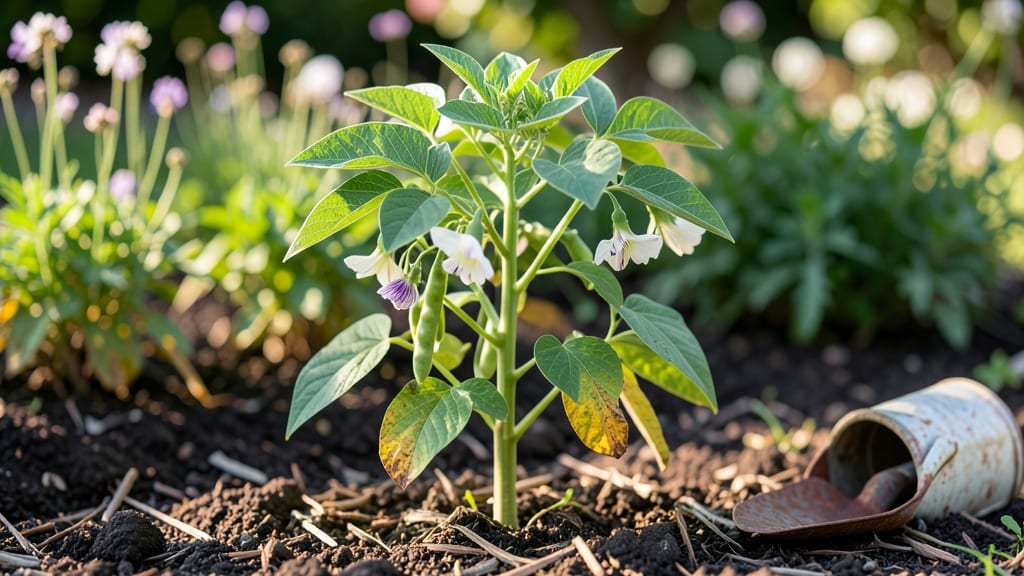
Bush bean leaves turning yellow can mean your harvest is just days away from disaster—but there’s a quick fix. 🌱 I’ve seen this happen after just one week of wrong care, and the good news is you can often reverse it in 3 days with the right steps.
The key is figuring out whether it’s water, nutrients, or something sneaky like pests.
Most yellowing starts with overwatering or nutrient burnout—especially if the soil feels soggy or the leaves look limp. Check the undersides for tiny bugs (aphids or spider mites) or dark spots (fungus).
My beans recovered fast once I cut back on water and added a balanced fertilizer, but I’ve also had to pull plants when rust spots showed up.
You’ll likely see new green leaves within 48-72 hours if it’s water or nutrients. For pests, a strong spray of water or neem oil does the trick. The real win? Preventing it next time with consistent moisture checks and mulch to keep roots happy.
This works for all bush bean varieties—whether you’re growing ‘Blue Lake,’ ‘Contender,’ or heirlooms. The same fixes apply, so don’t stress if you’re new to beans. Let’s get those leaves back to vibrant green!
Root Causes Behind Yellowing Leaves
When your bush beans’ leaves start turning yellow, it’s often a distress signal from the plant—like a traffic light flashing red. Understanding the why behind the discoloration is the first step to restoring your crop’s health.
Below, we break down the most common culprits, backed by science, so you can diagnose the issue and act fast.
Yellowing leaves on bush beans are frequently linked to waterlogged roots, which suffocate the plant and block oxygen uptake. Here’s why it happens:
- Root Rot: Excess moisture creates anaerobic conditions, encouraging Pythium or Phytophthora fungi to thrive. These pathogens clog root cells, preventing nutrient absorption—especially nitrogen, which causes interveinal chlorosis (yellowing between veins).
- Nutrient Leaching: Overwatered soil flushes out essential minerals like potassium and magnesium, further stressing the plant. Yellowing often starts on older, lower leaves first, a classic sign of nutrient starvation.
- Compacted Soil: Heavy or clay soils retain too much water, worsening drainage issues. Bush beans, with their shallow root systems, are particularly vulnerable.
Actionable Fix: Let the top 1–2 inches of soil dry out between waterings. Amend heavy soil with compost or perlite to improve aeration. If root rot is suspected, repot affected plants in fresh, sterile potting mix.
Yellowing leaves can signal a specific nutrient shortage, each with distinct patterns:
| Nutrient | Yellowing Pattern | Why It Happens |
|---|---|---|
| Nitrogen (N) | Uniform yellowing on older leaves (begins at leaf edges, progresses inward). | Nitrogen is mobile in plants, so they “recycle” it from older leaves to new growth. Deficiency often stems from poor soil fertility or overwatering, which leaches nitrogen away. |
| Magnesium (Mg) | Yellowing between veins on older leaves (interveinal chlorosis), with veins staying green. | Magnesium is central to chlorophyll production. It’s often lacking in alkaline soils (pH > 7.0), where iron and magnesium become less available. Bush beans also deplete soil magnesium quickly. |
| Iron (Fe) | Yellowing on young leaves (new growth), with veins remaining green. | Iron is immobile in plants, so deficiency appears first in new leaves. It’s common in calcareous (high-pH) soils, where iron binds to soil particles and becomes unavailable. |
Actionable Fix:
- For nitrogen: Apply a balanced fertilizer (e.g., 10-10-10) or compost tea. Avoid synthetic nitrogen spikes, which can burn roots.
- For magnesium: Use Epsom salt (1 tbsp per gallon of water, sprayed on leaves or soil) or switch to acidic soil amendments (sulfur, peat moss).
- For iron: Lower soil pH with elemental sulfur or use chelated iron supplements. Foliar sprays (e.g., iron sulfate) provide quick relief.
While less common, pests and pathogens can trigger yellowing as a secondary effect by disrupting nutrient flow or clogging vascular tissues.
- Aphids/Spider Mites: These sap-sucking pests inject toxins that cause stippling (tiny yellow spots) on leaves. Heavy infestations weaken the plant, leading to widespread yellowing.
- Bean Leaf Roll Virus (BLRV): Spread by aphids, this virus causes cupping and yellowing of leaves, stunting growth. It’s more common in stressed plants.
- Fungal Leaf Spots: Diseases like Alternaria or Septoria create yellow halos around dark spots, eventually killing leaf tissue.
Actionable Fix:
- Inspect leaves for holes, webbing, or sticky residue (aphid honeydew). Treat with neem oil or insecticidal soap.
- Remove infected leaves and dispose of them in sealed bags. Apply copper fungicide preventively if humidity is high.
- Rotate crops annually to break disease cycles and avoid planting beans in the same spot.
Bush beans are tender perennials with a narrow comfort zone (ideal temps: 70–80°F). Extreme heat or cold can disrupt chlorophyll production, leading to yellowing.
- Heat Stress: Temperatures above 90°F cause protein denaturation in leaves, leading to yellowing and wilting. High heat also increases transpiration rates, pulling nutrients out of the soil faster than roots can replace them.
- Cold Stress: Frosts below 32°F damage cell membranes, causing oxidative stress and chlorosis. Young leaves are most vulnerable.
Actionable Fix:
- Provide shade cloth (30–50%) during heatwaves or mulch heavily to retain soil moisture.
- Use row covers for early/late-season planting to protect against frost.
- Water deeply in the early morning to cool leaves and reduce heat stress.
💡 Pro Tip: Keep a plant journal to track watering, fertilizing, and environmental conditions. Noticing patterns (e.g., yellowing after heavy rain or fertilizer application) can help you pinpoint the exact cause faster next time!
Quick fixes for healthy green beans
Yellowing leaves on your bush beans aren’t just an eyesore—they’re a cry for help! 🚨 The good news? Most issues are fixable with simple, targeted actions. Below, we’ve mapped out the most common causes of yellow leaves and the fast, practical solutions to restore your plants to vibrant health.
Plus, we’ll share prevention tips to keep your beans thriving for seasons to come.
Yellow leaves often signal a lack of essential nutrients. Here’s how to diagnose and correct the most common deficiencies:
🌱 Nitrogen Deficiency (Pale Yellow Leaves, Stunted Growth)
If your bush beans are showing pale yellow leaves (especially older ones) and weak stems, they’re starving for nitrogen—the building block of leafy greens.
- 🔥 Apply a nitrogen-rich fertilizer: Use a balanced fertilizer (like 10-10-10) or an organic option such as composted manure, blood meal, or fish emulsion. Follow package instructions for dosage.
- 🍳 Boost soil health: Mix in 1–2 inches of compost around the base of the plant (avoid direct contact with stems to prevent rot).
- 🌡️ Water wisely: Nitrogen leaches out in sandy or dry soil. Keep the soil consistently moist but not soggy.
💡 Pro Tip: Coffee grounds (used, not fresh) are a free, nitrogen-rich soil amendment. Sprinkle a thin layer around the plants and water in.
💚 Magnesium Deficiency (Yellow Edges, Interveinal Chlorosis)
Yellowing between the veins of older leaves? Your beans are craving magnesium, a key player in photosynthesis.
- 👨🍳 Use Epsom salt: Dissolve 1 tablespoon of Epsom salt (magnesium sulfate) in 1 gallon of water. Spray this solution on the leaves or pour it into the soil every 2–3 weeks.
- 🥘 Add magnesium-rich amendments: Work dolomitic lime or wood ash into the soil (follow package rates). These raise magnesium levels over time.
- 🌱 Avoid over-fertilizing with potassium: Too much potassium can block magnesium uptake. Stick to balanced fertilizers.
🟢 Iron or Zinc Deficiency (Yellow New Growth, Small Leaves)
Bright yellow leaves on new growth (especially in alkaline soil) mean your beans can’t access iron or zinc, even if the soil has plenty. These nutrients are crucial for chlorophyll production.
- ⏰ Chelated iron/zinc spray: Use a liquid chelated iron or zinc supplement (available at garden centers). Spray directly on leaves every 7–10 days until improvement is seen.
- 🔪 Acidify the soil (if pH is high): Test your soil pH—ideal for beans is 6.0–7.0. If it’s alkaline, add sulfur or peat moss to lower the pH gradually.
- 🌡️ Water with iron-rich tea: Steep 1 cup of grass clippings or compost in 5 gallons of water for 24 hours, then strain and water your plants. Repeat weekly.
Overwatering or poor drainage can suffocate roots, leading to yellow leaves and fungal issues. Here’s how to get it right:
🌧️ Overwatering or Root Rot (Mushy Stems, Yellowing Bottom Leaves)
If your bean leaves are yellow and the stems feel soft or mushy, root rot may be the culprit—often caused by soggy soil.
- 🔥 Adjust your watering routine: Let the top 1–2 inches of soil dry out between waterings. Bush beans prefer consistent moisture but hate wet feet.
- 🍳 Improve drainage: Amend heavy clay soil with perlite, sand, or compost to create air pockets. If planting in containers, ensure pots have drainage holes.
- 🌱 Repot if needed: If root rot is severe, carefully remove the plant, trim away mushy roots with sterilized scissors, and repot in fresh, well-draining soil.
- 💡 Pro Tip: Mulch around plants with straw or shredded leaves to retain moisture without smothering roots.
#### ☀️ Underwatering (Dry, Crispy Edges, Wilting)
Yellowing with dry, brittle edges? Your beans might be thirsty, especially in hot weather.
- 🌡️ Water deeply and regularly: Aim for 1–1.5 inches of water per week, either from rainfall or irrigation. Use a drip system or soaker hose to deliver water directly to the roots.
- 🌱 Monitor soil moisture: Stick your finger 1–2 inches into the soil. If it’s dry, it’s time to water.
- ✨ Mulch to retain moisture: Apply a 2–3 inch layer of organic mulch (like grass clippings or straw) to reduce evaporation.
Pests and pathogens can turn your bush bean leaves yellow overnight. Act fast to save your crop!
🐜 Aphids, Spider Mites, or Bean Beetles (Sticky Leaves, Holes, Yellow Spots)
Tiny pests suck sap from leaves, causing yellowing, curling, or stippling.
- 🔪 Blast them off: Spray plants with a strong stream of water to dislodge pests. Do this in the early morning for best results.
- 🍳 Use insecticidal soap or neem oil: Mix 1–2 tablespoons of insecticidal soap or neem oil per quart of water. Spray thoroughly on both leaf surfaces. Repeat every 5–7 days.
- 🌱 Introduce beneficial insects: Ladybugs, lacewings, and parasitic wasps devour aphids. Buy them online or attract them with companion plants like marigolds or dill.
- 💡 Pro Tip: For severe infestations, use a systemic insecticide like imidacloprid (follow label instructions).
#### 🍄 Fungal Issues (Yellow Spots, Mold, or Powdery Coating)
Fungi like powdery mildew or rust thrive in humid conditions, causing yellowing and leaf drop.
- 🌧️ Improve airflow: Space plants 12–18 inches apart and prune nearby foliage to reduce humidity around leaves.
- 🍳 Apply baking soda spray: Mix 1 tablespoon of baking soda, 1 teaspoon of dish soap, and 1 quart of water. Spray on leaves every 7–10 days.
- 🌱 Use copper fungicide: For stubborn fungal infections, spray with a copper-based fungicide (like Bordeaux mixture) as directed.
- ✨ Prevent recurrence: Avoid overhead watering. Water at the base of the plant in the early morning.
Once your bush beans are back to their green selves, keep them thriving with these easy maintenance strategies:
- 📊 Test your soil: Conduct a soil test every 2–3 years to check pH and nutrient levels. Adjust as needed with lime (for acidic soil) or sulfur (for alkaline soil).
- 💪 Rotate crops: Avoid planting beans in the same spot year after year. This prevents nutrient depletion and disease buildup.
- 🥗 Use organic matter: Amend soil annually with compost or well-rotted manure to
Frequently asked questions
Why do my bush beans' leaves turn yellow first on the older ones?
This is usually a sign of nitrogen deficiency or magnesium deficiency. Bush beans move nutrients from older leaves to new growth when they're lacking, causing those lower leaves to yellow first. Check if the yellowing appears between veins (magnesium) or uniformly (nitrogen) to diagnose.
Can I still harvest beans if the leaves are yellow?
Yes, but focus on the pods rather than the leaves. Yellow leaves mean the plant is stressed, but the beans themselves are still edible as long as they're firm and green. The quality won't be affected unless the entire plant is severely diseased. Just address the yellowing to keep your plants healthy for future harvests.
How do I tell if yellow leaves are from overwatering vs. underwatering?
Check the soil and leaf texture: Overwatered plants have soggy soil, mushy stems, and yellowing that starts on lower leaves. Underwatered plants show dry, crispy leaf edges, wilted leaves, and yellowing that appears on leaf margins. Stick your finger in the soil—if it's dry 1-2 inches down, you're underwatering.
Will Epsom salt help if my bush beans have yellow leaves?
Epsom salt provides magnesium, which is perfect for interveinal chlorosis (yellowing between veins). Mix 1 tablespoon per gallon of water and spray it on leaves or pour it into the soil every 2-3 weeks. This works best for yellowing on older leaves where veins stay green.
Are there any quick fixes for yellow leaves caused by pests?
Try these fast solutions: Spray plants with a strong stream of water to remove aphids or spider mites, then apply neem oil (mix 1 tablespoon per quart of water) or insecticidal soap every 5-7 days. For severe cases, introduce ladybugs or lacewings—they eat pests naturally and won't harm your beans.