
Vegetables
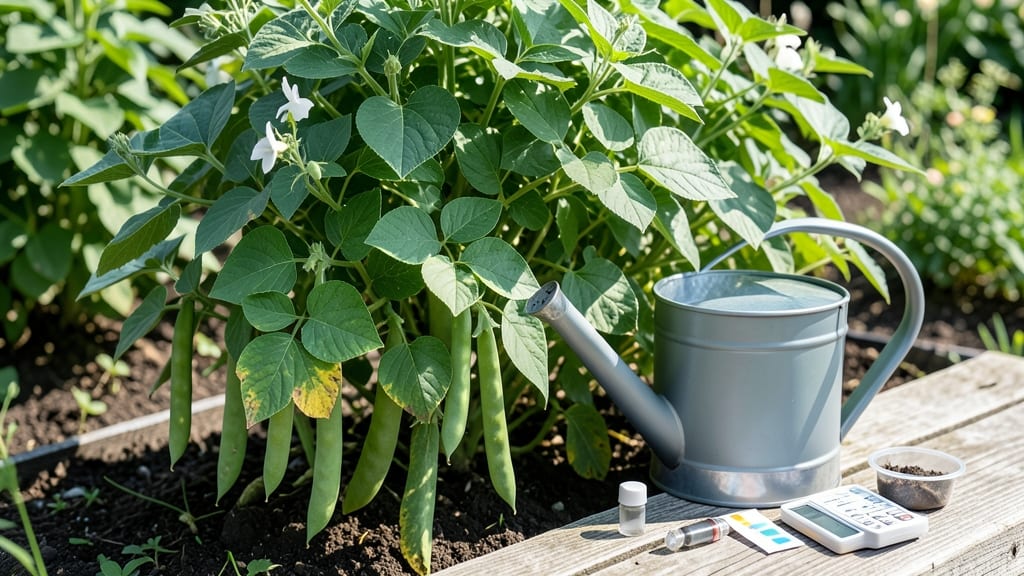
Your green beans turning yellow means it's time to act fast—this isn't normal aging, it's a distress signal from your plants. 🌱 I've seen this happen after just one too-wet week, and the good news is that the fix is often simpler than you think, whether it's water, soil, or something sneaking around your plants.
The most common culprits are overwatering (which drowns roots and blocks nutrients) or nutrient deficiencies like nitrogen or magnesium (think of it as your beans starving).
Pests like spider mites or diseases like bacterial blight can also turn leaves yellow overnight—check the undersides of leaves for tiny webs or dark spots. The key is to rule out one issue at a time.
Start by adjusting your watering—beans need about 1 inch per week, and soggy soil is a fast track to yellowing. Then test your soil pH (aim for 6.0-7.0) and add compost or a balanced fertilizer if the leaves look pale or stunted.
For pests, a strong spray of water usually does the trick, but severe cases might need neem oil.
With these quick fixes, you'll see fresh green leaves within 3-5 days—and if you catch it early, you can save your harvest. The best part? Prevention is easy once you know what to watch for. Let's get those beans back to their vibrant best.
Root Causes Of Bean Discoloration
When your once-vibrant green beans start turning yellow, it’s usually a sign that something’s off—whether it’s a nutrient deficiency, environmental stress, or even a sneaky pest attack. Understanding the why behind the discoloration is the first step to saving your harvest.
Below, we break down the most common culprits, backed by science, so you can diagnose the issue fast and take action.
Green beans are heavy feeders, and when they don’t get the right nutrients, their leaves and pods start to yellow as a distress signal. Here’s what to watch for:
- Nitrogen Shortage 💡
Nitrogen is the building block of chlorophyll—the pigment that keeps beans green. Without enough, leaves turn pale yellow (a condition called chlorosis), starting from the older leaves and moving upward. This often happens in poor soil or when beans are overcrowded, competing for nutrients.
Test it: Gently tug on the plant. If soil clumps easily, it’s likely nitrogen-deficient.
- Magnesium Deficiency 🌡️
Magnesium is crucial for chlorophyll production. A deficiency causes interveinal yellowing—where the tissue between veins turns yellow while the veins stay green. This often appears in cooler soils or when soil pH is too high (alkaline).
Test it: Check the younger leaves first. If they’re yellowing, magnesium is likely the issue.
- Iron or Zinc Deficits ⚡
These micronutrients are vital for chlorophyll synthesis. Yellowing (often with brown spots) on new growth suggests iron deficiency, while zinc deficiency causes stunted growth and yellowing between veins. Common in alkaline soils where nutrients become less available.
Test it: Scratch the soil—if it’s dry and compacted, roots can’t absorb nutrients efficiently.
Water stress is a top reason for yellowing beans. Unlike wilting (which is obvious), yellowing can be a subtle sign of hydration issues. Here’s how to spot it:
- Overwatering 🌧️
Too much water drowns roots, cutting off oxygen and causing root rot. This leads to yellowing leaves, wilting, and a mushy stem. Overwatering is common in containers without drainage or heavy clay soils.
Test it: Stick your finger 1–2 inches into the soil. If it’s soggy, cut back on watering.
- Underwatering 🏜️
Drought stress forces beans to conserve water, causing leaves to curl and yellow at the edges. The plant prioritizes water for pods, leaving foliage to suffer. This is common in sandy or fast-draining soils.
Test it: Lift the plant gently. If the soil is bone-dry, it’s time to water deeply.
- Inconsistent Watering 🔄
Fluctuating moisture levels (e.g., drought followed by a sudden downpour) shock the plant, leading to uneven yellowing. Beans thrive on consistent moisture—aim for 1–1.5 inches of water per week.
Green beans are sensitive to extreme conditions. When temperatures or light levels swing outside their comfort zone, yellowing is a common response.
- Excessive Heat 🔥
Beans prefer 60–80°F (15–27°C) during the day. Above 90°F (32°C), they stop photosynthesizing efficiently, leading to yellowing leaves and blossom drop. Heat stress is worse in low-humidity areas or when plants are overcrowded (reducing airflow).
Test it: Check for scorched leaf edges or leaves that feel crispy to the touch.
- Cold Snaps ❄️
Temperatures below 50°F (10°C) at night can stunt growth and cause yellowing between veins. Cold stress is common in early spring or fall plantings or high-altitude gardens.
Test it: Look for purple tinges on younger leaves—a sign of cold damage.
- Too Much Sun ☀️💥
While beans need sunlight, intense afternoon sun (especially in hot climates) can bleach leaves, causing yellowing. This is common in southern gardens or when plants are transplanted too late.
Test it: Observe if yellowing happens on exposed leaves first.
Not all yellowing is due to care mistakes—sometimes, it’s an invisible invader at work. Here’s how to spot the culprits:
- Spider Mites 🕷️
These tiny pests suck sap, causing yellow stippling (tiny yellow dots) on leaves. Heavy infestations lead to bronzing (a yellow-brown color) and webbing. They thrive in dry, hot conditions.
Test it: Hold a white sheet under the plant and shake it. Moving dots = mites.
- Aphids 🐜
These sap-sucking insects cluster on new growth, causing leaves to curl and yellow. They excrete sticky honeydew, which attracts sooty mold (a black fungal growth).
Test it: Check the undersides of leaves for tiny green/black bugs.
- Fungal Infections 🍄
Diseases like alternaria leaf spot or powdery mildew cause yellow patches with dark spots or white powdery coatings. These thrive in humid, poorly ventilated conditions.
Test it: Look for spots with halos or fuzzy growth on leaves.
Now that you know the why, the next step is fixing it—stay tuned for actionable solutions to restore your beans’ vibrant green glow! 🌿✨
Fix your yellowing green beans fast
---
If your once-vibrant green beans are turning yellow, don’t panic—there’s a solution for every cause! Below, we’ll break down the most common reasons and give you easy, actionable fixes to restore their crisp, bright green color. Plus, we’ll share prevention tips to keep your beans looking fresh for longer.
---
Yellowing leaves or stems often signal root rot from soggy soil. Too much water cuts off oxygen, causing roots to suffocate and beans to turn yellow.
#### How to Fix It: 💧 Step 1: Check the Soil Moisture - Stick your finger 1–2 inches into the soil. If it’s damp, wait to water. - If the soil feels muddy or smells sour, your beans are drowning.
🌱 Step 2: Improve Drainage - Move potted beans to a well-draining container with holes. - For garden beds, amend soil with compost or perlite to loosen it.
💦 Step 3: Adjust Watering Habits - Water only when the top inch of soil is dry. - Water at the base of plants, not overhead, to prevent fungal issues.
💡 Prevention Tip: Use a moisture meter or the "squeeze test"—if soil clumps when pressed, it’s too wet!
---
Scorching sunlight or extreme heat can cause yellowing, especially in thin-skinned varieties. Look for crispy edges or bleached leaves—this is your plant’s way of saying, "I need shade!"
#### How to Fix It: 🌿 Step 1: Provide Afternoon Shade - Use a lightweight shade cloth (30–50%) if temps exceed 90°F (32°C). - Plant near taller crops (like corn or sunflowers) for natural shade.
💧 Step 2: Boost Hydration - Water deeply in the early morning to reduce evaporation. - Mulch with straw or grass clippings to retain moisture.
🌡️ Prevention Tip: Choose heat-tolerant varieties like ‘Contender’ or ‘Blue Lake’ if you live in a hot climate.
---
Yellow spots, mushy stems, or powdery residue? Fungal diseases (like downy mildew) or bacterial infections (such as halo blight) can turn beans yellow. These spread fast in humid, crowded conditions.
#### How to Fix It: 🧴 Step 1: Identify the Problem - Fungal? Look for white/purple fuzz on leaves. - Bacterial? Check for water-soaked yellow spots with brown edges.
🚫 Step 2: Remove Infected Plants - Pull and dispose of affected plants immediately (don’t compost them!). - Sterilize tools with 70% rubbing alcohol between uses.
🌿 Step 3: Treat with Natural Fungicides - Spray leaves with a baking soda mix (1 tsp baking soda + 1 quart water + a drop of dish soap). - For bacterial issues, use copper fungicide (follow label instructions).
💡 Prevention Tip: Space plants 18–24 inches apart for airflow and avoid overhead watering.
---
Yellowing can start between leaf veins (chlorosis) if your beans lack key nutrients. Soil tests reveal the truth—but here’s a quick fix guide!
#### How to Fix It:
📊 Step 1: Diagnose the Deficiency
Symptom
Likely Cause
Quick Fix
Yellowing older leaves (brown veins)
Nitrogen deficiency
Add compost or blood meal around the base.
Yellowing young leaves (pale green)
Magnesium or iron deficiency
Apply Epsom salt (1 tbsp/gallon water) or iron chelate.
Yellowing between veins (veins stay green)
Chlorosis (often iron/manganese)
Lower soil pH with sulfur or vinegar (1 cup vinegar/gal water).
💡 Prevention Tip: Test soil before planting—aim for a pH of 6.0–7.0 for beans.
---
Chewed leaves, holes, or wilting? Pests like aphids, spider mites, or cutworms can stress beans into turning yellow.
#### How to Fix It: 🐜 Step 1: Inspect for Pests - Check the undersides of leaves for tiny bugs or webs. - Look for missing leaf chunks (cutworm damage).
💦 Step 2: Blast Them Away - Aphids/Mites: Spray with soapy water (1 tsp mild soap/quart water). - Cutworms: Handpick at night (they’re most active then) or use diatomaceous earth around stems.
🌿 Step 3: Attract Beneficial Bugs - Plant marigolds or basil nearby to repel pests. - Invite ladybugs or praying mantises with native plants.
💡 Prevention Tip: Use row covers early in the season to block pests.
---
With these fixes, your green beans should bounce back to their bright, crunchy best in no time! Remember: consistency is key—whether it’s watering, fertilizing, or pest control. Happy gardening! 🌱✨
Frequently asked questions
Why are my green beans turning yellow only on the older leaves?
This is usually a sign of nitrogen deficiency, where your beans can't produce enough chlorophyll to keep leaves green. Nitrogen is essential for leaf growth, and older leaves show symptoms first since the plant redirects nutrients to new growth. Try adding compost or a balanced organic fertilizer around the base of your plants.
Can yellowing green beans still be safe to eat?
While the leaves may be affected, the pods themselves are often still safe to harvest if only the leaves are yellowing. However, if the yellowing is caused by disease (like bacterial blight) or chemical damage, it's best to remove the affected plant entirely. Always wash your beans thoroughly before eating, regardless of leaf condition.
How quickly should I expect to see improvement after fixing the problem?
With proper care, you should see noticeable improvement in 3-5 days. New growth should return to vibrant green within a week if you've addressed the root cause (watering, nutrients, or pests). For severe cases like root rot or advanced disease, recovery may take longer, or you might need to replace the affected plants.
Is there a difference between yellowing from overwatering vs. underwatering?
Yes! Overwatered beans show yellowing with wilting and a mushy stem (root rot), while underwatered beans have yellowing at leaf edges with crispy texture. Check soil moisture by sticking your finger 1-2 inches deep - if it's soggy, you're overwatering; if bone-dry, you need more water. Aim for 1-1.5 inches per week.
Can I save my green beans if they're already mostly yellow?
It depends on the cause! If it's a nutrient deficiency or water issue, you can often recover the plant. However, if yellowing is from disease or severe pest damage, the plant may not recover enough to produce quality pods. For partial yellowing, focus on fixing the issue and harvesting any unaffected pods immediately.