
Planting
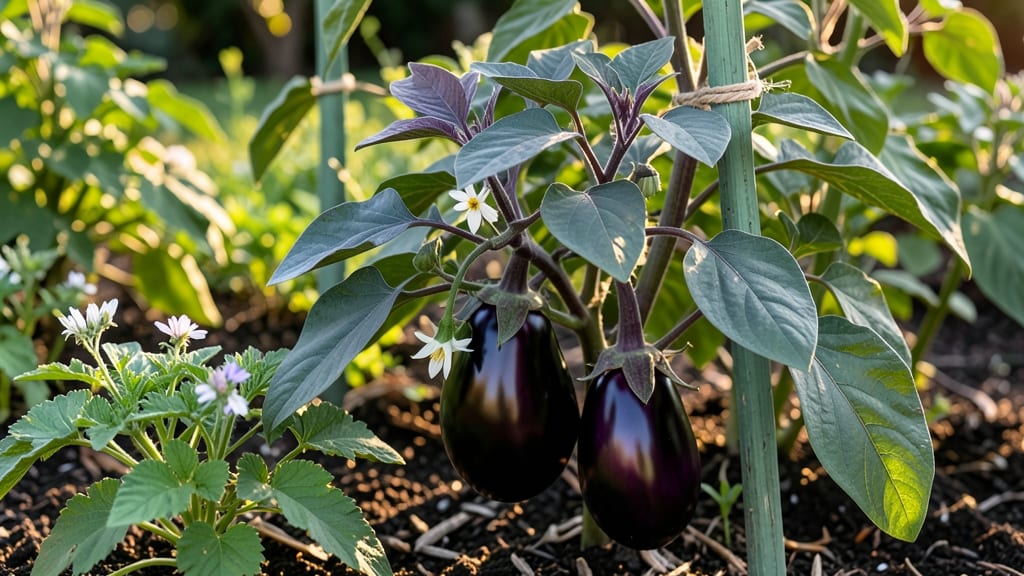
Planting beans, greens, potatoes, and tomatoes together isn’t just smart—it’s a game-changer for small gardens. 🌱 I’ve packed four crops into my 4x8-foot raised bed, and the yields are shockingly higher than when I planted them separately.
The secret? Their natural partnerships: beans fix nitrogen for the heavy feeders, greens shade potato sprouts, and tomatoes keep pests off the beans.
You’ll need well-draining soil with plenty of compost (no sandy or clay-heavy ground here), a sunny spot with 6+ hours of direct light, and basic tools: a trowel, stakes for tomatoes, and row covers for greens.
Start potatoes early indoors or in cold frames, then transplant after the last frost. Beans and greens can go in as soon as the soil warms to 50°F, while tomatoes need nighttime temps above 55°F.
By midsummer, you’ll harvest bush beans every 2 weeks, tender greens straight from the garden, crisp potatoes, and tomatoes that taste like summer. The key is spacing: potatoes need 12 inches apart, beans 4 inches, greens 6 inches, and tomatoes 18-24 inches (depending on variety).
Mulch heavily to retain moisture and suppress weeds—this combo thrives with consistency.
This setup works in containers too (just scale down), and the same principles apply whether you’re in Zone 5 or 9. The biggest mistake? Overcrowding—stick to the spacing, and you’ll avoid competition for nutrients. Ready to transform a small plot into a high-yield powerhouse?
📚 In This Guide
- What you need
- Instructions
- Tips and common mistakes
- Wrapping up and next steps
What you need
- ● Seeds or Seedlings: 1 lb pole or bush beans (e.g., Blue Lake, Romano, or Kentucky Wonder)
- ● 1 lb leafy greens (e.g., kale, Swiss chard, or spinach)
- ● 5 lbs potato seed potatoes (certified disease-free, like Yukon Gold or Red Pontiac)
- ● 1 lb tomato seeds or seedlings (e.g., Roma, Cherry, or Early Girl)
- ● Soil: 2 cubic yards well-draining, compost-rich soil (pH 6.0–7.0)
- ● 10 lbs balanced organic fertilizer (5-5-5 or similar)
- ● Garden Space: 10 ft × 10 ft raised bed or in-ground plot (or 3–4 individual 3 ft × 6 ft beds)
- ● Watering Supplies: Hose with adjustable nozzle or watering can (1–2 gallons capacity)
- ● Basic Tools: Garden trowel
- ● Pruning shears
- ○ Gloves (optional but recommended!)
- ○ Optional Upgrades: Mulch (straw or shredded leaves, 2–3 inches)
- ● Row covers or shade cloth (for greens)
- ● Trellis or stakes (for beans and tomatoes)
- ● pH testing kit (to monitor soil health)
- ● Prerequisites: Sunny location (6–8+ hours of sunlight daily)
- ● Knowledge of your last frost date (for planting timing)
Step-by-step companion planting for beans, greens, potatoes, and tomatoes
Here’s how to arrange these four crops together for healthier plants and higher yields.
🌱 Step 1: Plan Your Layout for Optimal Growth
Start by sketching a rough map of your garden bed. Place potatoes along the north side of the plot to avoid shading other crops. They need 6-12 inches of space between tubers, so plan accordingly. Next, add beans—they’re nitrogen-fixers, so position them 3-4 feet from tomatoes to prevent competition for nutrients.
Greens like lettuce or spinach thrive in the partial shade cast by taller plants, so tuck them along the east or west edges of the bed. This placement ensures they get 4-6 hours of sunlight while benefiting from the beans’ nitrogen-rich soil. Avoid planting beans directly next to potatoes, as they can stunt each other’s growth.
☀️ Step 2: Prepare the Soil for Nutrient Balance
Test your soil’s pH—these crops prefer a range of 6.0-7.0. Amend the soil with 2-3 inches of compost before planting, focusing on the areas where beans and greens will grow. Beans will later enrich the soil, but greens need a nutrient boost upfront. Mix in 1 tablespoon of bone meal per square foot to support early root development in potatoes and tomatoes.
Potatoes and tomatoes are heavy feeders, so add 1 cup of balanced 10-10-10 fertilizer per plant at planting time. Work it into the top 6 inches of soil to avoid burning roots. Avoid over-fertilizing beans—they fix their own nitrogen. Instead, focus on loose, well-draining soil to encourage deep root systems in all four crops.
🌿 Step 3: Plant in Staggered Rows for Efficient Space
Begin by planting potatoes first, spacing them 12 inches apart in rows 3 feet apart. This gives their vines room to sprawl without crowding. After 4-6 weeks, when potato plants reach 6 inches tall, add tomatoes to the same rows but 18 inches apart. Their vertical growth won’t compete with the potatoes’ early foliage.
Plant beans next, using 4-inch-deep holes spaced 4-6 inches apart in rows 18 inches apart. Their nitrogen-fixing roots will benefit the soil for greens planted later. Finally, sow greens like lettuce or spinach 1 inch deep in shallow furrows between the rows of beans and potatoes. Thin seedlings to 6 inches apart once they develop 2-3 true leaves.
💧 Step 4: Water and Mulch for Consistent Moisture
Water deeply once a week, aiming for 1-2 inches of moisture per week. Potatoes and tomatoes need consistent moisture, so mulch them with 2-3 inches of straw to retain soil moisture and suppress weeds. Avoid mulching beans too heavily—they prefer slightly drier conditions to prevent root rot.
Greens require even moisture to prevent bolting, so water them every 2-3 days during dry spells. Use a soaker hose to deliver water directly to the soil, avoiding wetting the leaves of greens and tomatoes to reduce disease risk. Check soil moisture by pressing your finger 1 inch deep—if it feels dry, it’s time to water.
✂️ Step 5: Prune and Harvest Strategically
As beans mature, prune any yellowing or diseased leaves immediately to redirect energy to pod production. Harvest beans every 2-3 days once pods form to encourage continuous flowering. For potatoes, hill soil around stems when plants reach 6 inches tall, repeating every 2-3 weeks to prevent greening and increase tuber yield.
Greens are ready to harvest when leaves reach 3-4 inches tall. Pick outer leaves first to allow inner growth. For tomatoes, prune suckers (the small shoots in the leaf axils) to focus energy on fruit production. Harvest tomatoes when they’re fully colored and slightly soft to the touch. This staggered harvesting keeps the garden productive and prevents overcrowding.
Tips & tricks for perfect companion planting with beans, greens, potatoes, and tomatoes
Between us, these four crops work together like a well-orchestrated garden symphony—when you know the right moves. Here's how to make the most of their natural partnerships.
The Shade Strategy: Greens like lettuce and spinach thrive in the partial shade created by taller plants, but they still need 4-6 hours of sunlight daily. Position them along the east or west edges of your bed where they'll catch morning or afternoon sun while benefiting from the nitrogen-rich soil created by beans. If you notice greens bolting (sending up flower stalks), they're getting too much direct sun—try moving them slightly deeper into the bed.
Nitrogen Fixing Timing: Beans are the unsung heroes of this planting scheme, but their magic only works if they're planted at the right time. Add them to the garden 4-6 weeks after potatoes when the potato plants reach 6 inches tall. This staggered planting ensures the beans have enough nitrogen to fix while the potatoes are still establishing their roots. I've seen gardens where beans were planted too early, and the potatoes ended up stunted from competition.
Soil Prep for Heavy Feeders: Potatoes and tomatoes are heavy feeders, so focus your soil amendments in their planting areas. The 1 cup of 10-10-10 fertilizer per plant should be worked into the top 6 inches of soil to avoid root burn. I've learned the hard way that mixing fertilizer too deeply can actually prevent roots from reaching it. For beans, skip the extra nitrogen—they'll fix their own, but they do appreciate loose, well-draining soil for their deep root systems.
Watering Wisdom: The 1-2 inches of weekly moisture recommendation is a great starting point, but don't rely solely on the calendar. Check soil moisture by pressing your finger 1 inch deep—if it feels dry, that's your cue to water. Greens are particularly sensitive to moisture fluctuations, so during dry spells, increase watering to every 2-3 days. I've found that using a soaker hose in the morning prevents fungal issues that can come from evening watering.
Pro Tips for Beans Greens Potatoes Tomatoes
- Between us, these four crops work together like a well-orchestrated garden symphony—when you know the right moves. He...
- The Shade Strategy: Greens like lettuce and spinach thrive in the partial shade created by taller plants, but they st...
- Nitrogen Fixing Timing: Beans are the unsung heroes of this planting scheme, but their magic only works if they're pl...
Frequently asked questions
Got questions about growing beans, greens, potatoes, and tomatoes together? You’re not alone! This powerhouse combo is a gardener’s dream, but timing, spacing, and troubleshooting can still trip you up. Below, we’ve answered the most common questions to help you plant with confidence—and avoid common pitfalls.
Can I plant beans, greens, potatoes, and tomatoes together in the same bed?
This four-crop combo is a classic example of companion planting because they support each other. Beans fix nitrogen (great for greens and tomatoes), potatoes deter pests (like aphids), and greens shade the soil to keep potatoes moist. Just avoid planting them too close—give potatoes and tomatoes at least 12–18 inches of space and beans/greens 6–12 inches apart.
What’s the best planting schedule for these crops?
Timing is key! Start with potatoes (plant seeds 2–3 weeks before your last frost) and beans (after soil warms to 60°F). Greens (like spinach or kale) can go in early spring or late summer for a fall harvest. Tomatoes love warmth—plant them 2–3 weeks after the last frost (or use cold frames for earlier starts). Succession plant beans and greens every 2–3 weeks for continuous harvests!
Will planting these together attract pests or diseases?
Not if you plan smart! This combo reduces pests naturally—beans repel Mexican bean beetles near tomatoes, while potatoes deter Colorado potato beetles near beans. However, blight risks (especially for tomatoes and potatoes) can increase if they’re too close. Space them properly, rotate crops yearly, and avoid overhead watering to keep foliage dry. If pests appear, try neem oil or introduce ladybugs for greens!
Can I grow potatoes and tomatoes together without competition?
Yes! Potatoes and tomatoes are heavy feeders, but they won’t directly compete if you give them enough space. Use raised beds or hills to separate them—plant potatoes in trenches and tomatoes in mounds. Add compost or aged manure to the soil before planting to ensure both get nutrients. If space is tight, prioritize tomatoes (they’re slower to mature) and harvest potatoes early!
What can I plant instead of greens if they’re not thriving?
If greens struggle (due to heat or pests), swap them for bush beans, lettuce, or radishes. These are fast-growing, low-maintenance alternatives that still benefit from the nitrogen beans provide. For a longer harvest, try swiss chard or arugula—they’re more heat-tolerant than spinach. Just avoid cabbage-family plants (like broccoli) near tomatoes, as they can attract similar pests.
Pro Tip Table: Quick Fixes for Common Issues
| Problem | Solution |
|---|---|
| Tomatoes wilting in hot weather | Mulch heavily with straw and water deeply at the base early in the morning. |
| Potatoes withering or turning green | Hill soil around stems (leave top 2 inches exposed) and avoid sunlight on tubers. |
| Beans flowering but no pods | Ensure consistent moisture (drought stress causes this!) and add a light fish emulsion for a nutrient boost. |
| Greens bolting (going to seed) too fast | Harvest outer leaves often and provide partial shade in peak summer. |
Wrapping up and next steps
Incorporating beans, greens, potatoes, and tomatoes into your garden isn’t just smart—it’s a game-changer! 🌱 These four crops thrive together, boosting yields, deterring pests, and saving space. Whether you’re a seasoned gardener or just starting, this companion planting combo makes growing easier and more rewarding.
Ready to grow your harvest? Start small—try a patch of these crops together this season and watch the magic happen. Happy planting! 🌿