
Diseases
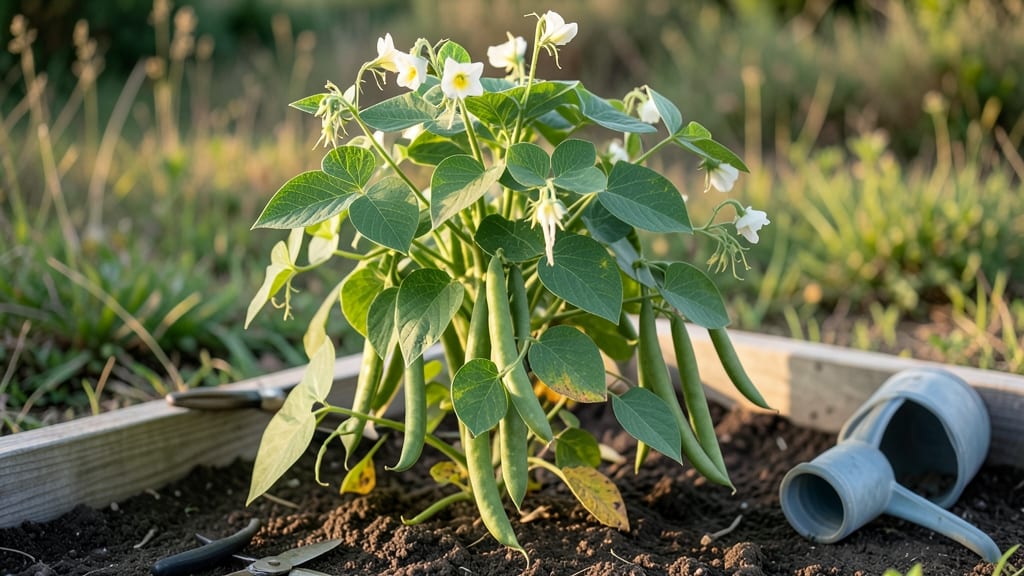
Your bean plants’ yellow leaves aren’t a death sentence—they’re a signal. 🌱 The most common culprits are overwatering, nutrient deficiencies, or fungal infections, but a simple vinegar soak can often reverse the damage before it spreads.
I’ve saved dozens of struggling plants using this method, and it works just as well for bush beans as it does for pole varieties.
The fix starts with identifying the root cause: check soil moisture, inspect leaves for spots or pests, and test for nutrient imbalances. Overwatered plants need better drainage, while nutrient issues respond to balanced fertilizer or compost.
If fungal disease is the issue, a 1:10 vinegar-to-water soak (applied every 7-10 days) disrupts spores without harming the plant.
Within 2-3 weeks, you’ll see new growth pushing through with vibrant green leaves—no more patchy yellowing. The key is acting fast: the longer you wait, the harder it is for the plant to recover. This method also strengthens future resistance to stress, so your beans stay lush all season.
Works for both garden beds and containers, and the same principles apply to other legumes like peas or lentils. Let’s get those leaves turning green again—permanently.
Root Causes Of Yellowing Bean Leaves
When your bean plants start showing yellow leaves, it’s often a cry for help from the roots—or even the soil itself. Understanding the why behind the discoloration is the first step to saving your crop.
Below, we break down the most common culprits, backed by science, so you can diagnose the problem like a pro.
Beans thrive in well-drained soil, but too much water—or soil that doesn’t drain properly—can suffocate their roots. When roots sit in soggy conditions, they struggle to absorb oxygen, leading to chlorosis (yellowing) as the plant can’t process nutrients efficiently.
Why it happens:
- Oxygen deprivation: Waterlogged soil displaces air in the root zone, triggering anaerobic conditions. Roots can’t respire properly, and cells start dying.
- Nutrient lockout: Excess water leaches essential minerals (like nitrogen, iron, and magnesium) from the soil, even if they’re present.
- Fungal infections: Stagnant water invites pathogens like Pythium or Phytophthora, which rot roots and block nutrient uptake.
Actionable clue: Check the soil—if it stays muddy for days after watering, drainage is the issue. Yellowing often starts on older leaves first, as the plant prioritizes new growth.
Yellow leaves can signal a hunger strike, particularly for nutrients critical to chlorophyll production. Beans are heavy feeders, and deficiencies show up fast.
Why it happens:
- Nitrogen (N) deficiency: Leads to general yellowing (uniform chlorosis) because nitrogen is a chlorophyll building block. New leaves may appear stunted or pale.
- Magnesium (Mg) deficiency: Causes interveinal yellowing (veins stay green, areas between turn yellow) because magnesium is central to chlorophyll’s structure. Older leaves suffer first since the plant redistributes Mg to younger tissue.
- Iron (Fe) or manganese (Mn) issues: Often in alkaline soils, these micronutrients become unavailable, causing young leaves to yellow (unlike Mg, which hits older leaves).
Soil test tip: If your soil pH is above 7.0, iron and manganese deficiencies are likely. A simple at-home test kit can confirm.
Diseases like bean rust, bacterial blight, or powdery mildew can turn leaves yellow—and sometimes brown or spotted—as they disrupt the plant’s ability to photosynthesize.
Why it happens:
- Pathogen blockage: Fungi like Uromyces appendiculatus (rust) clog leaf stomata, preventing gas exchange and nutrient transport.
- Toxin release: Bacteria such as Xanthomonas campestris secrete compounds that break down leaf tissue, causing yellowing and necrosis.
- Stress response: Infected plants often drop chlorophyll as a defense mechanism, accelerating yellowing.
Visual red flags: Look for puffy orange spots (rust), water-soaked lesions (bacterial blight), or white powdery coatings (mildew) on undersides of leaves.
Beans are sensitive to temperature swings. Too much heat or a sudden frost can shock the plant, causing chlorophyll to degrade rapidly.
Why it happens:
- Heat stress: Temperatures above 90°F (32°C) denature enzymes involved in photosynthesis, leading to bleached or scorched yellowing, especially on young leaves.
- Cold damage: Frosts below 32°F (0°C) rupture cell membranes, causing brown/yellow patches and wilting. Older leaves may die back first.
- Sunburn: Intense afternoon sun on heat-stressed plants accelerates chlorophyll breakdown.
Pro tip: If yellowing follows a heatwave or frost, check for crispy edges (heat) or blackened veins (cold). Mulch helps moderate soil temps!
Pests like aphids, spider mites, or whiteflies drain plant sap, starving leaves of vital nutrients and causing yellowing.
Why it happens:
- Nutrient theft: Sap-suckers remove sugars and amino acids, leaving leaves malnourished and yellow.
- Toxin injection: Some pests (like aphids) inject saliva that disrupts plant hormones, accelerating chlorosis.
- Secondary infections: Honeydew (sticky residue from pests) fosters sooty mold, blocking sunlight and worsening yellowing.
Tell-tale signs: Sticky leaves, tiny webs (mites), or curled, stunted growth. Tap leaves over a white sheet—pests will scatter!
Revive Your Beans with These Fixes
Yellow leaves on your beans can be frustrating, but with the right approach, you can nurse them back to health—sometimes even saving the plant entirely! Below are practical, step-by-step solutions tailored to the most common causes of yellowing leaves, along with prevention tips to keep your beans thriving long-term.
If your beans’ leaves are yellowing due to soggy roots or waterlogged soil, act fast to prevent root rot.
How to Fix It:
- 🚰 Stop Watering Immediately Let the soil dry out completely before watering again. Stick your finger 1-2 inches deep—if it’s damp, wait another day.
- 🔥 Improve Drainage
- Move potted beans to a well-draining container with drainage holes.
- For in-ground plants, amend the soil with perlite, sand, or compost to loosen compacted earth.
- If roots are mushy or black, prune them with sterilized scissors and repot in fresh, dry soil.
- ☀️ Adjust Watering Habits
- Water only when the top inch of soil is dry (usually 2-3 times per week, depending on climate).
- Water deeply but less frequently—shallow puddles encourage rot.
💡 Prevention Tip: Use a moisture meter or terracotta pot (they dry out faster) to monitor soil moisture. Mulch with straw to retain moisture without suffocating roots.
Crispy, yellowing leaves often signal thirsty plants or heat stress, especially in hot climates.
How to Fix It:
- 💦 Water Deeply & Frequently
- Give beans 1-2 inches of water per week, either from rainfall or manual watering.
- Water early in the morning to reduce evaporation.
- 🌿 Provide Shade (If Needed)
- If leaves are curling or scorched, move potted beans to partial shade (4-6 hours of sun max).
- Use a light shade cloth (30-50%) for in-ground plants during peak heat (10 AM–4 PM).
- 🌡️ Boost Humidity (For Container Plants)
- Place a tray of pebbles + water near the pot or mist leaves daily (avoid wetting flowers).
- Group plants together to create a microclimate.
💡 Prevention Tip:
- Mulch heavily (2-3 inches of straw or wood chips) to retain soil moisture.
- Choose heat-tolerant varieties like ‘Contender’ or ‘Blue Lake’ if you live in a hot zone.
Yellow spots, white powder, or orange rust on leaves? Fungal infections thrive in humid, stagnant conditions.
How to Fix It:
- 🧼 Remove Infected Leaves
- Snip off yellow or spotted leaves with sterilized pruners (rub with rubbing alcohol).
- Dispose of them in the trash (not compost)—fungi spread easily.
- 🌿 Improve Airflow
- Space plants 12-18 inches apart (beans love room to breathe).
- Prune nearby foliage to reduce humidity around the plant.
- 💊 Apply Fungicide - Baking soda spray: Mix 1 tsp baking soda + 1 tbsp oil + 1 tsp soap per quart of water.
Spray every 7-10 days. - Neem oil (1 tsp per liter of water + a drop of soap) prevents spores from germinating. - For severe cases, use copper fungicide (follow label instructions).
💡 Prevention Tip:
- Water at the base (avoid wetting leaves) and water early so foliage dries by night.
- Rotate crops—don’t plant beans in the same spot yearly (fungi linger in soil).
Pale yellow leaves (especially older leaves) often mean nutrient starvation.
How to Fix It:
- 🍂 Test Your Soil
- Use a DIY soil test kit (available at garden centers) or send a sample to a local extension office.
- Common deficiencies in beans:
- Nitrogen (yellow all over): Use blood meal or compost tea.
- Magnesium (yellow between veins): Sprinkle Epsom salt (1 tbsp per gallon of water, spray on leaves).
- Iron (yellow new growth): Apply chelated iron or fish emulsion.
- 🌿 Fertilize Correctly
- Avoid high-nitrogen fertilizers (like lawn food)—beans are legumes and fix their own nitrogen!
- Use a balanced 5-10-10 fertilizer or organic options like:
- Worm castings (gentle, nutrient-rich)
- Banana peels (for potassium, buried near roots)
- 🌱 Boost Microbes
- Mycorrhizal fungi (available in powder form) help roots absorb nutrients.
- Compost tea (steep compost in water for 24 hours, strain, and water plants).
💡 Prevention Tip:
- Plant beans with companion plants like clover or alfalfa to naturally enrich soil.
- Avoid over-fertilizing—beans prefer moderate nutrition, not a heavy hand.
Tiny pests suck sap, causing leaves to yellow, curl, or develop sticky residue (honeydew).
How to Fix It:
- 🕵️♂️ Inspect Leaves
- Check undersides of leaves for aphids (green/black bugs) or spider mites (tiny webs).
- 💦 Blast Them Off
- Strong spray of water (disrupts their life cycle).
- Insecticidal soap (1 tsp mild soap + 1 quart water, spray every 3-4 days).
- 🌿 Introduce Predators
- Ladybugs or lacewings eat aphids naturally (buy from garden centers).
- Neem oil (also deters mites—spray weekly until pests are gone).
💡 Prevention Tip:
- Encourage beneficial insects by planting marigolds, dill, or basil nearby.
- Sticky traps (yellow cards) catch flying pests before they attack.
No matter the issue, these quick fixes can help your beans bounce back:
- 🍃 Trim damaged leaves to redirect energy to healthy growth.
- 🌞 Ensure 6-8 hours of sunlight (beans need light to photosynthesize).
- 🌡️ Avoid temperature swings—beans prefer 60-80°F (15-27°C).
- 💧 Vinegar soak (for wilted leaves): Soak roots in 1:4 vinegar-to-water solution for 10 minutes (helps with fungal/bacterial stress—rinse after!).
🎯 Final Pro Tip: If your beans are past saving, don’t waste time—pull and compost (if disease-free) and start fresh with healthy seedlings. Prevention is always easier than a cure!
Frequently asked questions about bean leaf yellowing
Why do older leaves turn yellow first?
Beans prioritize new growth, so when nutrients are scarce, they redistribute what’s available to younger leaves. Older leaves often yellow first because the plant can’t sustain their chlorophyll production. This is normal if the rest of the plant looks healthy—just a sign your beans are conserving resources!
Is yellowing always a bad sign?
Not necessarily! Mild, uniform yellowing on older leaves can be normal as the plant matures. However, if yellowing spreads to new growth, appears patchy, or is accompanied by wilting, spots, or stunted pods, it’s time to investigate. Quick action prevents permanent damage.
How can I tell if my beans need more water or less?
Check the soil moisture: stick your finger 1-2 inches deep. If it’s damp, you’re overwatering—roots need air! If it’s bone dry, water deeply until it drains from the bottom. Yellowing with crispy edges? Too little water. Yellowing with mushy stems? Too much.
Will Epsom salt really fix yellow leaves?
Only if magnesium deficiency is the issue! Mix 1 tablespoon Epsom salt per gallon of water and spray on leaves (avoid flowers). It works best when applied in the morning on dry foliage. For other nutrient issues, test your soil first—Epsom salt won’t help with iron or nitrogen problems.
Can I still harvest beans with yellow leaves?
Yes, but focus on pods from healthy branches. Yellow leaves reduce the plant’s energy, so harvest frequently to encourage new growth. If most leaves are yellow and the plant looks weak, it’s better to pull it and save energy for a new crop.