
Vegetables
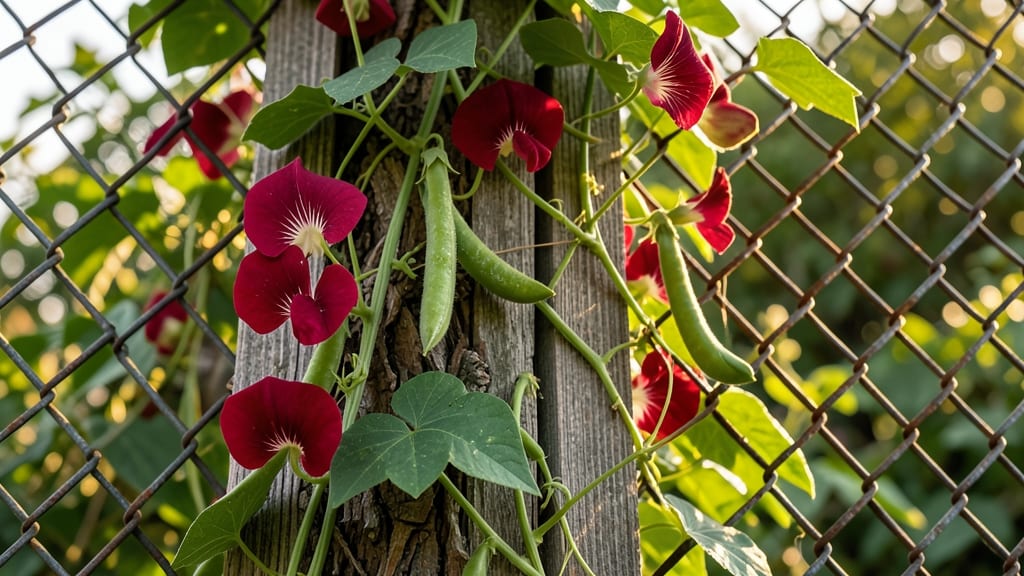
Looking to grow your own protein-rich food in limited space? These 10 high-yield dry bean varieties thrive in small gardens, containers, and even urban plots while delivering impressive harvests and unique flavors.
Pinto Beans for Hearty Stews and Soups
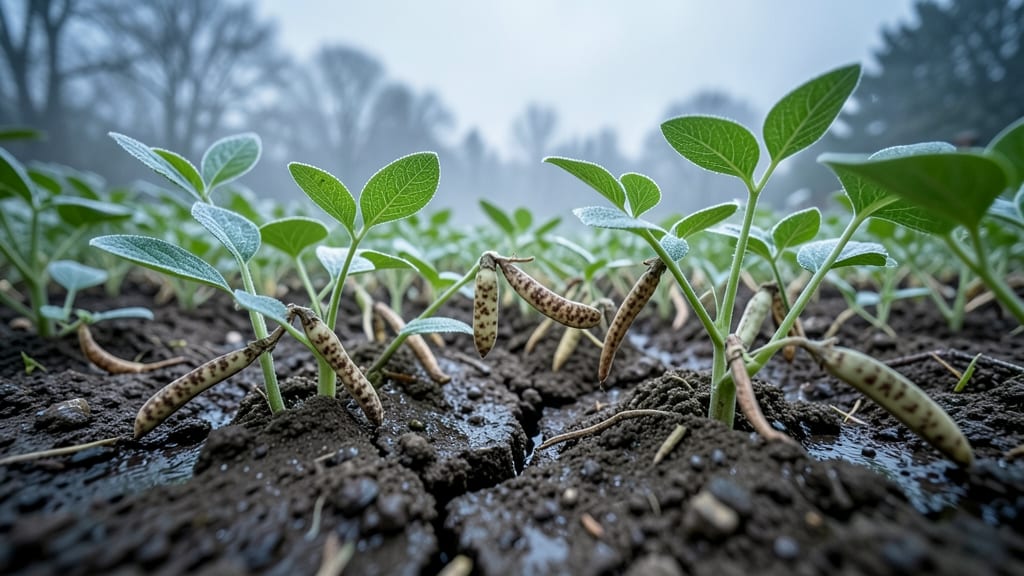
If you live in a northern climate where cool nights linger, pinto beans are your secret weapon for a reliable bean harvest. Unlike heat-loving varieties, these cold-hardy beans thrive in temperatures as low as 50°F, making them perfect for early spring or late fall plantings.
Plant seeds 1 inch deep and 2-3 inches apart in well-draining soil with full sun to part shade. They mature in 80-90 days, producing pods that dry beautifully for long-term storage—ideal for canning or meal prep. The beans' speckled pattern emerges only after drying, adding a rustic charm to your pantry staples.
Gardeners in cooler regions will love how pinto beans resist frost better than most, and their long shelf life means you can stock up for winter. Perfect for beginners or those prioritizing food security! 🌱
Black Turtle Beans for Nutrient-Dense Harvests
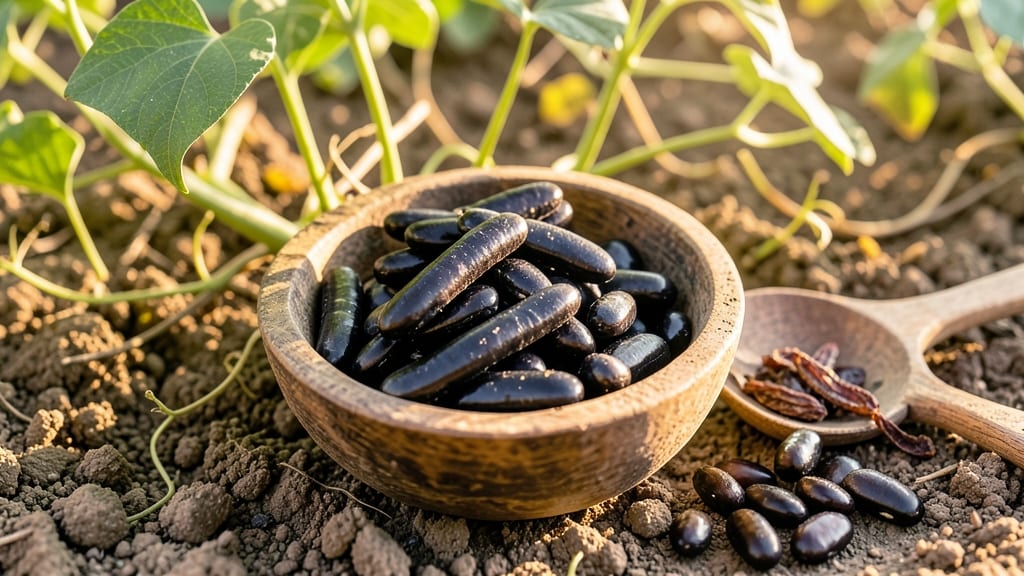
Want a bean that packs a nutritional punch while thriving in heat and drought? Black turtle beans deliver both—with 15g of protein per cooked cup and fiber that supports gut health. These aren’t just great for eating; they’re a powerhouse for organic gardens.
Plant them in well-draining soil with 6-8 hours of sun daily, and watch them produce glossy black beans in just 80-90 days. Their deep roots make them drought-resistant, perfect for warm climates like the South or Southwest. Plus, they fix nitrogen in the soil, improving future plant health.
Organic gardeners will love how these beans resist pests naturally and store well for months. Ideal for those seeking both nutrient-dense harvests and low-maintenance crops. 🌱
Navy Beans for Compact Bush Growth
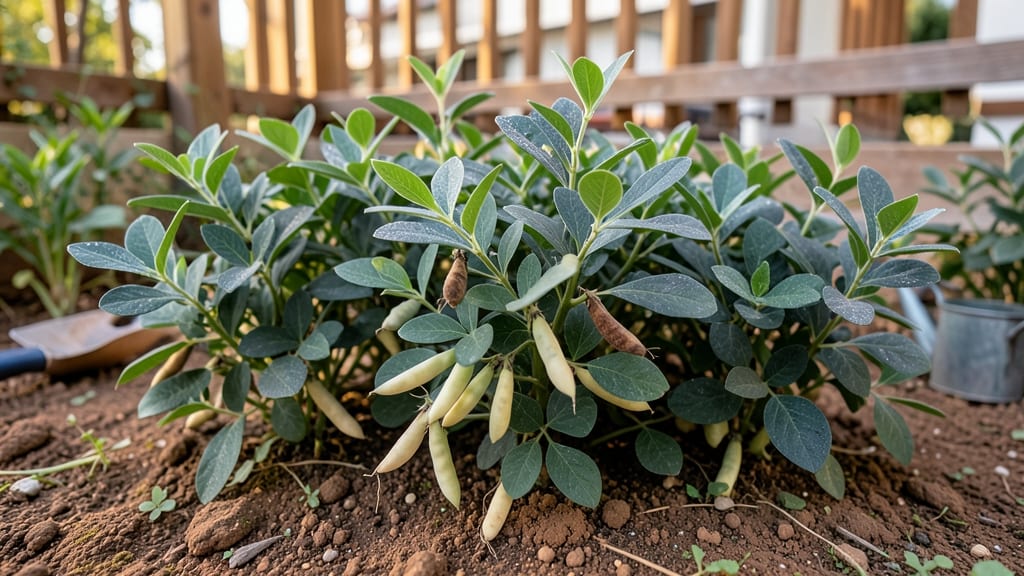
If you’ve ever dreamed of growing beans but worried about space, navy beans are your solution. These compact bush varieties mature in just 60 days, making them perfect for balconies, patios, or even small backyard plots where vining plants can’t thrive.
Navy beans grow in neat, low-profile bushes (about 2 feet tall) and produce an abundant harvest of creamy white beans. Plant them in 5-gallon containers or directly in soil with full sun (6-8 hours daily). They’re also surprisingly drought-tolerant once established, reducing watering worries. For best results, sow seeds 1 inch deep after the last frost and keep soil consistently moist until pods form.
Urban gardeners and apartment dwellers will love how navy beans deliver a high-protein harvest without taking over your space. Plus, their quick maturity means you’ll enjoy fresh beans in just two months! 🌱
Great Northern Beans for Versatile Cooking
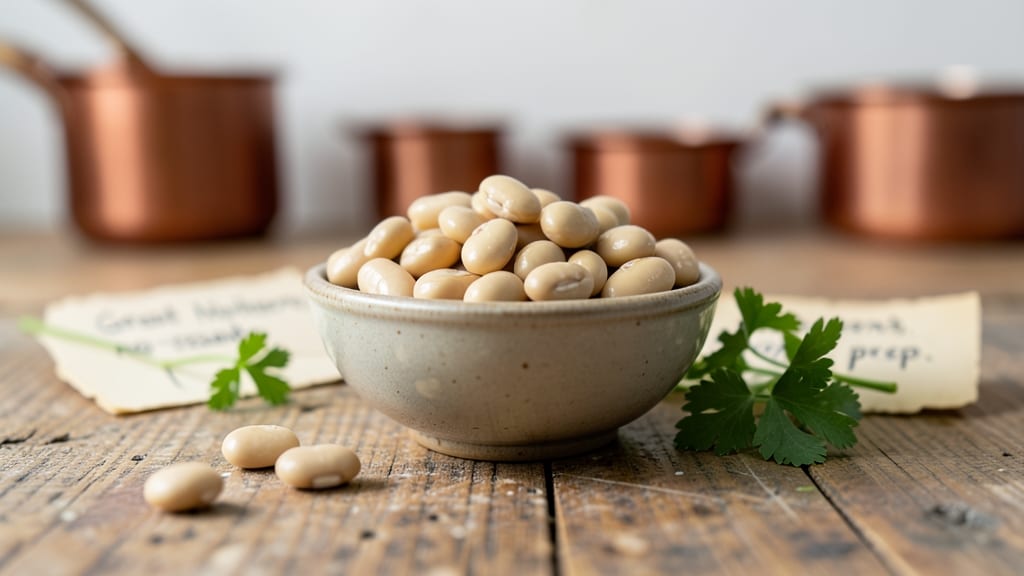
If you're looking for a dry bean that bridges the gap between fresh and dried uses, Great Northern beans are your secret weapon. Their mild, buttery flavor and creamy texture make them perfect for everything from chilled salads to velvety purees—without the need for soaking or long cooking times.
These beans thrive in cool to warm climates and mature in just 75 days, making them ideal for beginners or short-season gardens. Plant them in well-drained soil with full sun (6-8 hours daily) and watch them produce abundant pods. The key to success? Thin seedlings to 3-4 inches apart and harvest when pods turn golden-brown for the best flavor.
Perfect for urban gardeners, small-space plots, or anyone who wants a versatile bean that’s easy to grow and even easier to use. 💚
Red Kidney Beans for Bold Flavors
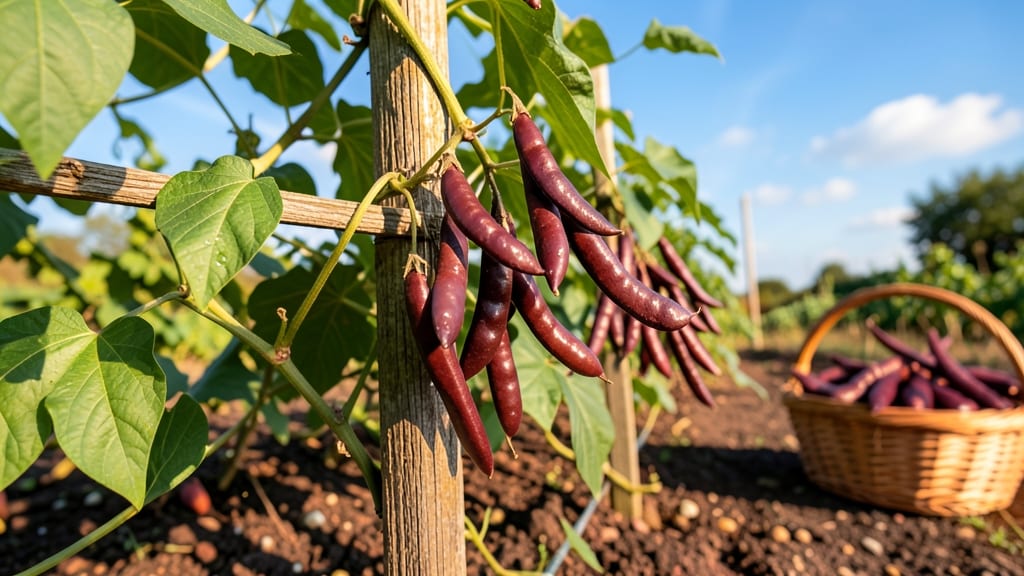
Craving beans with a bold, earthy flavor that elevates chili, tacos, and veggie stews? Red kidney beans deliver that signature rich taste while rewarding you with heavy yields—if you give them the right conditions.
These vining beans thrive in full sun (6-8 hours daily) and warm climates (USDA zones 4-11), but they demand a sturdy trellis or pole system to support their 6-8 foot vines. Plant seeds 1 inch deep after the last frost, spacing them 4-6 inches apart. With consistent moisture and regular fertilization, you’ll harvest 10-15 pounds per 100-foot row—enough to dry and store for winter meals.
Perfect for gardeners who love high-yielding pole beans and don’t mind the extra trellis setup. Just be sure to stake them early before vines get too heavy! 🌱
Anasazi Beans for Ancient Heirloom Appeal
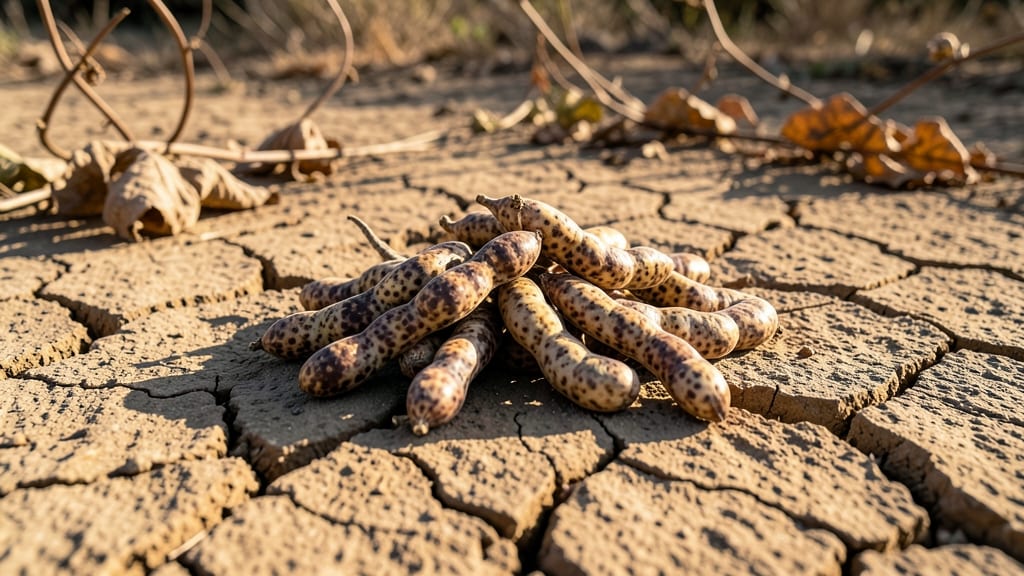
Bring a touch of history to your garden with Anasazi beans, a drought-resistant heirloom variety that thrives in arid climates while offering striking speckled patterns. These ancient beans are perfect for gardeners in dry regions who want to grow something both beautiful and sustainable.
Anasazi beans mature in about 80-90 days and produce pods with speckled beans that dry beautifully for long-term storage. They require minimal water once established, making them ideal for low-water gardens or areas with limited rainfall. The beans are versatile in the kitchen, perfect for traditional recipes like soups, stews, or even heirloom seed-saving projects.
This variety is especially rewarding for those who love sustainable gardening and appreciate the connection to ancient agricultural traditions. 🌱
Lima Beans for Buttery-Sweet Pods
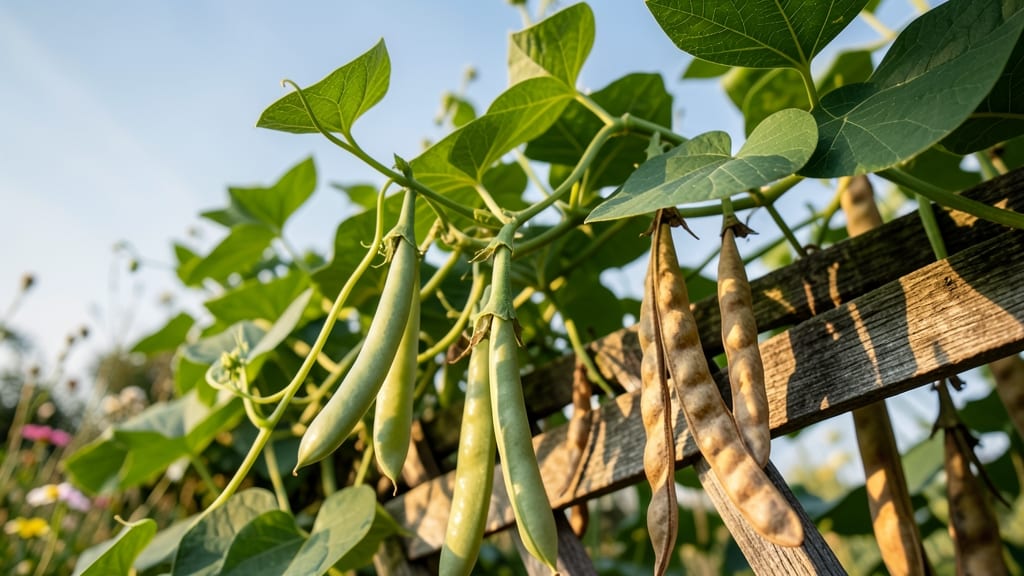
Want a bean that gives you two harvests in one? Lima beans are the secret weapon for gardeners who love versatility—pick young pods for buttery-sweet snap beans or let them mature for dry beans perfect for soups and stews.
These vining plants adore warm climates (USDA zones 5-11) and demand consistent moisture—think of them as the divas of the bean world. Plant in well-draining soil after the last frost, and give them 6-8 hours of sun daily for maximum production. The key to tender pods? Harvest when they're 3-4 inches long and still bright green.
Urban gardeners and small-space growers will love that lima beans thrive on trellises or fences, saving precious ground space. Plus, their high protein content makes them a powerhouse for homegrown meals. 🌱
Jacob’s Cattle Beans for Heavy Yields
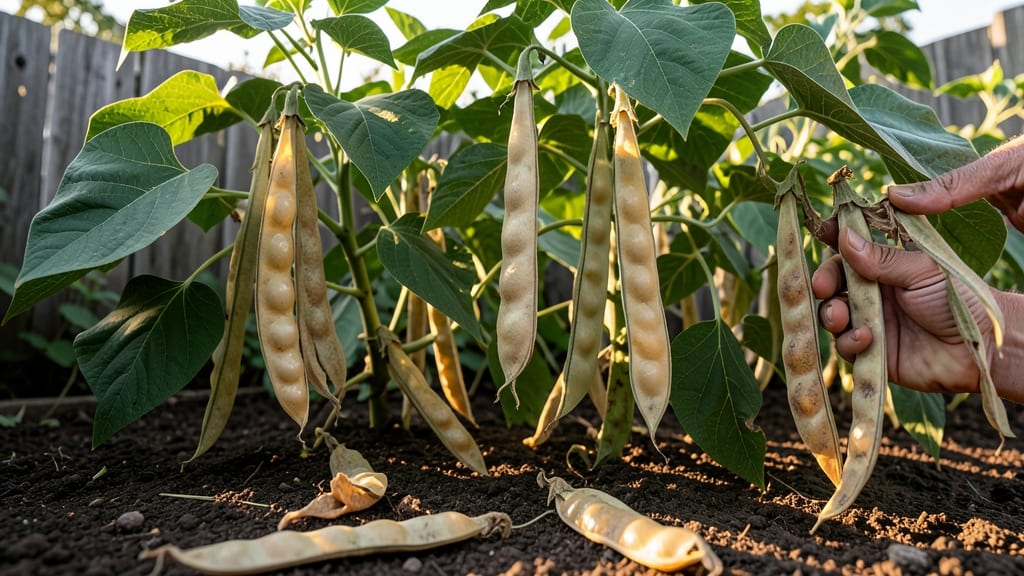
When you need to feed a crowd or stockpile beans for winter, Jacob’s Cattle Beans deliver the goods—literally. These old-fashioned giants produce massive pods (often 2-3 times larger than other varieties) packed with creamy, heirloom-quality beans perfect for soups, stews, or drying.
Plant them in full sun with well-draining soil, and expect heavy yields—each vine can produce 50+ pods per season. They thrive in warm climates but tolerate light frosts, making them ideal for late summer harvests. For preservation, let pods mature fully on the vine before shelling and drying.
Perfect for homesteaders, large families, or anyone who loves a reliable, high-volume bean variety. Stock your pantry with these workhorses and enjoy homegrown goodness all winter long. 🌱
Adzuki Beans for Sweet Treats and Salads
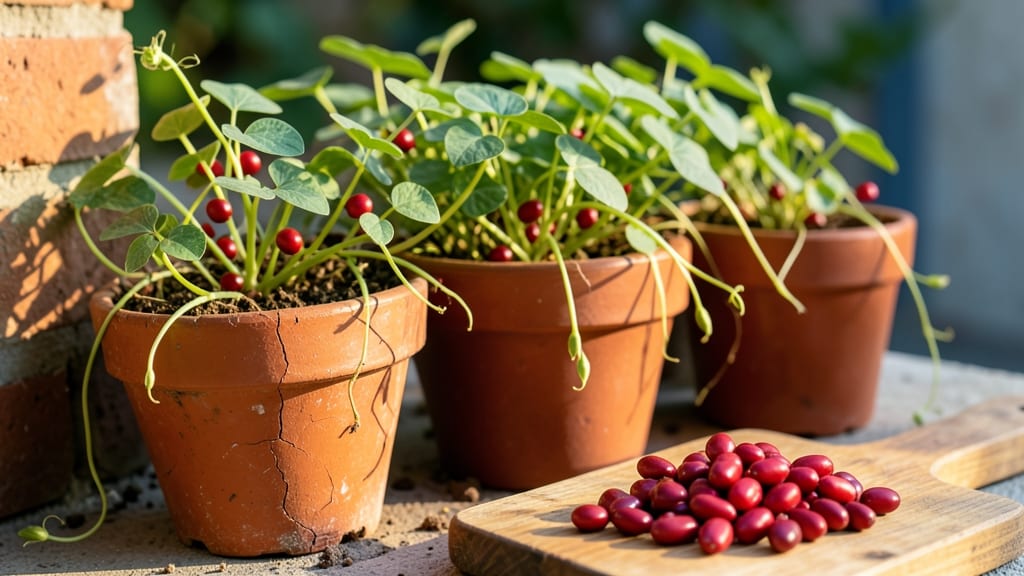
Bring a touch of global flavor to your garden with adzuki beans, tiny red gems that pack big culinary potential. These versatile beans thrive in containers and short growing seasons, making them ideal for urban gardeners or those with limited space.
Plant them in well-draining soil with 6-8 hours of sun daily, and expect a harvest in just 80-90 days. The sweet, nutty flavor works beautifully in salads, raw snacks, or traditional red bean pastries. Their compact growth habit means they won’t overcrowd your plot, and they’re perfect for succession planting.
Gardeners who love Asian-inspired dishes or want to experiment with unique flavors will find adzuki beans a rewarding addition. Their ability to thrive in containers also makes them a favorite for balcony gardens. 🌱
Scarlet Runner Beans for Ornamental Beauty

Transform your garden into a living tapestry with scarlet runner beans, where vibrant crimson flowers bloom alongside edible beans. This dual-purpose climber isn’t just a food source—it’s a pollinator magnet that turns fences and trellises into vertical gardens teeming with life.
Plant seeds directly in well-draining soil after the last frost, spacing them 6-8 inches apart along a sturdy trellis. The fast-growing vines (reaching 15-20 feet) produce both showy flowers and flat, reddish-brown beans perfect for soups or drying. Prune regularly to encourage bushier growth and more blooms.
Ideal for small spaces, urban gardens, and cottage-style designs, these beans thrive in full sun and tolerate heat once established. Their striking color and dual function make them a favorite for gardeners who want beauty and bounty in one package. 🌻