
Vegetables
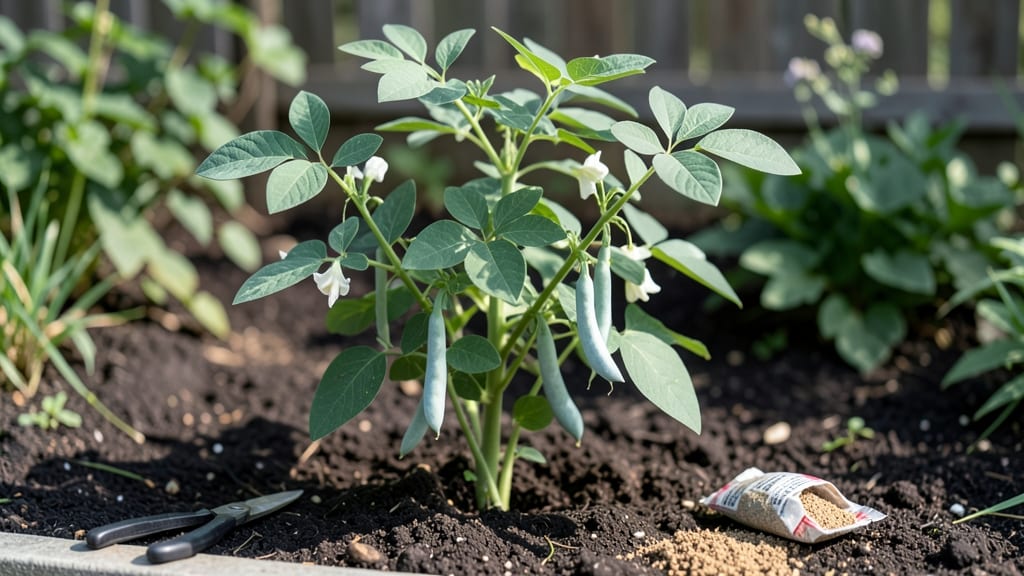
Those blue-green beans—like Blue Lake varieties—deliver the crispest, sweetest harvests, but only if you nail the planting window. and a little patience that pays off with bushels of fresh pods.
Start with well-draining soil rich in compost—think 2-3 inches mixed into the top 6 inches. Plant seeds 1 inch deep, 2-4 inches apart in rows spaced 18-24 inches apart for bush varieties or use trellises for poles.
They crave full sun (6-8 hours daily) and consistent moisture, but never soggy soil. A morning watering routine keeps them thriving.
You’ll see sprouts in 7-14 days, but here’s the catch: thin seedlings to the strongest 3-4 inches apart to avoid competition. Harvest begins 50-60 days after planting when pods are 4-6 inches long—pick regularly to encourage more production. The flavor? Sweet, crisp, and impossible to resist fresh from the vine.
Common mistakes? Planting too late or in poor soil. Stick to cool weather (50-85°F) and watch for pests like Mexican bean beetles. With these basics, you’ll enjoy a steady harvest all season long—no grocery store needed.
📚 In This Guide
- What you need
- Instructions
- Tips and common mistakes
- Wrapping up and next steps
What you need
- ● Blue-green bean seeds: Choose a variety like Blue Lake Bush or Kentucky Wonder Pole (1–2 oz per 100 sq ft).
- ● Well-draining soil: Mix in compost (2–3 inches) for nutrient-rich beds (pH 6.0–7.0).
- ○ Fertilizer (optional): Balanced 10-10-10 or organic options like fish emulsion (follow package rates).
- ● Watering can or hose: With a gentle spray nozzle for even moisture.
- ● Garden twine & stakes (for pole beans): 6–8 ft tall, spaced 3–4 ft apart.
- ○ Row covers (optional): Lightweight fabric to protect seedlings from pests or frost.
- ● 🌡️ Cool-season climate: Ideal for spring (after last frost) or fall (60–75°F).
- ● 🌿 Sunlight: Full sun (6–8 hours daily).
- ● 🚫 Avoid replanting: Never grow beans where legumes (peas, lentils) were planted last year.
Step-by-Step instructions for growing blue green beans
Cool-season beans thrive with the right timing and care—here’s how to coax those tender blue-green pods.
Prepare the Planting Site
Blue green beans prefer well-drained soil with a pH between 6.0 and 7.0. Work in 2-3 inches of compost to enrich the soil before planting, as beans are heavy feeders. If your soil is heavy clay, mix in sand or perlite to improve drainage—beans hate soggy roots.
Choose a location with full sun (6-8 hours daily). If growing pole beans, install 5-6 foot tall trellises at least 2 weeks before planting to give roots time to establish. Bush beans need 18-24 inches of spacing between plants, while pole beans thrive when spaced 4-6 inches apart along the trellis.
Plant Seeds at the Right Depth and Spacing
Sow seeds 1 inch deep when soil reaches 60°F. Plant 4-5 seeds per hill for bush beans, thinning to 2-3 strong plants once they sprout. For pole beans, plant 2-3 seeds every 6 inches along the trellis. Be patient—germination takes 7-14 days, depending on soil warmth.
Keep soil consistently moist but not waterlogged until seedlings emerge. If planting in cooler weather, use black plastic mulch to warm the soil and speed up germination. Avoid disturbing the soil after planting—beans have delicate roots that don’t transplant well.
Provide Consistent Water and Support
Water beans 1 inch per week, keeping the soil evenly moist. Let the top 1-2 inches dry out between waterings to prevent fungal diseases like rust. Pole beans need gentle tying to the trellis as they grow—use soft twine or fabric strips to avoid damaging stems.
Fertilize lightly with a balanced organic fertilizer (10-10-10) at planting and again when flowers appear. Too much nitrogen promotes leafy growth at the expense of pods. Watch for yellowing leaves—this often signals overwatering or nutrient imbalance.
Harvest for Peak Flavor and Continuous Production
Begin harvesting when pods reach 4-6 inches long and snap easily when bent. Pick every 2-3 days to encourage more production—beans left too long on the vine become woody and tough. Use clean shears or sharp scissors to avoid damaging the plant.
Blue green beans produce best in cool weather (50-75°F). If temperatures rise above 85°F, yield drops and pods may develop bitter flavors. Succession plant every 2 weeks for a continuous harvest through the season.
Tips & tricks for perfect blue green bean growth
These practical insights will help you cultivate thriving blue green beans—whether you're growing bush varieties or climbing pole types.
Soil Preparation Matters: Before planting, conduct a simple soil test to confirm your pH is within the 6.0-7.0 range. If your garden soil is acidic, amend it with crushed limestone (about 1 pound per 100 square feet) 2-3 months before planting. For heavy clay soils, mix in equal parts of sand and compost to create the ideal loose, well-draining medium that blue green beans crave. The 2-3 inches of compost mentioned in Step 1 should be worked in at least a week before planting to allow beneficial microbes to establish.
Germination Timing Secret: The 7-14 day germination window can feel like an eternity, but there are ways to speed things up. If your soil temperature hovers around 60°F but feels cooler, try covering the planting area with clear plastic wrap for 24 hours after sowing to create a mini greenhouse effect. This can shave 2-3 days off germination time while maintaining the crucial moisture level. Just remember to remove the plastic once sprouts appear to prevent overheating.
Watering Technique: When maintaining the 1 inch per week watering schedule from Step 3, focus on deep watering rather than frequent shallow sessions. Use a soaker hose or drip irrigation system positioned at the base of plants to deliver water directly to the roots. This method minimizes evaporation and reduces the risk of fungal diseases that thrive in damp foliage. Water in the early morning to allow leaves to dry completely before evening, which helps prevent rust and other moisture-related issues.
Harvesting Visual Cues: For that perfect 4-6 inch pod length mentioned in Step 4, look for pods that are bright blue-green in color and have a slight snap when gently bent. The pods should also feel firm to the touch but not hard. If you're harvesting every 2-3 days as recommended, you'll notice new flowers forming within 48 hours—this is your cue that the plant is ready for another round of pod production. Always harvest with clean shears to avoid damaging the plant's delicate stems.
Pro Tips for Blue Green Beans
- These practical insights will help you cultivate thriving blue green beans—whether you're growing bush varieties or climbing pole types.
- Soil Preparation Matters: Before planting, conduct a simple soil test to confirm your pH is within the 6.0-7.0 range.
- Germination Timing Secret: The 7-14 day germination window can feel like an eternity, but there are ways to speed things up.
Frequently asked questions
Got questions about growing your own blue-green beans? You’re not alone! Whether you’re a first-time gardener or a seasoned green thumb, these answers will help you cultivate a thriving harvest. Let’s dive in:
What’s the best time to plant blue-green beans?
Blue-green beans thrive in cool weather—plant them 2–3 weeks after the last frost in spring or 6–8 weeks before the first fall frost. Avoid hot summers (above 85°F/29°C), as they’ll bolt or produce poorly. For extended harvests, consider succession planting every 2–3 weeks.
Can I grow blue-green beans in containers?
Use a deep container (at least 12 inches tall) with well-draining soil. Pole varieties work best in containers since they climb, saving space. Ensure the pot has drainage holes and place it in full sun (6+ hours/day). Just keep an eye on watering—containers dry out faster!
Why aren’t my blue-green beans flowering or producing pods?
Common culprits include inconsistent watering, poor soil nutrients, or extreme heat. Check for:
- Soil moisture (keep it evenly moist, not soggy).
- Balanced fertilizer (high in phosphorus for blooms).
- Shade cloth if temps exceed 85°F (29°C).
What’s the difference between blue-green and regular green beans?
Blue-green beans are a heirloom variety with a slightly sweeter, more tender flavor and a vibrant blue-green hue when young. They’re often pole beans, meaning they climb and produce more per plant than bush varieties. Both types are nutritious, but blue-greens are prized for their visual appeal and unique taste!
How do I store homegrown blue-green beans?
For freshness, store unwashed pods in a paper towel-lined container in the fridge for 5–7 days. To freeze them, blanch for 3 minutes, cool in ice water, drain, and freeze in airtight bags for up to 12 months. For canning, follow USDA guidelines to preserve texture and flavor.
Wrapping up and next steps
Growing blue-green beans is a rewarding experience that brings fresh, nutritious produce right to your garden! Whether you choose pole or bush varieties, these cool-season stalks thrive with minimal fuss—just a little patience, the right soil, and consistent care.
Now that you’re armed with tips on materials, troubleshooting, and best practices, it’s time to roll up your sleeves and get planting.
Start small if you’re new to gardening, and soon you’ll be harvesting crunchy, vibrant beans to enjoy in salads, stir-fries, or steamed sides. Happy growing—and may your garden be as bountiful as your enthusiasm! 🌱✨