
Propagation
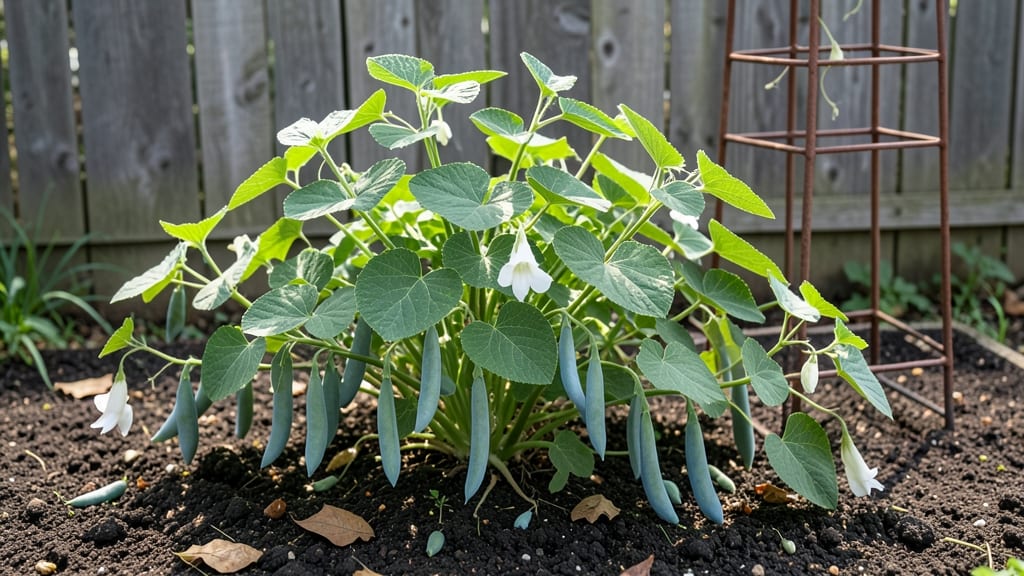
Blue Lake bean seeds sprout in 3-5 days—faster than most gardeners expect, and that quick start means you’ll be harvesting crisp, tender pods in just 50 days. 🌱 I planted mine last spring and was snipping beans for salads by early July, long before store-bought varieties were even close.
The secret lies in their love of warmth and consistent moisture, but don’t let that intimidate you—this variety forgives early mistakes better than most. Soil prep is where most beginners trip up, but Blue Lakes are flexible.
A well-draining mix with compost (no fancy amendments needed) works wonders—just avoid heavy clay. For bush varieties, space seeds 4 inches apart; for pole beans, give them 4-6 inches and a trellis or sturdy fence.
The key is keeping soil moist but not soggy, which means watering deeply 2-3 times a week once sprouts appear. What you’ll end up with is sweet, stringless pods that taste freshest when picked young—think buttery texture with a snap.
Yields are impressive too: 5-7 pods per plant for bush varieties, and 10+ per plant when grown on poles. The flavor holds up well in freezing, so you’ll have homegrown beans long after the garden’s done producing.
Here’s the best part: these beans thrive in containers or in-ground, making them perfect for small spaces or urban gardens. Just watch for bean beetles and powdery mildew—spraying neem oil early prevents most issues. Ready to grow your fastest, most productive beans yet?
📚 In This Guide
- What you need
- Instructions
- Tips and common mistakes
- Wrapping up and next steps
What you need
- ● Blue Lake bean seeds: 1–2 lbs (enough for a 10x10 ft garden; adjust based on spacing).
- ● Well-draining potting soil or garden soil: 5–10 lbs (amend with compost for nutrient-rich soil).
- ● Organic compost or fertilizer: 1–2 cups (balanced 10-10-10 or bean-specific fertilizer).
- ● Watering can or hose with a gentle spray nozzle: (for consistent moisture without disturbing seeds).
- ● Garden twine or trellis netting (for pole beans): 10–20 ft (if growing vertically).
- ○ Stakes or poles (optional for bush beans): 4–6 ft tall (if providing light support).
- ● Hand trowel or transplanting tool: (for digging small holes or transplanting seedlings).
- ○ Gloves (optional): (to protect hands while handling soil or seeds).
- ● Row marker or stakes: (to mark planting rows, especially in larger gardens).
- ● Mulch (straw or grass clippings): (to retain moisture and suppress weeds).
- ○ Sunlight meter (optional): (to confirm your garden gets 6–8 hours of direct sun daily).
- ● Warm soil temperature: At least 60°F (15°C)—wait until after the last frost if planting outdoors.
- ● Sunlight: Full sun (6+ hours daily) for optimal growth.
- ● Spacious planting area: 3–4 inches apart for bush beans; 4–6 inches apart for pole beans (or 6–8 inches apart if trellising).
- ● Drainage: Avoid waterlogged soil—Blue Lake beans hate soggy roots! 🚫💦
Step-by-step guide to growing Blue Lake bean seeds
Here's the proven method for coaxing quick, vigorous germination from Blue Lake beans—ideal for both pole and bush varieties.
🌱 Step 1: Prep Seeds and Soil for Fast Germination
Blue Lake beans germinate fastest when seeds soak overnight. Place 4 seeds in a bowl of lukewarm water for 8-12 hours—this softens the seed coat and triggers quicker sprouting. After soaking, drain and let them sit on a damp paper towel until you see tiny white roots (usually 1-2 hours).
Meanwhile, fill your planting area with well-draining soil warmed to 65-75°F. Blue Lake beans hate cold soil—if your garden is still chilly, use black plastic mulch for 2-3 weeks before planting to warm the earth. Work in a handful of compost to boost early growth, and rake the surface until it's just barely crumbly.
🌱 Step 2: Plant Seeds at the Right Depth and Spacing
Plant soaked seeds 1 inch deep—deeper than most beans, but Blue Lakes need this for strong root development. For bush varieties, space seeds 4 inches apart in rows 18-24 inches apart. Pole beans get 3-4 inches apart along trellises or strings, with rows 24-36 inches apart. Press each seed gently into the soil so it makes contact with the earth.
Water gently but thoroughly after planting—aim for 1 inch of moisture in the top 6 inches of soil. You'll see germination in 5-7 days if conditions are right, but wait 10-14 days before thinning. Thin to the strongest seedling per spot, snipping weaker ones at soil level with clean scissors.
☀️ Step 3: Provide Consistent Moisture and Sunlight
Blue Lake beans need full sun (6-8 hours daily) for maximum yield, but they're particularly sensitive to moisture fluctuations. Water deeply every 2-3 days until the top 2 inches of soil feel dry. Let the soil dry slightly between waterings—soggy conditions cause root rot, while drought stress stunts pods.
Watch for the first true leaves (the second set after the initial seed leaves) to appear. This is your cue to start fertilizing lightly with a balanced 10-10-10 formula. Apply ½ teaspoon per plant at the base, keeping it 3 inches away from stems to prevent burn. You'll see rapid growth within 7-10 days if the plants are happy.
🪴 Step 4: Support and Maintain for Maximum Yield
For pole varieties, install trellises or stakes 3-4 weeks after planting when vines reach 6 inches tall. Gently weave vines through the support as they grow—don't force them, or you'll snap tender stems. Bush varieties need no support, but remove lower leaves that touch the soil to prevent disease.
Harvest begins when pods reach 4-5 inches long and snap easily when bent. Pick every 2-3 days to encourage more production. If you miss this window, pods become fibrous and tough. I always harvest in the morning when pods are crispest, and store them in the fridge for up to 5 days or blanch and freeze for long-term use.
Tips & tricks for growing Blue Lake bean seeds
These insider tricks will help you skip the common pitfalls and get those seeds sprouting like clockwork.
Soaking Secret: That 8-12 hour soak is non-negotiable for Blue Lakes—they need this time to break dormancy. I've found using a mesh produce bag with a drawstring works perfectly: just place your 4 seeds in the bag, add lukewarm water, and hang it over the sink. This keeps them contained while allowing easy drainage when you're ready to transfer them to the damp paper towel. The 1-2 hour wait for white roots is your green light to plant!
Soil Temperature Hack: The 65-75°F range is critical, but here's what nobody tells you—if your soil thermometer shows 60°F or below, don't just plant. That black plastic mulch needs those full 2-3 weeks to work its magic. I've seen gardeners rush planting when soil is still cool, only to watch their seeds rot underground. A simple soil thermometer (under $15) is your best investment for this step.
Thinning Technique: When you're waiting those 10-14 days for thinning, here's my pro move: mark your strongest seedlings with a popsicle stick labeled with planting date. This helps you visualize which ones to keep. And when you do thin, snip at soil level with clean scissors—not pull—to avoid disturbing nearby roots. I've saved entire plants this way when I nearly yanked them out by accident.
Harvest Timing: Those 4-5 inch pods are your sweet spot, but here's the trick: harvest in the morning when pods are crispest. I've found that afternoon harvests (even just 2 hours later) can make pods slightly tougher. And when you're freezing, blanch pods for exactly 2 minutes in boiling water before shocking in ice water—this preserves that garden-fresh snap for months.
Pro Tips for Blue Lake Bean Seeds
- These insider tricks will help you skip the common pitfalls and get those seeds sprouting like clockwork.
- Soaking Secret: That 8-12 hour soak is non-negotiable for Blue Lakes—they need this time to break dormancy. I've foun...
- Soil Temperature Hack: The 65-75°F range is critical, but here's what nobody tells you—if your soil thermometer shows...
Frequently asked questions
Got questions about growing Blue Lake bean seeds? You’re in the right place! Whether you’re a first-time gardener or a seasoned pro, these answers cover the basics—and a few curveballs—to help your beans thrive.
How long do Blue Lake bean seeds take to germinate?
Blue Lake beans are fast germinators! Under ideal conditions (warm soil, 70–85°F), you’ll see sprouts in 5–10 days. For quicker results, soak seeds overnight in warm water before planting. Pro tip: Keep soil moist but not soggy—dryness slows germination.
Can I grow Blue Lake beans in containers, or do they need a garden bed?
Blue Lake beans thrive in containers (5+ gallons per plant) or garden beds. For pole beans, use a trellis or tall cage (6+ feet). Bush varieties need 18–24 inches of space per plant. Just ensure containers have drainage holes and deep soil—beans love room to stretch their roots!
Why aren’t my Blue Lake bean seeds sprouting? Troubleshooting tips.
No sprouts? Check these common culprits:
- Cold soil: Wait until soil is at least 60°F (use a seedling heat mat if needed).
- Too deep: Plant seeds 1–1.5 inches deep—deeper = slower germination.
- Old seeds: Blue Lake seeds stay viable for 2–3 years; test a few in a damp paper towel for viability.
- Overwatering: Seeds need moisture but not standing water (rot risk!).
Are Blue Lake beans drought-tolerant, or do they need frequent watering?
Once established, Blue Lake beans are moderately drought-tolerant, but they prefer consistent moisture—especially during flowering and podding. Water deeply 1–2 times per week (more in heatwaves). Mulch around plants to retain soil moisture and keep roots cool.
How do Blue Lake beans compare to other green beans (like Romano or Blue Lake Bush)?
Blue Lake beans
are prized for their sweet, tender pods and versatility—great fresh, canned, or frozen. Compared to Romano (drier, more fibrous) or Blue Lake Bush (shorter stature), pole varieties produce longer harvests (up to 60 days) and yield more per plant. For compact spaces, bush types work well, but pole beans save garden real estate!
Wrapping up and next steps
Growing Blue Lake bean seeds is a rewarding journey—whether you're cultivating them in a lush garden or a cozy container setup. Their fast germination and versatility make them a fantastic choice for both beginners and seasoned gardeners.
With the right care, you’ll soon be harvesting crisp, flavorful beans to enjoy fresh or share with friends! 🌱
Ready to dive in? Start by gathering your supplies, then plant those seeds and watch your garden transform. Happy growing!