
Picking
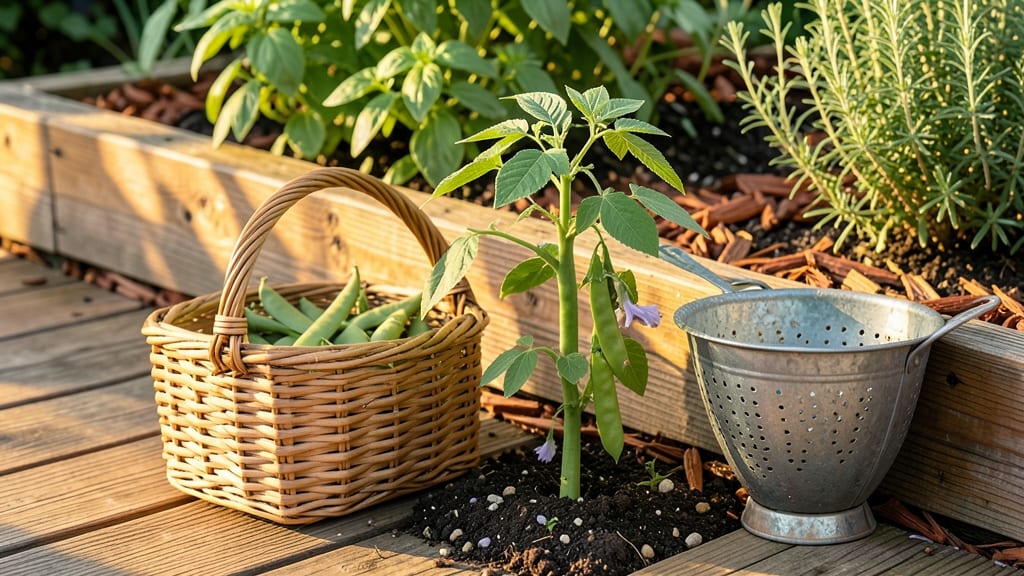
Harvesting bush beans at the right time turns a simple garden task into a flavor-packed victory—because those pods change faster than you think.
Picture this: you check your 🌱 bush beans one morning, and by afternoon, the ones you skipped are already tough and stringy. That’s the window you’ve got to nail—just 2-3 days between perfect tenderness and disappointment.
The secret? Watching for that color shift from bright green to a duller hue and pods that snap crisply when bent.
Timing isn’t just about taste—it’s about yield. Miss the mark, and your plant will redirect energy into seed development, leaving you with fewer harvests. But get it right, and you’ll enjoy weeks of fresh, homegrown beans straight from your garden to the pot.
In this guide, I’ll walk you through the exact signs to look for—pod size, color, and texture—and share pro tips to stretch your harvest season as long as possible. No more guesswork, just crisp, sweet beans every time.

How to identify perfect bush bean harvest time by pod color and size
Timing your bush bean harvest correctly transforms your garden into a flavor factory. The difference between a tender, crisp pod and a woody, bitter mess often comes down to subtle visual cues you might be missing.
I've learned that even a day's delay can turn perfect beans into overripe disappointments, so let's break down what to watch for in your garden.
When I first started growing bush beans, I made the mistake of assuming all green pods were ready. But bush beans go through three distinct color phases that signal their maturity. The first phase is the early immature stage, where pods are bright green but still underdeveloped.
If you harvest them now, you'll get a grassy, bland flavor that's far from ideal. Patience is key here—wait until you see those telltale signs of readiness.
| Maturity Stage | Pod Color | Pod Size (inches) | Texture | Flavor Profile | Action Required |
|---|---|---|---|---|---|
| Early Immature | Solid bright green | 3-4 | Firm, slightly waxy | Grassy, underdeveloped | Wait 2-3 days |
| Optimal Harvest | Dull green to speckled/light brown | 4-6 | Tender, smooth | Sweet, crisp | Harvest immediately |
| Overripe | Dark brown/yellow, wrinkled | 6+ | Tough, fibrous | Bitter, mealy | Use for drying or compost |
The optimal harvest stage occurs when your bush bean pods reach 4-6 inches in length and develop a dull green or speckled appearance. This color shift happens as the pods mature and is your clearest visual cue.
I always check for this by running my thumb along the seam of the pod—if it snaps crisply with a slight resistance, that's your perfect moment. The pods should also feel smooth and tender, not waxy or leathery.
If you're growing varieties like Blue Lake or Contender, these color changes become even more pronounced. The speckled pattern appears as tiny brown flecks along the pod's edges, indicating the beans are ready to pick.
I've found that harvesting at this stage ensures the best flavor and texture, making all the difference when you're serving them fresh from the garden.
One mistake I see gardeners make is waiting too long for pods to turn completely brown. By the time they reach this overripe stage, they become tough and fibrous, with a bitter taste that's hard to enjoy.
These beans are still edible but are better suited for drying or composting. The wrinkled texture is your biggest warning sign—it means the beans have started converting their energy from pod growth to seed development.
For premature beans, look for pods that are shorter than 3 inches and remain a bright, glossy green. These beans lack the sweetness and structural integrity of mature pods.
If you're unsure, I recommend checking the plant's flowers—if you see new blossoms forming, it's a sign that more beans are on the way, and you should wait a few days before harvesting.
Another trick I use is the snap test. Hold a pod between your thumb and forefinger and gently bend it. If it snaps cleanly with a slight crack, it's ready. If it bends without breaking, it's underripe.
If it feels tough and resists bending, it's overripe. This simple test takes just seconds and can save you from harvesting beans at the wrong stage.
Regional variations can also affect harvest timing. In warmer climates, beans may mature faster and require more frequent checking. In cooler areas, the color transition might happen more slowly.
I've noticed that in my Zone 6a garden, the speckled pattern appears more prominently in late July, while in hotter zones, it might show up as early as June. Always adjust your expectations based on your local growing conditions.
To extend your harvest season, consider planting successive crops every 2-3 weeks. This staggered approach ensures a steady supply of fresh beans and gives you more opportunities to practice perfect timing.
I've found that using row covers can also protect plants from pests and temperature fluctuations, helping beans reach maturity more consistently.
Remember, the goal is to harvest before the beans become overripe. When you master these visual cues—pod length, color shifts, and texture changes—you'll transform your bush bean harvests from hit-or-miss to consistently delicious. With practice, you'll develop an almost instinctive sense for the perfect moment to pick.
Bush bean harvest frequency: when and how often to pick for maximum yield
Harvesting bush beans at the right frequency is the secret to a continuous supply of tender, flavorful pods. I’ve learned that skipping just a few days can turn your crisp harvests into tough, fibrous disappointments.
The key lies in a consistent 2-3 day schedule during peak production, which typically occurs 6-8 weeks after planting. This rhythm keeps your plants productive and prevents them from diverting energy to seed development, which is a common mistake many gardeners make.
When I first started growing bush beans, I assumed picking them all at once would be efficient. But that approach leads to overcrowding and stress on the plants. Instead, focus on hand-picking mature pods while leaving younger ones to develop.
This method encourages your plants to produce more flowers and beans, extending your harvest season by 2-4 weeks. The goal is to mimic nature’s cycle—just like how wild beans are constantly harvested by wildlife.
-
1. Morning Harvests
Always pick beans in the early morning after dew has evaporated. This ensures maximum tenderness and flavor, as the pods are fully hydrated and less likely to wilt during storage. -
2. Frequency Rule
During peak production, harvest every 2-3 days. This prevents overcrowding and encourages continuous flowering. If you’re away for a few days, pick all mature pods at once to avoid stressing the plant. -
3. Yield Booster
Removing mature pods signals the plant to produce more flowers and beans. If you leave pods on the plant too long, the plant will shift its energy to seed development, reducing your overall yield by up to 30%. -
4. Season Extension
Use row covers or trellises to protect plants from pests and late-season frosts. This can extend your harvest by 2-3 weeks, giving you more time to enjoy fresh beans before winter sets in.
One of the biggest mistakes I’ve seen gardeners make is waiting too long to harvest. By the time you notice the pods turning dark brown or wrinkled, they’ve already lost their sweetness and become tough.
To avoid this, I now check my plants every other day during peak season. A quick glance at the pod size and color is all it takes to decide whether to pick or wait.
If your bush beans start producing fewer pods, it might be a sign of overcrowding or nutrient deficiency. To fix this, thin out the plants to 3-4 inches apart and add a balanced fertilizer (like 10-10-10) every 4-6 weeks.
I’ve also found that mulching around the base of the plants helps retain moisture and keeps the soil cool, which encourages more consistent production.
For those living in cooler climates, consider using black plastic mulch or straw mulch to warm the soil and extend the growing season. This simple trick can push your harvest time back by 1-2 weeks, giving you more time to enjoy fresh beans before the first frost.
Just remember to remove the mulch once the plants are established to prevent overheating.
Finally, don’t forget to rotate your crops next season. Bush beans are heavy feeders, and planting them in the same spot year after year can deplete the soil. I like to follow them with light feeders like lettuce or radishes to keep my garden healthy and productive.
With these tips, you’ll be harvesting tender, flavorful bush beans all season long! 🌿