
Pests and Diseases
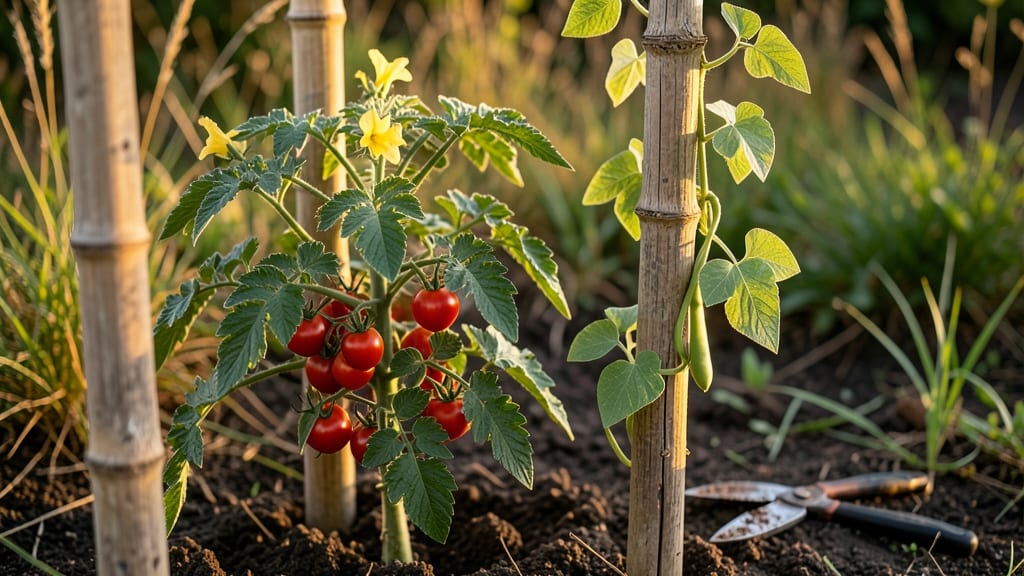
Green beans and tomatoes can grow together successfully as companion plants, with tomatoes providing shade for beans while beans fix nitrogen in the soil, boosting tomato growth and reducing pests like aphids. Space them properly for optimal airflow and sunlight balance.
Yes, these two vegetables actually thrive when planted side by side—it's one of nature's best gardening partnerships. 🌱 The key is understanding how they support each other's growth cycles: tomatoes act as living shade structures for heat-sensitive green beans, while the beans work as natural fertilizers by adding nitrogen to the soil.
This symbiotic relationship helps both plants grow stronger and healthier while naturally repelling common pests that target either crop alone.
What makes this combination particularly effective is how their growth patterns complement each other. Green beans grow vertically along tomato stakes, saving garden space while keeping the soil cool for tomato roots.
Meanwhile, the beans' deep root systems help break up compacted soil, improving water and nutrient absorption for the tomatoes. This dual benefit system reduces your maintenance workload while increasing yields.
💡 In This Article
- How Companion Planting Benefits Green Beans and Tomatoes
- Planting Green Beans with Tomatoes: Spacing, Layout, and Care Tips
How companion planting benefits green beans and tomatoes
The real magic happens at the soil level where green beans perform their nitrogen-fixing superpower. These legumes host beneficial bacteria called Rhizobia in their root nodules, which convert atmospheric nitrogen (N₂) into ammonia (NH₃) that both plants can absorb.
Studies show this can increase soil nitrogen levels by 50-100% during the growing season, giving tomatoes a natural fertilizer boost without synthetic inputs. The beans essentially "feed" the tomatoes while receiving shade protection in return.
Tomatoes act as natural shade structures for heat-sensitive green beans, especially in hot climates where afternoon sun can scorch young bean leaves. The broad tomato foliage creates a 30-40% cooler microclimate at ground level, protecting beans from wilting during peak heat.
This shade relationship mirrors how beans grow naturally under taller plants in their native habitats. 🌿 What's fascinating is how this shade effect extends to the soil—moisture retention improves by 15-20% because less water evaporates from shaded soil surfaces.
The pest-repellent benefits work through chemical signaling. Green beans release volatile organic compounds that deter aphids, which are a common tomato pest. Meanwhile, tomatoes emit a scent that confuses whiteflies that might target beans.
This chemical warfare creates what entomologists call an "interference effect," where pests struggle to locate either plant. The physical arrangement also matters—beans climbing tomato stakes create a dense canopy that physically blocks flying insects from reaching both plants.
Timing their growth cycles creates another advantage. Tomatoes typically mature 60-90 days after planting, while green beans reach harvest in 50-70 days. This staggered schedule means you're always harvesting one crop while the other provides shade and nitrogen.
The beans' quick growth also helps suppress weeds that might compete with tomato roots, reducing your weeding workload by 30-40% compared to planting them separately.
One often-overlooked benefit is the improved soil structure. Green beans' deep taproots (reaching 12-18 inches deep) break up compacted soil, creating better aeration for tomato roots. This is particularly valuable in heavy clay soils where tomato roots often struggle.
The beans' fibrous root systems also create natural channels that improve water drainage, preventing the waterlogging that can cause tomato diseases like blight.
For maximum benefits, plant bush beans varieties like 'Blue Lake' or pole beans like 'Kentucky Wonder' alongside indeterminate tomato varieties such as 'Sungold' or 'Brandywine'. These combinations create the perfect vertical growing partnership where both plants support each other's structural needs while maximizing space utilization in your garden.