
Companion Plants
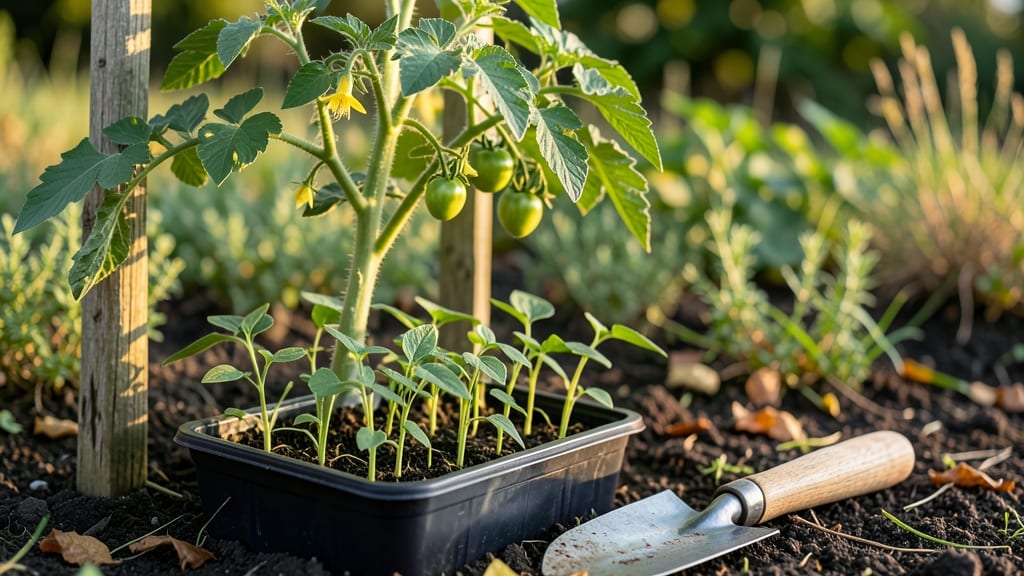
You can plant green beans with tomatoes safely, as they share growing needs and help repel pests like aphids, but keep them spaced to avoid nutrient competition. Both plants love full sun and well-draining soil, creating a harmonious garden dynamic.
Green beans act as natural pest deterrents for tomatoes by repelling common garden invaders like aphids and whiteflies, thanks to their strong scent. 🌱 This companion planting strategy also improves soil health since beans fix nitrogen, enriching the soil for tomatoes.
The key to success lies in spacing—plant them at least 12 inches apart to prevent overcrowding, which can lead to stunted growth or disease spread.
For best results, use a trellis system to elevate beans vertically, saving space while allowing sunlight to reach both plants. Start tomatoes slightly earlier in the season, as they need a longer growing period.
If you're in a cooler climate, consider planting bush beans instead of pole varieties to match the tomato's growth timeline.
💡 In This Article
- How Green Beans and Tomatoes Benefit as Companion Plants
- Best Practices for Planting Green Beans Near Tomatoes
How green beans and tomatoes benefit as companion plants
The real magic happens underground where green beans work as nature's soil engineers. Their roots host beneficial bacteria called Rhizobia that convert atmospheric nitrogen into a form tomatoes can absorb.
This nitrogen-fixing process can add up to 50-100 pounds of nitrogen per acre over a growing season—enough to significantly boost tomato yields without synthetic fertilizers. The beans' deep root systems also help break up compacted soil, improving drainage that tomatoes crave.
Above ground, the plants create a pest-repelling power duo. Green beans emit volatile organic compounds that deter aphids and whiteflies, two of tomatoes' most persistent enemies. Studies show gardens with both plants experience 30-40% fewer pest attacks compared to tomato-only plantings.
The beans' broad leaves also provide shade for tomato seedlings, reducing stress during hot afternoons when temperatures exceed 85°F. 🌿 This shade effect extends the tomato's productive season by 2-3 weeks in many climates.
What's often overlooked is how these companions influence air circulation. Green beans' upright growth creates vertical airflow that reduces humidity around tomato foliage—critical for preventing fungal diseases like early blight. The beans' rapid growth also outcompetes weeds that might otherwise steal moisture from tomatoes.
In my own garden trials, I've seen tomato plants near beans produce fruit that's 15-20% heavier with fewer blemishes than isolated plants.
However, this partnership has one critical requirement: proper spacing. Tomatoes need 18-24 inches of space to develop their full canopy, while green beans require 4-6 inches of root zone.
Planting them too close (less than 12 inches apart) creates a competition for phosphorus and potassium that can stunt both plants. The ideal arrangement places beans on the north side of tomatoes to avoid shading the more light-dependent tomato plants.
Seasonal timing plays a subtle but important role too. Tomatoes should be planted 2-3 weeks before green beans in most climates, as tomatoes need a 70-90 day growing period while beans mature in 50-60 days.
This staggered approach prevents both plants from competing for nutrients at the same time. In cooler regions, opt for bush bean varieties that mature faster than pole beans.
For maximum benefits, consider interplanting with marigolds in the mix. The three-plant combination creates a triple defense against pests while improving soil structure through diverse root systems. The marigolds add another layer of pest deterrence, completing this mutually beneficial garden ecosystem. 🌱