
Companion Plants
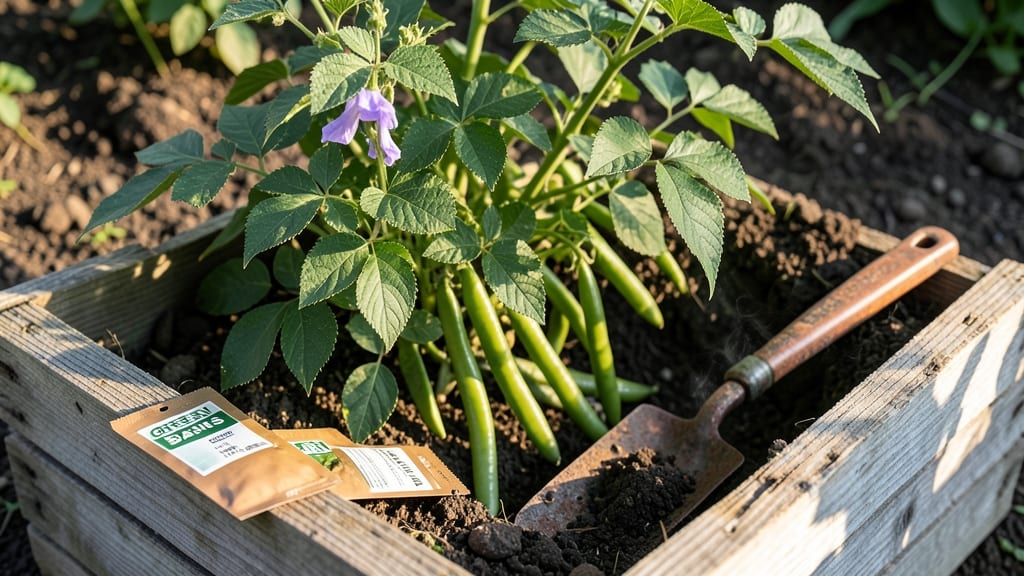
Plant green beans in North Carolina between mid-March and late April for spring harvests or mid-July to mid-August for fall crops, aligning with soil temperatures of 60-70°F.
North Carolina’s warm summers and unpredictable spring weather make timing your 🌱 green bean planting a critical factor in maximizing your harvest—get it wrong, and you risk stunted growth or pests ruining your crop.
In USDA Zones 7a-8b, coastal areas can start planting a week earlier than the Piedmont or Mountains, where cooler nights delay germination. The key is waiting for the last frost date—usually around March 15—and ensuring the soil stays consistently warm.
Below, I’ll break down the best planting windows by region, soil prep tips, and how to stretch your harvest season with succession planting—so you can enjoy fresh beans from June through October.
North Carolina green bean planting dates by region: frost-free zones & soil temperature guide
Timing your green bean planting in North Carolina depends on your region's frost-free dates and soil temperature. The Tar Heel State spans four distinct climate zones—Coastal, Piedmont, Mountains—each with unique growing windows.
Planting too early risks frost damage, while waiting too long can lead to heat stress or pest infestations. The key to success? Aim for soil temperatures between 60-70°F and wait until 2 weeks after your last frost date.
North Carolina’s USDA zones 7a-8b offer two primary planting windows: spring (March-April) and late summer (July-August). Spring plantings yield harvests in June-July, while late summer plantings produce beans in September-October.
Let’s break down the ideal planting dates by region to ensure your green beans thrive from seed to harvest.
Comparison Table: North Carolina Green Bean Planting Dates by Region
| Region | Last Frost Date | Spring Planting Window | Soil Temp for Planting | Late Summer Planting Window |
|---|---|---|---|---|
| Coastal (e.g., Wilmington, Morehead City) | February 15 - March 1 | March 15 - April 15 | 60-70°F | July 1 - August 1 |
| Piedmont (e.g., Raleigh, Greensboro) | March 15 - April 1 | April 1 - April 30 | 60-70°F | July 15 - August 15 |
| Mountains (e.g., Asheville, Boone) | April 15 - May 1 | May 1 - May 15 | 60-70°F | August 1 - August 15 |
For Coastal North Carolina, where winters are milder, you can start planting as early as mid-March. The Piedmont region typically waits until early April to avoid late spring frosts, while Mountain gardeners often delay planting until early May due to colder nights.
Late summer plantings should occur 8-10 weeks before your first frost to ensure a full harvest before cooler weather sets in.
Before planting, check your soil temperature with a soil thermometer. Green beans germinate best when soil is consistently above 60°F. If temperatures dip below this threshold, germination slows or fails entirely.
In cooler regions like the Mountains, consider using black plastic mulch to warm the soil faster and extend your planting window.
Another pro tip: Plant bush beans slightly earlier than pole beans, as they mature faster. Bush varieties like ‘Blue Lake’ take about 50-55 days to harvest, while pole beans like ‘Contender’ need 60-65 days. This timing difference lets you stagger plantings and enjoy a longer harvest season.
If you’re unsure about your local frost dates, consult the NC State Climate Office or use a frost-free date calculator. These tools provide hyper-localized data to help you fine-tune your planting schedule. For example, Asheville’s last frost often occurs 2 weeks later than Raleigh’s, so adjust accordingly.
Once your seeds are in the ground, maintain consistent moisture and provide 6-8 hours of sunlight daily. Green beans are heat-tolerant but struggle in extreme heat or drought. Mulching around plants helps retain moisture and regulate soil temperature, especially during NC’s sweltering summer months.
By following these region-specific guidelines, you’ll avoid common pitfalls like frost damage or poor germination and enjoy a bountiful harvest of fresh, homegrown green beans. Whether you’re in the Coastal plains, Piedmont foothills, or Mountain valleys, timing is everything for a successful green bean crop.
Ready to plant? Grab your seeds, check your soil, and mark your calendar—your green bean harvest awaits! 🌱
How to extend your green bean harvest season in NC: succession planting & variety selection
North Carolina’s long growing season gives you a golden opportunity to enjoy fresh green beans from spring through fall—but only if you plan strategically. The key lies in succession planting and choosing the right varieties that thrive in NC’s heat and humidity.
Without this approach, you’ll miss out on weeks of harvests during peak summer months when other crops might struggle.
I’ve found that staggered plantings every 2-3 weeks create a continuous supply, while heat-tolerant varieties like ‘Contender’ and ‘Blue Lake’ keep producing even when temperatures climb above 90°F. The secret?
Start your first batch in early spring, follow with mid-summer plantings, and use trellises for pole beans to save space and improve air circulation.
🌱 NC Green Bean Planting Timeline for Extended Harvests
- Early Spring: March 15-April 15 (bush beans like ‘Blue Lake’)
- Late Spring: May 1-June 1 (pole beans like ‘Contender’ on trellises)
- Early Summer: July 15-August 1 (heat-tolerant varieties)
- Mid-Summer: August 15-September 1 (fast-maturing ‘Tendergreen’)
Each planting provides fresh pods for 4-6 weeks!
For bush beans, I recommend planting in blocks every 10-14 days from March through July. These compact varieties mature quickly (50-55 days) and are perfect for container gardens or small spaces.
Meanwhile, pole beans planted in mid-summer will climb and produce until first frost, giving you harvests when many other vegetables are winding down.
Don’t overlook soil preparation between plantings—amend with compost and a balanced fertilizer (10-10-10) to replenish nutrients. I always rotate planting locations yearly to prevent soil-borne diseases like bean blight, which can devastate consecutive plantings in the same spot. Crop rotation isn’t just theory—it’s my secret weapon for consistent yields.
When selecting varieties, prioritize those with disease resistance (look for labels mentioning "Common Bacterial Blight" resistance).
My top picks for NC gardens are: - ‘Contender’ (pole bean, heat-tolerant, 60-day harvest) - ‘Blue Lake’ (bush bean, classic flavor, 55-day harvest) - ‘Tendergreen’ (fast-maturing bush bean, great for late summer) Each of these has proven reliable in my Zone 7b garden during both spring and fall plantings.
Remember that late summer plantings (after August 1) should use faster-maturing varieties to beat the first frost. I’ve had success with ‘Blue Lake’ maturing in just 50 days from a September planting—perfect for a quick harvest before winter sets in.
With this approach, you’ll enjoy green beans from June through October, making your garden the envy of the neighborhood!