
Companion Plants
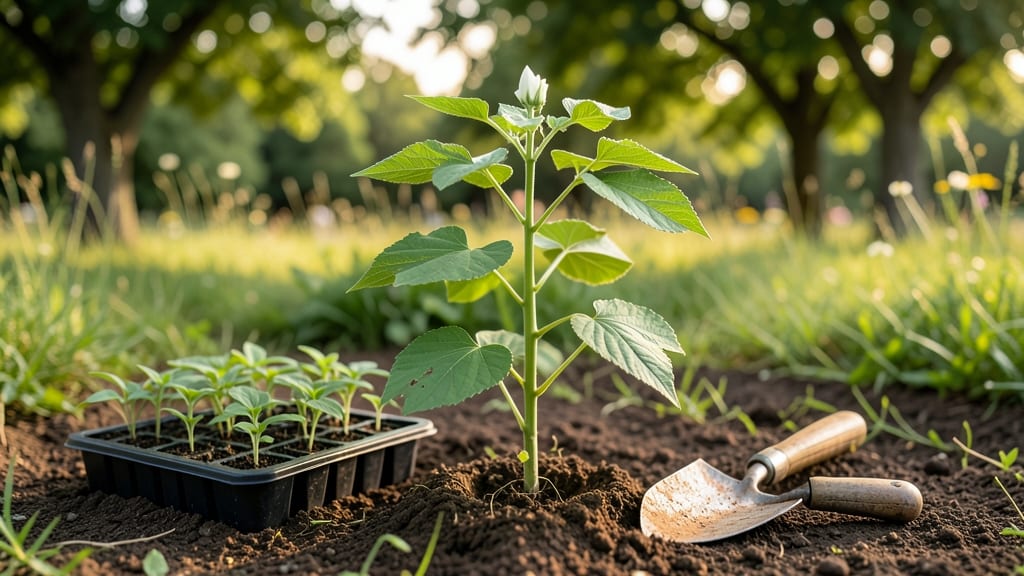
Planting green beans in Missouri after your last frost date — ideally between April 15 and May 15 — ensures a thriving harvest before summer heat sets in.
Missouri gardeners know timing is everything — plant too early, and frost will kill them; too late, and summer heat reduces yields. Get the perfect window to enjoy a bountiful harvest of crisp, flavorful pods all season.
In zones 5b-6b, soil temperatures must reach at least 60°F before seeds sprout reliably. This guide covers both spring and fall planting windows, soil prep tips, and how to extend your harvest with succession planting.
You’ll learn the exact frost-free dates by region, how to test soil readiness, and which varieties thrive in Missouri’s climate — whether you’re growing bush beans or climbing pole varieties.
Missouri green bean planting calendar by hardiness Zone (with frost-free date maps)
Missouri's diverse climate—from Zone 5b in the north to Zone 7a in the south—creates unique planting windows for green beans. Frost dates shift dramatically across the state, so knowing your zone ensures you plant at the perfect time for maximum yields.
Whether you're growing bush beans or pole varieties, timing directly impacts your harvest success.
Green beans thrive in warm soil (at least 60°F) and consistent temperatures above 50°F. In Missouri, this means waiting until after the last spring frost—typically mid-April to early May—for spring plantings.
For a fall harvest, aim for July to early August to beat the first frost in October.
Here’s your zone-by-zone planting guide, including frost-free dates and ideal transplanting windows. Use this visual reference to pinpoint your exact planting dates and avoid common mistakes like frost damage or heat stress.
For Zone 5b gardeners in northern Missouri, like those in St. Joseph or Kansas City, wait until May 1 to plant seeds directly in the ground. Soil temperatures below 60°F can stunt germination, so use a soil thermometer to confirm readiness.
In Zone 7a, such as Poplar Bluff or Cape Girardeau, you can start as early as March 20, giving you a longer harvest window.
If you’re transplanting seedlings, wait until 2 weeks after your last frost date to avoid transplant shock from lingering cold.
For example, in Zone 6a (Columbia or Jefferson City), transplant May 10 or later. Pole beans benefit from a longer season, so plant them 1-2 weeks earlier than bush varieties in cooler zones.
Missouri’s summer heat can stress green beans, especially in July and August. To extend your harvest, opt for heat-tolerant varieties like ‘Blue Lake’ or ‘Contender’, and provide afternoon shade with row covers or shade cloth.
For fall plantings, focus on fast-maturing varieties (50-55 days) to harvest before the first frost in October.
Pro tip: Mark your calendar for July 15 in Zone 5b and June 10 in Zone 7a as your fall planting deadlines.
Use these dates to schedule succession plantings every 2 weeks for a continuous supply of fresh pods. Direct sowing is best for green beans, but if you start indoors, harden off seedlings for 7-10 days before transplanting.
Missouri’s clay-heavy soils can delay warming, so amend beds with compost or aged manure to improve drainage and soil temperature.
Test your soil’s pH (6.0-7.0) and add lime if needed—green beans are sensitive to acidic conditions. Mulch with straw to retain moisture and regulate soil temperature, especially during hot summer months.
Don’t forget to rotate crops!
Soil preparation and pre-planting tips for maximum green bean yields in Missouri
Missouri’s clay-heavy soils and variable moisture levels can challenge green bean growth, but with the right prep, you’ll get vibrant, productive plants. Start by testing your soil pH—green beans thrive in 6.0 to 7.0, so adjust with lime if needed.
My local extension office offers free tests, or use a home kit for quick results.
Green beans need well-draining soil to prevent root rot, especially in Missouri’s heavy clay regions. Amend your beds with 2-3 inches of compost or aged manure to improve structure and fertility. I mix in coarse sand or perlite to break up compacted clay and encourage root penetration.
⚠️ callout-warning
Missouri’s clay holds moisture like a sponge, risking root suffocation. Test drainage by digging a 6-inch hole, filling it with water, and timing how long it takes to drain. If it takes more than 6 hours, amend with organic matter or plant in raised beds. Overwatering also dilutes nutrients, reducing pod production.
For nutrient-rich soil, I add a balanced fertilizer (like 10-10-10) at planting time, followed by a side-dressing of compost when flowers appear. Missouri’s nutrient-leaching soils benefit from organic mulch, like straw or grass clippings, to retain moisture and suppress weeds.
Keep mulch 2-3 inches away from stems to prevent rot.
Companion planting boosts yields by deterring pests and improving soil health. Pair green beans with corn or potatoes (the "Three Sisters" method) or marigolds to repel bean beetles.
Avoid planting near onions or garlic, which stunt growth. I also interplant with nasturtiums—their peppery scent masks bean odors from pests.
Before planting, ensure your soil temperature reaches at least 60°F. Use a soil thermometer to check—cold soil delays germination. In Missouri’s Zone 5b-6b, wait until mid-April to mid-May for spring plantings or July-August for fall harvests. Warm soil speeds up sprouting and stronger root development.
Finally, direct sow seeds 1 inch deep, 3-4 inches apart, in rows 18-24 inches apart. Pole varieties need trellises or stakes for support, while bush types grow compactly.
Water deeply after planting to settle soil and encourage root growth. Consistency is key—drought stress leads to bitter pods and poor yields.