
Companion Plants
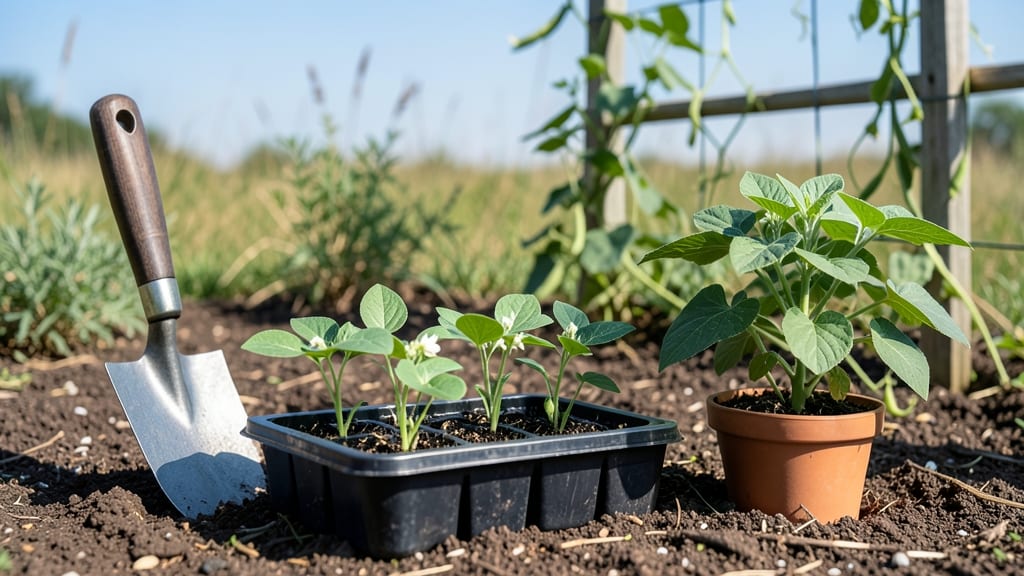
Planting green beans in Illinois at the right time means the difference between a bountiful harvest and a sad, wilted disappointment — especially when spring frosts linger or summer heat arrives too soon.
You’ve probably heard that green beans need warm soil, but in Illinois, where soil temperatures can swing wildly between 40°F and 80°F in a single week, timing isn’t just about the calendar. It’s about waiting for that 50°F trigger when the ground is finally ready.
Most gardeners in USDA Zones 5-6 aim for two windows: the first in late April to early May, just after the last frost, and a second chance in August for a fall harvest.
But without knowing your microclimate — whether you’re in Chicago’s cooler north or St. Louis’ slower-warming south — you might miss the boat.
Here’s how to nail those planting dates, match varieties to your soil’s mood swings, and stretch your harvest with succession planting tricks that actually work in Illinois’ short growing season.
Illinois green bean planting timeline: frost-free dates by region
Getting your green beans in the ground at the right time in Illinois means avoiding late spring frosts while ensuring soil warmth (at least 50°F) for germination. The state's three main regions—Northern (Chicago), Central (Springfield), and Southern (St. Louis)—have distinct frost-free windows that dictate your planting schedule.
Missing these windows can leave your beans struggling or worse, failing entirely.
In Illinois, green beans thrive best when planted either in late spring (after last frost) or early fall (before first frost). The key is knowing your region's average last frost date and soil temperature trends.
For example, Chicago's soil warms slower than St. Louis', so beans may need to wait weeks longer before planting. Let's break it down by region to help you plan.
Here’s the comparison-table for Illinois' three regions, showing last frost dates, soil temperature thresholds, and ideal planting windows for both spring and fall plantings. This will help you align your planting schedule with your local climate.
| Region | Average Last Frost Date | Soil Temp Threshold | Spring Planting Window | Fall Planting Window |
|---|---|---|---|---|
| Northern (Chicago) | April 25 - May 10 | 50°F+ (consistently) | May 15 - June 1 | August 1 - August 15 |
| Central (Springfield) | April 15 - April 25 | 50°F+ (consistently) | May 1 - May 15 | August 10 - August 25 |
| Southern (St. Louis) | April 1 - April 15 | 50°F+ (consistently) | April 20 - May 10 | August 5 - August 20 |
For Northern Illinois (Chicago area), wait until mid-May to plant, as soil temperatures often hover around 45°F in early spring. If you plant too early, seeds may rot in cold soil.
Use a soil thermometer to confirm 50°F+ before sowing. In Central Illinois (Springfield), you can start slightly earlier, around early May, but still monitor soil temps closely.
In Southern Illinois (St. Louis), the earliest planting window opens as early as late April, thanks to warmer soil. This region’s longer growing season also allows for a second fall planting in early August.
However, avoid planting too close to first frost (mid-October), as beans need 60+ days to mature.
If you're unsure about your local frost dates, check the Old Farmer’s Almanac or your local Cooperative Extension Service for updated forecasts. These resources provide hyper-localized data that can adjust your planting schedule by 1-2 weeks depending on microclimates in your area.
For example, urban areas like Chicago may experience urban heat islands, delaying frost slightly.
For fall plantings, aim to sow seeds 8-10 weeks before your region’s first frost. In Northern Illinois, this means early August, while Southern Illinois can push it to mid-August.
Fall beans benefit from cooler temperatures and often produce sweeter pods. Just be sure to harvest before hard frosts, as even light freezes can ruin tender pods.
Pro tip: Use black plastic mulch to warm soil faster in spring or row covers to extend fall harvests. These tricks can push your planting windows by 1-2 weeks in either direction, giving you more flexibility. Always pair these methods with consistent soil temperature checks to avoid surprises.
Remember, green beans are sensitive to cold, but they also struggle in extreme heat. In Southern Illinois, late summer plantings may need afternoon shade to prevent pods from toughening. Adjust your planting schedule based on your region’s heat and humidity trends to keep your beans productive.
By aligning your planting with these regional frost-free dates and soil temperature guidelines, you’ll maximize your green bean harvest and avoid common pitfalls like frost damage or poor germination. Happy planting! 🌱
Soil temperature & green bean variety matching guide
Illinois' soil temperature swings dramatically between regions, making variety selection your secret weapon for a bountiful harvest. Bush beans thrive when soil hits 50°F+, while pole beans need consistent 60°F+ to climb properly.
My Northern Illinois garden often waits until mid-May for safe planting, while Southern Illinois can start as early as April 15.
For early-season planting (April-May), prioritize cold-tolerant bush varieties like 'Blue Lake Bush' or 'Contender'. These handle 45-50°F soil better than most, giving you a head start. Pole beans like 'Kentucky Wonder' need warmer soil and should wait until late May when nighttime temps stay above 55°F consistently.
Don't overlook late-summer plantings for fall harvests! Heat-resistant varieties like 'Provider' or 'Blue Lake' can handle 85°F+ soil and still produce until first frost. I've had success sowing these in early August—just ensure your soil stays above 55°F and you provide consistent water during Illinois' dry spells.
Use a soil thermometer to avoid guessing—50°F is the magic number for bush beans, while pole beans need 60°F+ to support their vines. Northern Illinois gardeners should wait until mid-May when nighttime temps stabilize, while Southern Illinois can plant 3-4 weeks earlier thanks to warmer microclimates.
For pole beans, install trellises before planting—their vines grow aggressively and need support immediately. Bush varieties are more forgiving for beginners, maturing in 50-60 days compared to pole beans' 60-70 days. My Central Illinois garden always includes both types to extend the harvest season.
Pro tip: Mulch heavily after planting to maintain soil warmth. Straw or shredded leaves help retain moisture and keep roots 5-10°F warmer than ambient soil temps—critical during Illinois' unpredictable springs. 🌱