
Vegetables
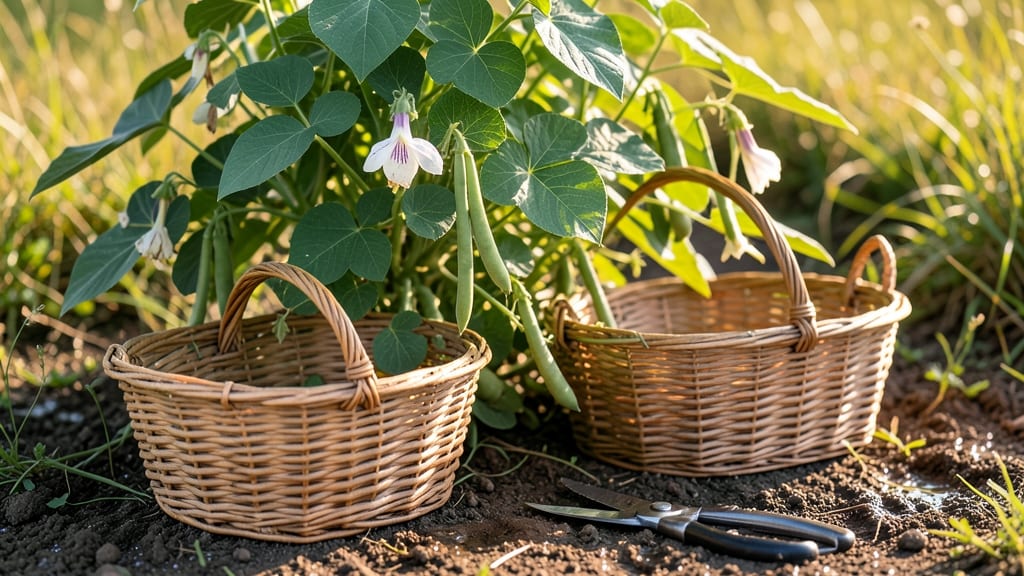
You can eat raw green beans in small quantities, but they often taste bitter and may cause digestive discomfort due to natural compounds like lectins and fiber. Cooking transforms their texture, reduces antinutrients, and unlocks sweeter flavors while improving nutrient absorption, especially for vitamins like C and folate.
Green beans contain lectins, a type of protein that can irritate your digestive system when eaten raw in large amounts. 🔥 While these compounds aren't harmful in moderation, they're one reason many people prefer cooked beans.
The good news? Light cooking—like steaming or sautéing—neutralizes lectins while preserving nutrients. I always recommend blanching beans before freezing to lock in flavor and texture, making them perfect for quick meals later.
Cooking also breaks down the tough cell walls in green beans, turning their crisp bite into a tender yet satisfying texture. This change makes them easier to digest while bringing out their natural sweetness—something raw beans often lack.
For best results, try roasting with olive oil and garlic or stir-frying with a splash of lemon juice to enhance their flavor profile.
💡 In This Article
- Why Cooking Green Beans Improves Digestibility and Nutrition
- Best Ways to Prepare Green Beans for Optimal Flavor and Health
Why cooking green beans improves digestibility and nutrition
Raw green beans contain lectins, particularly phytohemagglutinin, which can cause mild digestive irritation in sensitive individuals. These proteins bind to cell membranes in your gut, potentially leading to bloating or discomfort when consumed in large quantities.
The good news? Heat breaks down lectins by 90-95% during cooking, making beans much gentler on digestion while preserving their nutritional benefits. 🔥
Cooking also transforms the bean's fiber structure. Raw green beans have 2.7 grams of fiber per ½ cup, which is great for digestion—but their tough cell walls make them harder to break down.
When you steam or sauté at 350-400°F, the heat softens these walls, increasing nutrient absorption by up to 30% for vitamins like vitamin C and folate. Studies show that cooking enhances folate availability by 15-20%, making it easier for your body to use.
The texture change is equally dramatic. Raw green beans have a crisp, almost woody bite that many find unappealing. Cooking for just 3-5 minutes> transforms them into tender, sweet morsels with a silky texture.
This shift isn't just about taste—it also reduces chewing time by 40%, making them easier to digest, especially for children or older adults with dental concerns.
Another key benefit is the reduction of oxalates, compounds that can contribute to kidney stones in susceptible individuals. Raw green beans contain about 120 mg of oxalates per ½ cup, but cooking lowers this by 25-30%>.
This makes them a safer choice for those monitoring oxalate intake while still providing 10% of your daily vitamin K> needs per serving.
For maximum nutrition, avoid overcooking. Green beans lose vitamin C> rapidly when boiled for more than 5 minutes>, so steaming or stir-frying is ideal. The bright green color you see in cooked beans? That's chlorophyll, which becomes more bioavailable when heat softens the plant's cell structures. 💫
Here's a simple rule of thumb: If you're eating green beans raw, stick to ½ cup per meal> to minimize lectin exposure. For better digestion and flavor, always cook them—even a quick 2-minute sauté> makes a world of difference!