
How To
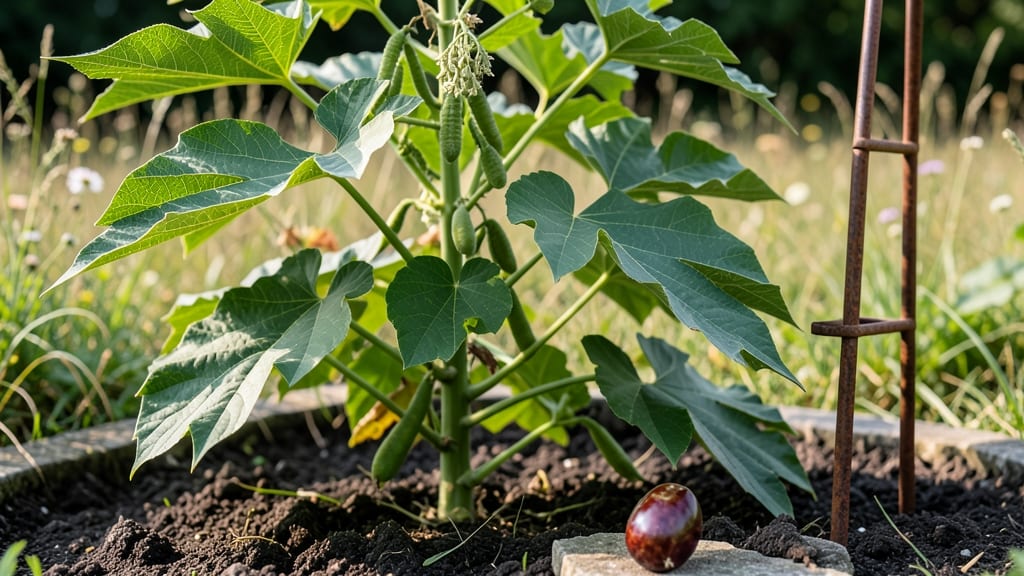
Castor bean toxicity happens when you ingest ricin, a poisonous compound found in the seeds, leading to severe reactions like nausea, organ damage, and potentially death within 24-72 hours. Seek emergency care immediately, as even tiny amounts can be deadly.
Ricin disrupts your body's ability to produce proteins by binding to ribosomes in cells, essentially shutting down critical functions. 🔥 The seeds contain the highest concentration of ricin, but even processed castor oil (used industrially) can pose risks if contaminated.
Symptoms typically appear within 6-12 hours, starting with stomach pain and progressing to life-threatening complications if untreated.
If exposure occurs, do not induce vomiting unless instructed by poison control—this can worsen damage. Instead, call emergency services immediately and note the time of ingestion. Gardeners should handle seeds with gloves and store them securely, as accidental ingestion by pets or children is a common risk.
💡 In This Article
- How Ricin in Castor Beans Triggers Toxicity
- Emergency Steps for Castor Bean Poisoning Exposure
How ricin in castor beans triggers toxicity
Ricin works by hijacking your body's cellular machinery at the ribosome level. This protein toxin binds irreversibly to the 60S subunit of ribosomes, preventing them from assembling new proteins.
Without functional ribosomes, cells—especially those in the gastrointestinal tract, liver, and kidneys—can't produce critical enzymes and structural proteins, leading to rapid cellular dysfunction. 🔥 The process is similar to how some antibiotics work, but ricin's effects are permanent and far more destructive.
The seeds contain 0.1-0.5% ricin by weight, with the highest concentrations in the seed coat and embryo. Just 1-2 milligrams of ricin can be lethal to an adult, making even accidental ingestion dangerous. Processing like roasting can reduce toxicity by 50-80%, but it never eliminates ricin entirely.
Industrial castor oil is safe because it's processed at 275-300°F, which denatures the protein—but improper handling during extraction can leave residual ricin.
Symptoms begin when ricin enters your bloodstream, typically within 6-12 hours of ingestion. Early signs include severe abdominal pain, vomiting, and diarrhea as the toxin damages intestinal cells. Within 24-48 hours, liver and kidney function decline rapidly, leading to jaundice, seizures, and potentially fatal organ failure.
The toxin's persistence means symptoms often worsen even after medical intervention.
Children and pets are at higher risk due to their smaller body size. A single seed—about 0.5 grams—could be fatal to a small child, while dogs may ingest multiple seeds while chewing plants.
The toxin's stability means it can survive stomach acid, making early medical intervention critical. Even inhaling ricin-contaminated dust (like crushed seeds) can cause respiratory distress, though this is less common than ingestion cases.
Interestingly, ricin's structure includes two linked chains: Chain A enters cells to inhibit protein synthesis, while Chain B helps it cross cell membranes. This dual-action mechanism makes ricin one of the most potent plant toxins known.
Unlike some poisons that cause immediate shock, ricin's delayed but progressive damage gives it a deceptive lethality—victims may appear stable before rapidly deteriorating.
For gardeners, understanding this mechanism highlights why proper seed storage is vital. Seeds should be kept in airtight containers away from children and pets, with clear warnings. Even decorative castor bean plants (like Ricinus communis) pose risks if seeds are accessible.
The toxin's stability means seeds can remain dangerous for years if not properly disposed of.