
Plants
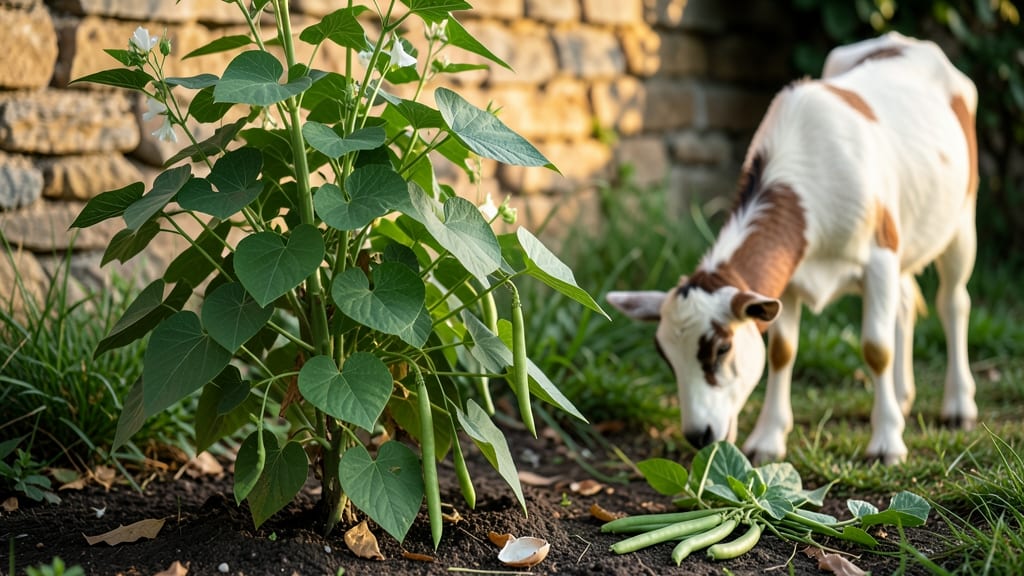
Goats can eat green bean plants in moderation, as the leaves and pods are non-toxic, but overconsumption may cause digestive upset. Always introduce new plants gradually and monitor for adverse reactions like bloating or diarrhea.
Green bean plants are generally safe for goats because they're low in toxins and provide fiber, but their oxalate content can cause issues if eaten in large amounts. 🌱 I've seen goats happily nibble on green bean leaves and pods, but always pair them with other forage like grass or hay to balance their diet.
The key is moderation—what matters most is how you introduce new plants to their diet.
For gardeners, this means you can let your goats browse green beans without worry, but don't rely on them as a primary food source. Instead, use them as a supplement to their regular diet.
Always watch for any signs of digestive discomfort, which might show up as changes in their droppings or reduced appetite.
💡 In This Article
- Nutritional Safety of Green Beans for Goats
- Best Garden Plants for Goat Grazing
Nutritional safety of green beans for goats
Green bean plants are generally safe for goats because they contain minimal toxins and provide valuable dietary fiber.
The leaves and pods are particularly rich in cellulose, which aids digestion by promoting healthy gut motility. 🌿 What's more, green beans offer small amounts of essential vitamins like vitamin K (important for blood clotting) and vitamin C (boosting immune function).
However, the real concern lies in their oxalate content, which—while present in low levels—can bind with calcium in a goat's digestive system if consumed in excessive quantities.
Goats can safely eat approximately 10-15% of their daily diet as green bean plants, with the rest consisting of grass, hay, or other forage. For an average adult goat weighing 150 pounds, this translates to roughly 1-2 cups of green bean leaves or pods per day.
The fiber content helps prevent digestive issues, but the oxalates can accumulate in the kidneys if overconsumed, leading to potential mineral imbalances over time. Always introduce green beans gradually to allow the goat's system to adapt.
One of the biggest risks isn't toxicity but digestive upset from sudden dietary changes. Goats have sensitive stomachs that thrive on consistency.
If you notice your goat munching on green beans, watch for signs like soft or watery stool, bloating, or reduced appetite—these could indicate their system is struggling to process the oxalates. 🐐 A sudden increase in green bean consumption might also lead to gas buildup, which can cause discomfort or even more serious issues like bloat if left unchecked.
The pods themselves are generally safer than the leaves, which contain slightly higher oxalate levels. However, the difference is minimal, so it's best to treat both parts as equally safe in moderation.
What sets green beans apart from other garden plants is their low risk of causing acute poisoning, unlike tomatoes or potatoes, which contain solanine—a toxin that can be deadly in large amounts.
This makes green beans a much more forgiving option for gardeners who want to share their harvest with their goats.
For context, compare green beans to other common garden plants goats can eat: alfalfa (high in protein but can cause bloat), dandelions (nutrient-rich but may contain small amounts of latex), and clover (safe but can be too rich for some goats).
Green beans fall somewhere in the middle—safe enough for occasional browsing but not a staple. Their mild flavor and texture make them an easy addition to a goat's diet, as long as you keep portions reasonable.
To maximize safety, always pair green beans with other forage types. A mix of grass hay, alfalfa, and green beans creates a balanced diet that reduces the risk of oxalate buildup.
If you're introducing green beans to a goat's diet for the first time, start with just a few leaves or pods per day and gradually increase the portion over 5-7 days while monitoring their health closely.
This slow introduction helps prevent digestive shock and ensures their system can handle the new addition.