
Companion Plants
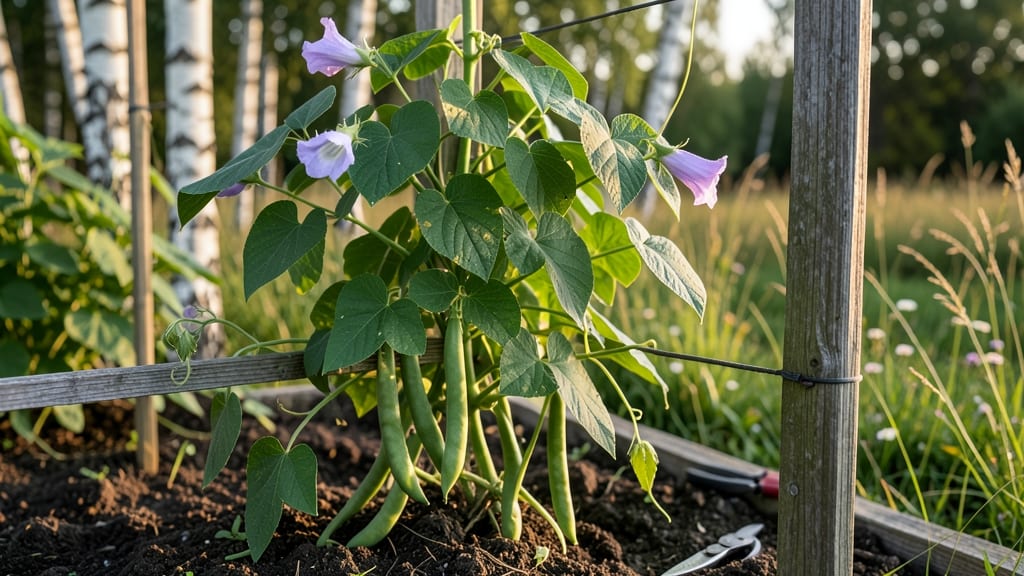
Climbing French beans transform a small corner into a high-yielding green factory—no sprawling vines, just vertical abundance. 🌱 I’ve watched these plants turn a 3-foot square of space into a pole covered in pods, all while saving my back from bending over rows.
The secret isn’t fancy equipment; it’s knowing how to coax those tendrils upward with the right support and care. Start with well-draining soil mixed with compost, then plant seeds 1 inch deep and 4 inches apart.
Use sturdy trellises, bamboo stakes, or even chicken wire—just make sure they’re tall enough (6+ feet) to handle the plant’s growth. Water consistently at the base, avoiding wetting the leaves to prevent disease, and watch those vines climb within weeks.
The first pods appear in 60-70 days, and if you keep harvesting, the plant keeps producing. What you’ll end up with is a neat, productive vertical garden that outpaces bush varieties in both yield and ease.
The pods stay cleaner, pests have fewer hiding spots, and you’ll harvest 2-3 times more than from sprawling plants. Plus, the sight of fresh-picked beans straight from your trellis beats anything store-bought. Works in containers, raised beds, or directly in the ground—just adapt the support to your space.
Here’s how to make it work without the common pitfalls that trip up beginners.
📚 In This Guide
- What you need
- Instructions
- Tips and common mistakes
- Wrapping up and next steps
What you need
- ● Climbing French Bean Seeds: 10–20 seeds (depending on desired yield; opt for heirloom varieties like ‘Kentucky Wonder’ or ‘Scarlet Runner’ for extra flavor and beauty).
- ● Trellis or Support Structure: Bamboo stakes (5–6 ft tall, 3–4 stakes per plant)
- ● OR a sturdy A-frame trellis (6–8 ft tall)
- ● OR a wire mesh fence (for larger-scale gardens)
- ● Well-Draining Potting Mix: 5–10 gallons (sterile, organic mix with compost for nutrients).
- ● Containers or Garden Bed: Large pots (12+ inches deep, with drainage holes)
- ● OR raised beds (minimum 12 inches deep)
- ● Fertilizer: Balanced organic fertilizer (5-5-5 or 10-10-10 NPK ratio) or compost tea.
- ● Watering Can or Hose with Nozzle: For gentle, deep watering.
- ○ Twine or Soft Plant Ties: To secure vines to trellises (optional but helpful for windy areas).
- ● Mulch (straw or shredded leaves) to retain moisture and suppress weeds.
- ● Epsom salt (1 tbsp per gallon of water) for magnesium boosts during flowering.
- ● Companion plants like marigolds or nasturtiums to deter pests.
- ● Shade cloth (30–50%) for hot climates to prevent wilting.
- ● Pruning shears for trimming excess foliage or dead vines.
How to grow climbing French beans vertically for maximum yield
Here's how I transform a small corner into a productive pole bean jungle—no sprawling vines, just upward growth and endless pods.
🪴 Step 1: Choose and Set Up Your Vertical Support
Start with a sturdy trellis or pole system at least 6 feet tall—French beans need vertical space to climb. I use 3-inch diameter bamboo poles or a metal A-frame trellis because they won’t rot in summer heat. Space poles 18-24 inches apart in a row to create a climbing pathway for vines.
Drive poles 12-18 inches deep into the soil or secure them firmly in containers. For containers, use stakes with wire loops at the top to anchor vines. The deeper the support, the more stable it stays when vines get heavy with pods. I always test stability by gently pushing—if it wobbles, add more stakes.
🌱 Step 2: Plant Seeds at the Right Depth and Spacing
Sow 4-5 seeds per pole (you’ll thin later) about 1 inch deep and 2 inches apart in a small circle around the base. French bean seeds need warmth to germinate—wait until soil reaches 60°F or warmer. I cover the seeds with ¼ inch of fine soil and water gently to avoid displacing them.
Plant seeds 3-4 weeks after your last frost date when nighttime temperatures stay above 50°F. If your area has cool springs, use black plastic mulch to warm the soil faster. You’ll see sprouts in 7-14 days—watch for the first true leaves (not the initial seed leaves) before thinning.
✂️ Step 3: Train Vines and Prune for Airflow
When vines reach 6 inches tall, gently guide the strongest stem up the trellis using soft twine or plant ties. Avoid wrapping too tightly—you want the vine to grow, not strangle. I tie vines at 12-inch intervals to encourage upward growth and prevent tangling.
Prune side shoots below the first 6 leaves to focus energy on the main stem and upward growth. This prevents overcrowding and improves airflow, which reduces disease risk. You’ll know you’re doing it right when the main vine climbs steadily toward the top of the support.
💧 Step 4: Water and Fertilize for Continuous Production
Keep soil evenly moist but not soggy—French beans need 1-1.5 inches of water per week, delivered at the base to avoid wetting leaves (which spreads disease). I water in the early morning so foliage dries quickly. Mulch with straw or grass clippings to retain moisture and suppress weeds.
Fertilize lightly with a balanced 10-10-10 formula when flowers appear, but avoid high-nitrogen feeds—too much greenery means fewer pods. You’ll see white flowers transform into pods 50-60 days after planting. Harvest pods when they’re 4-6 inches long for best flavor—this encourages the plant to keep producing.
☀️ Step 5: Monitor for Pests and Adjust Support as Needed
Check vines weekly for bean beetles or aphids—spray with neem oil if you spot clusters. I also watch for powdery mildew (white dust on leaves) and remove affected leaves immediately. Healthy vines should have deep green leaves and firm stems—yellowing or wilting means it’s time to water or adjust support.
As pods get heavier, reinforce the trellis with additional ties every 2 feet. A well-supported vine will climb to the top of a 6-foot trellis in 6-8 weeks, producing pods all season long. When harvests slow in late summer, let a few pods mature fully on the vine for seeds to save for next year.
Tips & tricks for perfect vertical French bean growth
Here's what nobody tells you about maximizing your climbing bean harvest—these are the details that turn good plants into prolific producers.
Support Stability Secret: The 6-foot trellis height is perfect, but the real game-changer is how you secure it. I've learned the hard way that bamboo poles need extra reinforcement when vines reach the top. After my first harvest nearly toppled a trellis, I started using two stakes per pole—one at the base and one halfway up. This creates a triangle effect that handles the weight of heavy pods without bending. Test your setup by gently tugging before planting—if it wobbles, add more stakes or switch to metal supports.
Timing is Everything: Those 50-60 days to first harvest might seem like a long wait, but you can actually speed things up slightly in warm climates. If your soil stays above 60°F consistently and nights stay above 50°F, you might see pods in as little as 45 days—just monitor your plants closely. The key is planting 3-4 weeks after last frost when soil warmth triggers germination. I've had success using a soil thermometer to confirm 60°F before planting, especially in cooler regions.
Pruning for Productivity: The instructions mention pruning side shoots below the first 6 leaves, but here's the part they skip: you're actually creating a "main stem highway" for your beans. When you remove those side shoots, you're directing all the plant's energy upward where it belongs. I've found that vines pruned this way can climb 12 inches per week during peak growth, reaching the top of a 6-foot trellis in just 6 weeks instead of 8. Just be patient—don't rush to prune until you see those first true leaves appear.
Watering Wisdom: That 1-1.5 inches of water per week guideline is spot-on, but the real trick is when you deliver it. I water mine deeply every other morning rather than daily shallow watering. This encourages roots to grow deeper, making plants more stable and drought-resistant. The early morning timing also gives foliage time to dry completely, which prevents powdery mildew—the bane of vertical bean gardens. Mulching with straw helps maintain that moisture level while keeping weeds at bay.
Pro Tips for Climbing French Bean Plants
- Here's what nobody tells you about maximizing your climbing bean harvest—these are the details that turn good plants into prolific producers.
- Support Stability Secret: The 6-foot trellis height is perfect, but the real game-changer is how you secure it.
- Timing is Everything: Those 50-60 days to first harvest might seem like a long wait, but you can actually speed things up slightly in warm climates.
Frequently asked questions
Got questions about growing climbing French beans?
Here are answers to the most common ones—so you can tackle your vertical garden with confidence!
How do I train climbing French beans to grow vertically?
Use sturdy trellises, poles, or cages (4–6 feet tall) to guide vines upward. Plant seeds near the support and gently weave new growth around it as they grow. Avoid tying vines tightly—they’ll break. Prune side shoots to encourage upward growth. Pro tip: Start training early (when plants are 6–8 inches tall) to avoid tangled messes!
When is the best time to plant climbing French beans?
Wait until after the last frost (soil temp ≥ 60°F) and 2–3 weeks after direct sowing other warm-season crops (like corn or cucumbers). In cooler climates, use black plastic mulch to warm the soil. Pro tip: Avoid planting in summer heat—beans prefer mild temps (65–80°F) for best yields.
Can I grow climbing French beans in containers?
Yes! Use deep containers (12+ inches) with drainage and a sturdy trellis or A-frame support. Opt for bush varieties if space is tight, but climbing types thrive in pots too. Just ensure they get 6+ hours of sun and regular watering. Pro tip: Mix compost into soil for nutrient-rich growth!
What pests or diseases should I watch for?
Common threats include bean beetles, aphids, and powdery mildew. Handpick beetles, spray neem oil for aphids, and improve airflow to prevent mildew. Rotate crops yearly to avoid soil-borne diseases. Pro tip: Plant marigolds or nasturtiums nearby to deter pests naturally!
How do I harvest climbing French beans for the best flavor?
Pick beans when pods are 4–6 inches long and tender (before seeds bulge). Harvest every 2–3 days to encourage more production. Use pruners or snip with scissors to avoid damaging vines. Pro tip: Store in the fridge for up to 5 days or freeze for long-term use!
Wrapping up and next steps
Growing climbing French bean plants is a game-changer for small gardens or urban spaces—offering bountiful harvests without sacrificing precious ground area! 🌱 With the right trellis, companion plants, and care, you’ll enjoy delicious, nutrient-packed pods while keeping pests at bay. Ready to transform your vertical space?
Your next step? Pick your favorite variety, gather supplies, and start climbing! Whether you’re a beginner or seasoned gardener, these space-saving beans will reward you with flavor and sustainability—one vine at a time. Happy planting! 🌿