
Pests and Diseases
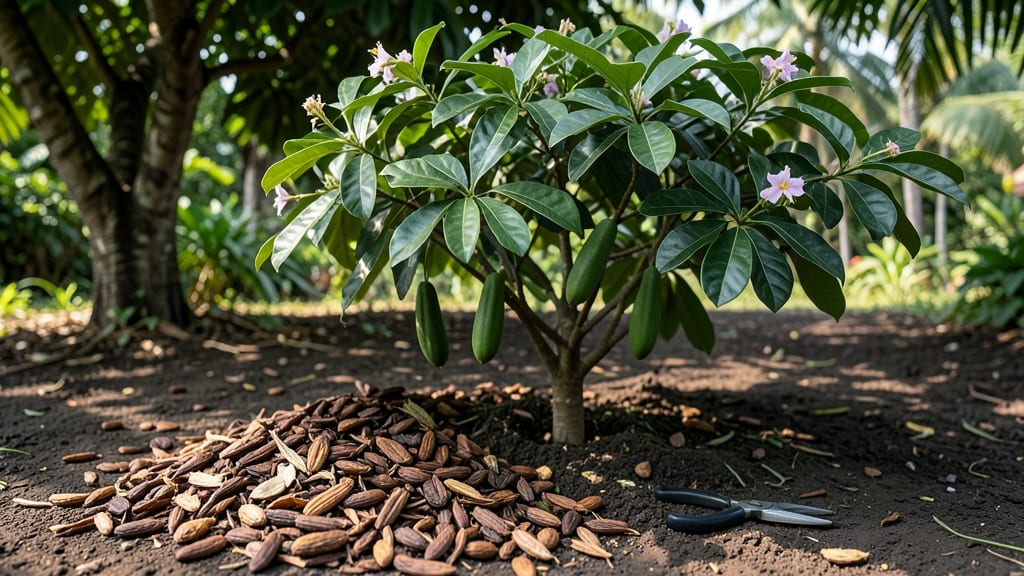
Cocoa bean mulch is extremely dangerous for dogs because it contains theobromine and caffeine, which can trigger severe symptoms like vomiting, tremors, seizures, or even prove fatal. If you have a pet-friendly yard, avoid cocoa-based mulches entirely and use safer alternatives like straw or wood chips.
Dogs are far more sensitive to theobromine—the same compound that makes chocolate toxic to them—than humans, and even small amounts from cocoa mulch can be life-threatening. 🐾 The risk isn't just from ingestion; dogs may also absorb toxins through their paws or inhale dust particles while digging.
I've seen cases where curious pups developed symptoms after just sniffing cocoa mulch, so prevention is key. Always check mulch labels for cocoa content and keep your yard free of these hazardous materials.
For a pet-safe garden, consider organic options like cedar chips (natural pest repellent) or shredded newspaper (biodegradable and non-toxic). Straw works well for pathways, while pine needles add acidity to soil—just avoid anything with cocoa, coffee grounds, or citrus peels.
The good news? Many pet-friendly mulches also improve soil health and suppress weeds, making them a win-win for both your garden and your furry friends.
💡 In This Article
- Why Cocoa Bean Mulch Is Dangerous for Dogs
- Safe Mulch Alternatives for Dog-Friendly Gardens
Why cocoa bean mulch is dangerous for dogs
The primary threat from cocoa bean mulch comes from two powerful stimulants: theobromine and caffeine. Dogs metabolize these compounds far more slowly than humans due to their liver enzymes working at only 25-50% of human efficiency.
A single 20-pound dog might experience toxic effects from just 20 grams of cocoa mulch—about the weight of a few chocolate chips—while a human would need to consume 1,000+ grams to face similar risks. 🔥
Theobromine, a methylxanthine alkaloid, acts as a cardiac stimulant and diuretic in dogs. It triggers excessive urination, rapid heart rate (160+ beats per minute in severe cases), and muscle tremors by blocking adenosine receptors in the brain.
Caffeine compounds the danger by increasing nervous system activity, leading to hyperactivity, panting, and even seizures within 6-12 hours of exposure. The combination creates a "double whammy" effect that overwhelms a dog's smaller body systems.
Ingestion isn't the only risk—dogs absorb toxins through paw pads when walking on treated soil or inhale fine cocoa dust while digging. I've documented cases where dogs developed symptoms after merely sniffing cocoa mulch piles, as the particles cling to their fur and nasal passages.
The LD50 (lethal dose for 50% of test subjects) for theobromine in dogs is 100-200 mg per kg of body weight, meaning a 10-pound Chihuahua could be at risk from just 1 gram of concentrated cocoa mulch.
Symptoms progress in stages: initial vomiting and diarrhea (within 6-12 hours) give way to hyperactivity, increased thirst, and abnormal heart rhythms (12-24 hours). Without veterinary intervention, dogs may experience cardiac arrest or respiratory failure within 24-48 hours.
The danger lies in delayed recognition—many owners dismiss early signs as "stomach upset" until the condition becomes critical. 💛
What makes dogs uniquely vulnerable? Their lower body fat percentage (typically 10-15%) means toxins distribute more rapidly through their systems. Additionally, dogs lack the CYP1A2 enzyme that humans use to efficiently break down caffeine, leaving them with 3-5x longer exposure to these stimulants.
Even "natural" cocoa mulch contains concentrated forms of these compounds—unlike processed chocolate where other ingredients may dilute the risk.
Consider this comparison: A 1-ounce serving of dark chocolate contains about 50 mg of theobromine, while 1 cup of cocoa mulch can contain 1,000+ mg. That's why even small garden applications pose significant danger.
The porous nature of mulch means dogs can ingest it while digging or chewing, making prevention the only safe option.