
Companion Plants
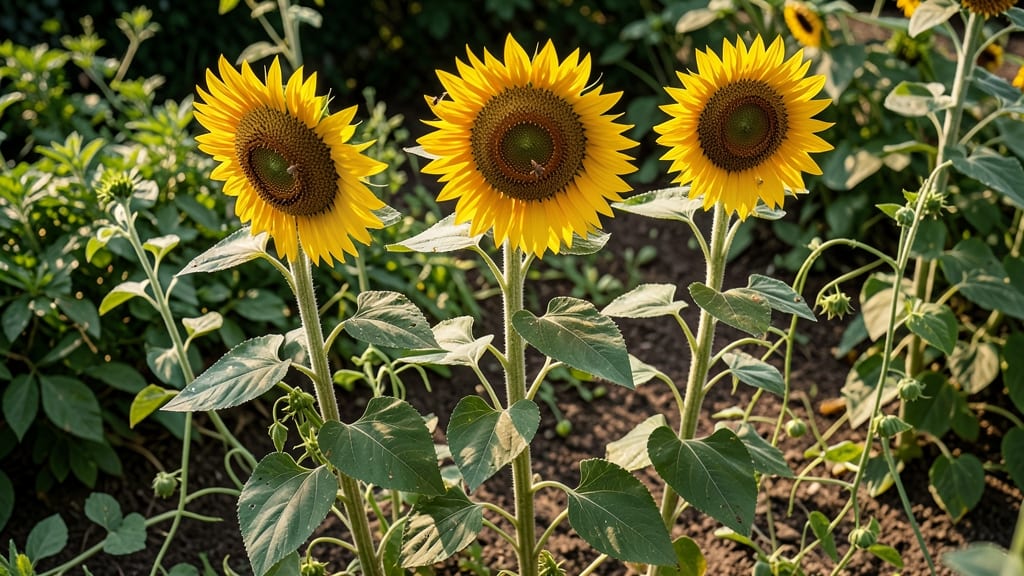
Want to maximize your bean and pea harvest while keeping pests at bay? Companion planting these legumes with the right plants creates a thriving garden ecosystem that naturally improves soil, repels insects, and enhances flavor.
Corn for Natural Trellis Support
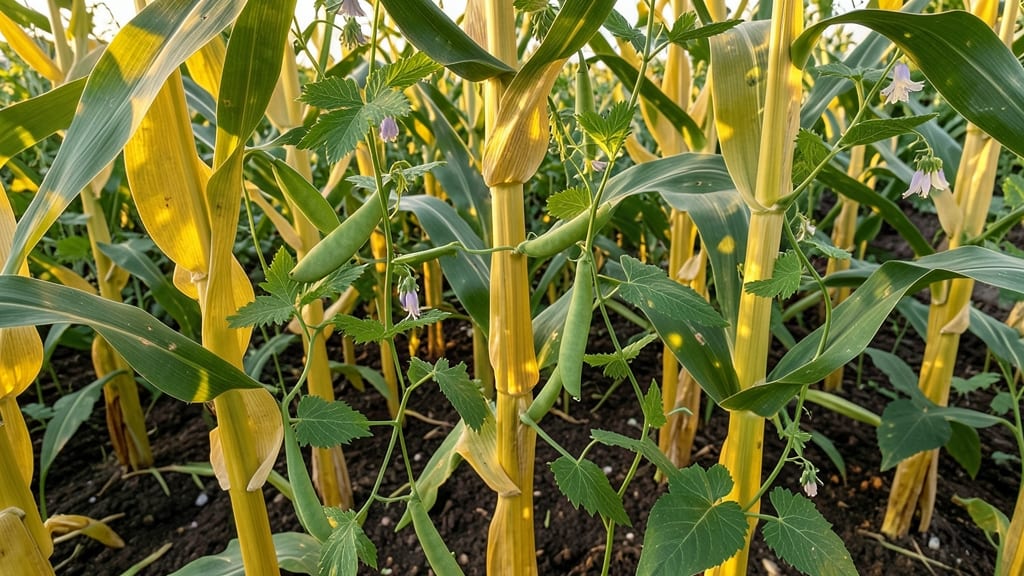
Turn your garden into a vertical paradise by letting corn double as a natural trellis for climbing beans and peas. This three-dimensional growing system saves space while creating a mutually beneficial relationship between crops—no extra stakes or supports needed!
Plant corn in rows with beans or peas nearby, allowing the vines to naturally climb the stalks as they grow. The corn's deep roots also improve soil aeration, creating healthier conditions for your legumes. For best results, choose early-maturing varieties like 'Early Sunglow' (60 days) to ensure both crops reach maturity in the same season.
This pairing is ideal for small gardens, urban containers, or anyone looking to maximize harvests without sacrificing space. The corn's shade also helps conserve moisture for your peas and beans during hot spells. 🌱
Carrots to Confuse Root Maggots
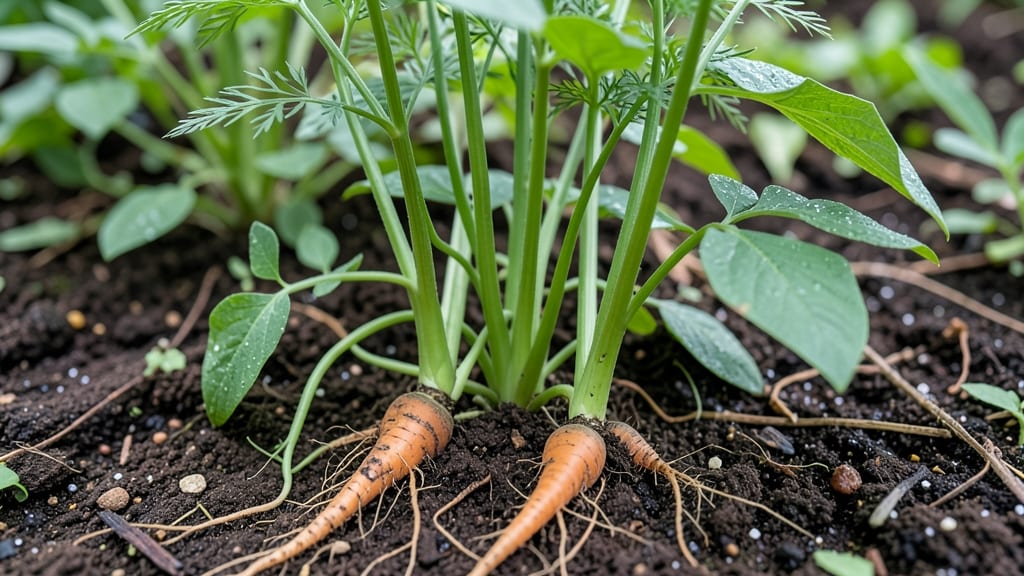
If you’ve ever lost pea plants to root maggots, carrots might be your secret weapon. Their deep, taproot system doesn’t just improve soil structure—it confuses the life cycle of root maggots, luring them away from your peas and beans while aerating the soil for healthier growth.
Plant carrots alongside peas in early spring, spacing them about 6 inches apart to avoid root competition. The maggots, attracted to the carrots’ roots, lay eggs there instead of near your peas, breaking their pest cycle naturally. Plus, carrots thrive in cool weather, making them perfect companions for early pea harvests.
This pairing is especially valuable for gardeners in small spaces or raised beds, where pest pressure is highest. By adding carrots, you create a two-for-one defense system—better soil and fewer pests—without chemicals. 🌱
Cucumbers for Pest-Repelling Leaves
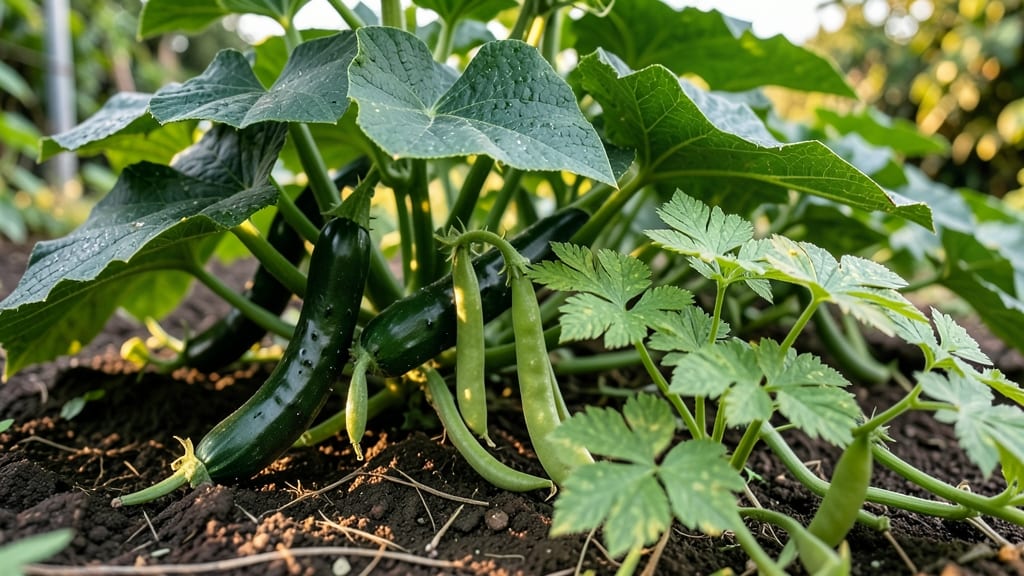
If you're struggling with Mexican bean beetles munching on your beans, cucumbers might be the unexpected solution. Their strong, pungent leaves confuse pests by masking the scent of your legumes while providing a living mulch that keeps soil moist during hot spells.
Plant cucumber vines near bush beans to create a natural pest barrier—their sprawling growth habit also shades the soil, reducing evaporation and suppressing weeds. For best results, choose compact varieties like 'Bush Champion' to avoid overcrowding, and train vines along a trellis to maximize space efficiency. This pairing works especially well in container gardens or small plots where every inch counts.
Urban gardeners and beginners will love this low-maintenance combo—just be sure to harvest cucumbers regularly to encourage continuous leaf production. The dual benefits of pest control and moisture retention make this one of the most practical companion plantings for beans. 💚
Onions to Ward Off Aphids
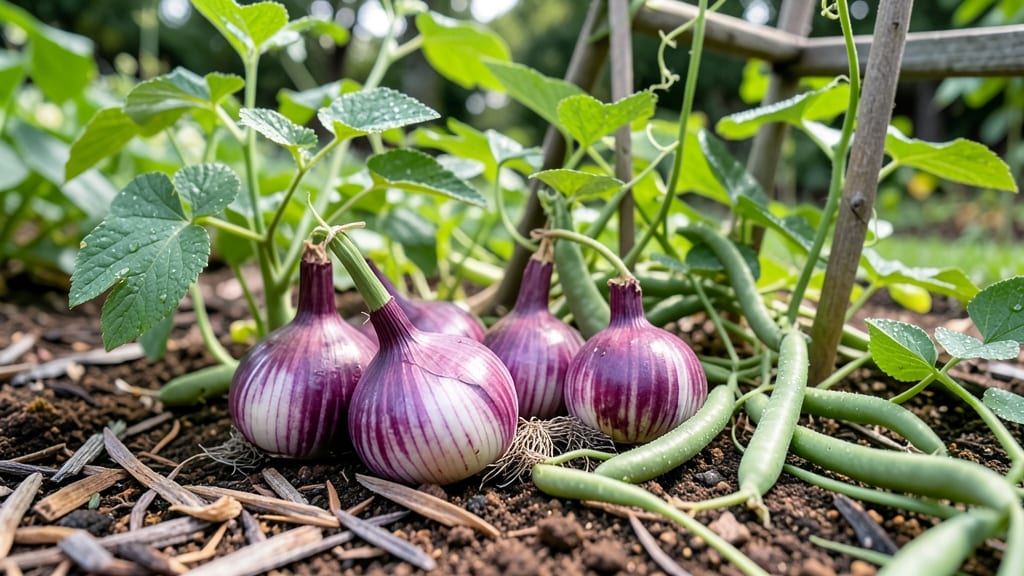
If aphids are ruining your bean and pea harvests, onions might be your secret weapon. These pungent plants don’t just repel pests—they actively deter aphids with their natural sulfur compounds, which are toxic to these common garden invaders.
Plant onions around the base of your peas and beans to create a protective barrier. Their bulbous roots also break up compacted soil, improving conditions for the nitrogen-fixing nodules that help legumes thrive. For best results, interplant them in early spring before aphids become a major issue.
This pairing is especially helpful for small-space gardeners or those growing in containers, as onions take up minimal room while delivering big pest control benefits. 🌱
Potatoes for Weed Suppression
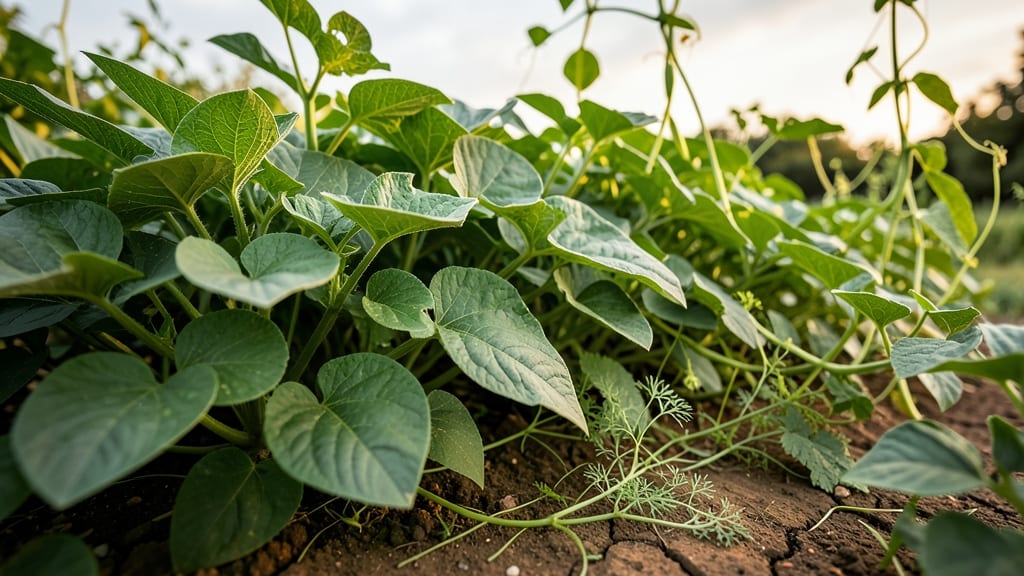
Tired of battling weeds that steal nutrients from your beans and peas? Planting potatoes nearby creates a natural weed barrier while boosting your legume harvest—no extra effort required.
The broad leaves of potato plants form a dense canopy that blocks sunlight from reaching weeds, smothering them before they compete for water and nutrients. Meanwhile, your beans and peas benefit from the nitrogen-rich soil created by their root nodules, which potatoes absorb through their tubers. This dynamic duo works especially well in raised beds or container gardens where space is limited but weeds thrive.
This pairing is ideal for gardeners who want low-maintenance weed control without chemicals, while also improving soil fertility for future crops. 🌱
Marigolds for Natural Pest Deterrent
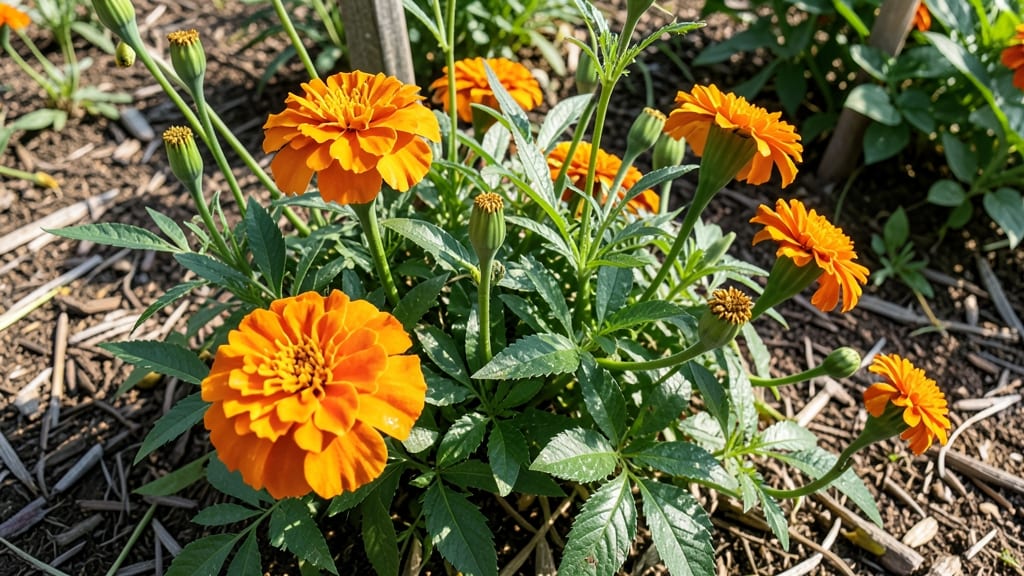
If you're tired of battling pests like Mexican bean beetles or root-knot nematodes in your bean and pea patches, marigolds might be your secret weapon. Their signature scent isn't just pretty—it's a natural pest deterrent that works on multiple levels, creating a safer environment for your legumes.
Marigolds release compounds that repel nematodes and beetles while simultaneously attracting beneficial predatory wasps that hunt bean pests. Plant them in borders around your bean and pea beds or intersperse them every 18-24 inches for maximum protection. The bright French marigold varieties (like 'Bonanza' or 'Tangerine') work best, as their strong fragrance is most effective against soil-borne pests.
This low-maintenance solution is perfect for container gardeners, small-space growers, or anyone looking to reduce chemical use. Plus, their cheerful blooms add color while keeping your crops thriving. 🌻
Radishes for Early Pest Prevention
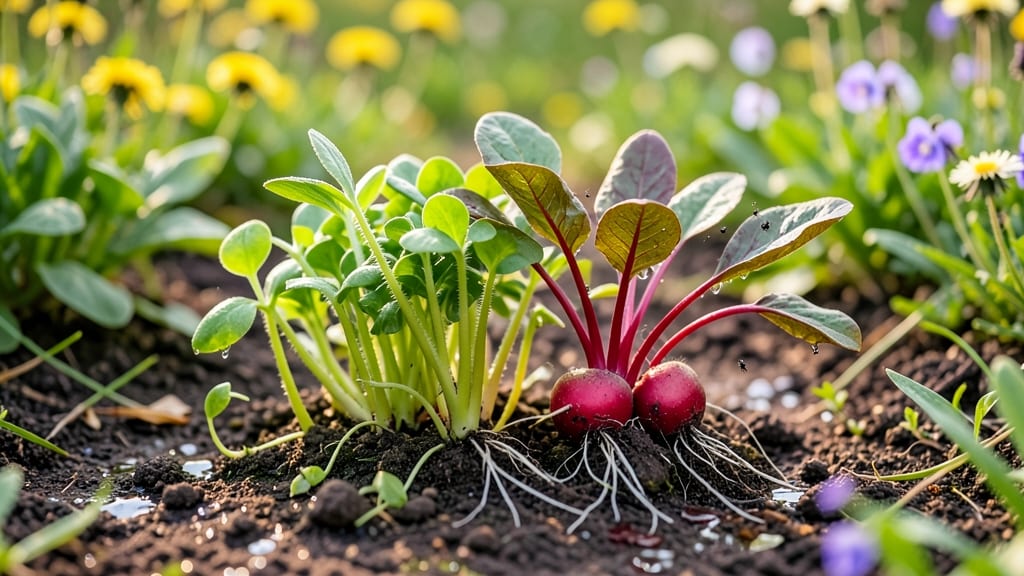
Early spring pests can devastate your peas and beans before they even get established—but there's a simple, fast solution: radishes. These speedy growers act as sacrificial decoys, luring flea beetles away from your precious legumes while their roots work underground to create ideal conditions for planting.
Sow radish seeds 2-3 weeks before your peas and beans, choosing quick-maturing varieties like 'Cherry Belle' or 'Easter Egg.' Their deep taproots break up compacted soil, improving drainage and aeration for legume roots. By the time flea beetles discover your radishes, your beans and peas will be well on their way to robust growth.
This early-season strategy is perfect for gardeners in cooler climates or those with short growing seasons. Plus, you'll get a bonus harvest of fresh radishes before they bolt—making it a win-win for both your pest control and your plate. 🌱
Basil to Enhance Flavor and Health
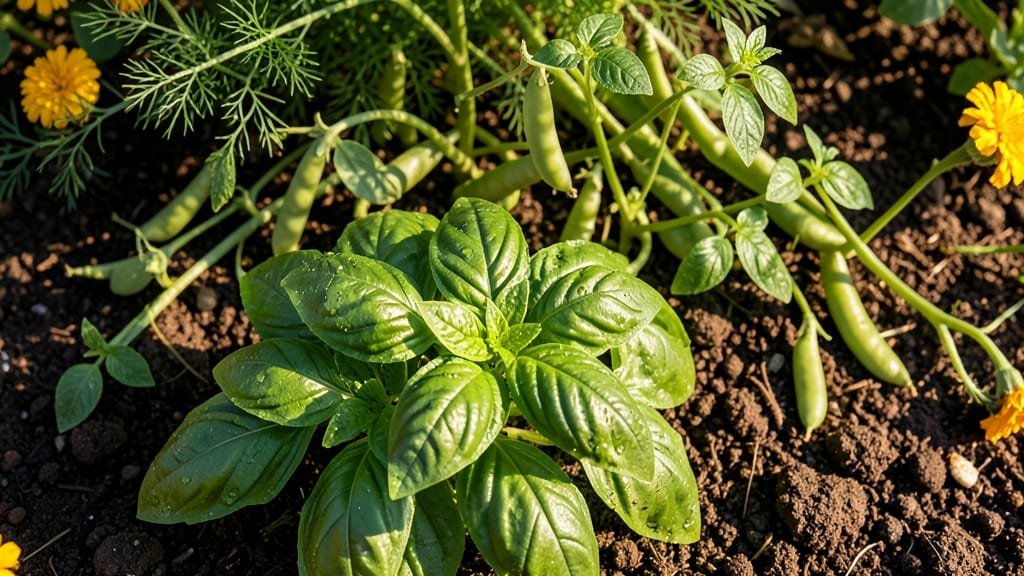
If you love fresh basil in your kitchen, you’ll be thrilled to know it’s also a powerful ally for your bean and pea crops. This fragrant herb doesn’t just repel thrips and whiteflies—it actually boosts the flavor of both legumes, making your harvest taste even sweeter and more aromatic.
Plant basil near your beans and peas to create a natural pest barrier while enhancing their taste. The aromatic oils in basil leaves deter pests like whiteflies, which can devastate young plants, and its presence improves the flavor profile of nearby legumes. For best results, space basil plants 12-18 inches apart from your beans and peas, ensuring they get plenty of sunlight (6-8 hours daily) and well-draining soil.
This pairing is perfect for kitchen gardeners who want both pest control and culinary benefits in one compact space. Whether you’re growing in containers or raised beds, basil’s dual role makes it a must-have companion. 🌿
Spinach for Soil Nitrogen Balance
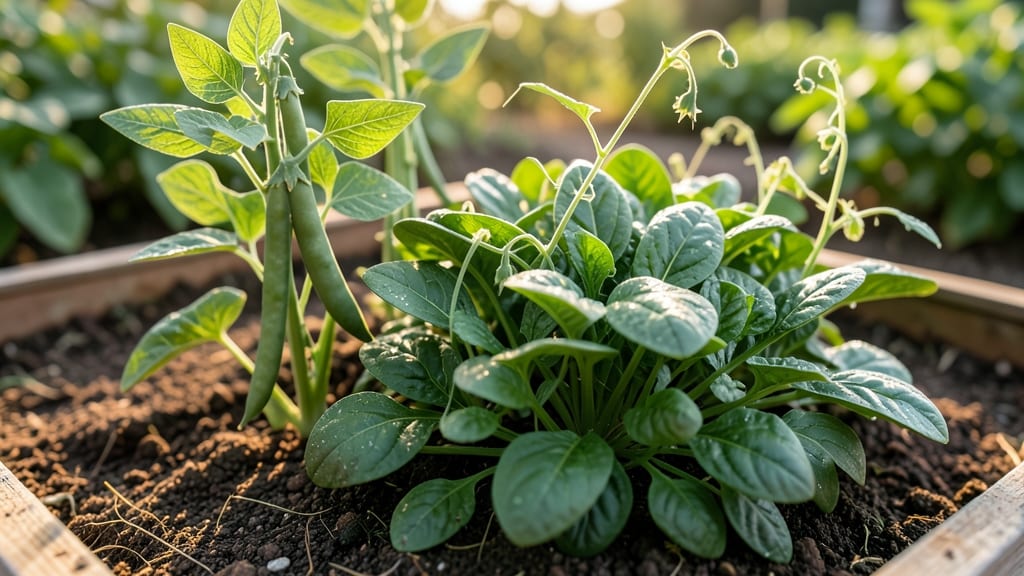
If your beans are fixing too much nitrogen and your peas are struggling in dry spells, spinach might be the unsung hero of your garden trio. This leafy green doesn’t just add nutrients to your salads—it acts as a natural soil regulator and moisture retainer for your legume companions.
Spinach’s shallow roots soak up excess nitrogen released by beans, preventing over-fertilization that can stunt pea growth. Meanwhile, its dense foliage forms a living mulch that locks in soil moisture during dry periods, giving pea plants a steady water supply. Plant spinach between rows of beans or near pea trellises for a triple benefit: balanced soil, reduced watering needs, and continuous harvests.
This pairing is perfect for gardeners who want low-maintenance, nutrient-smart plantings—especially in containers or small spaces where every inch counts. 🌱
Sunflowers for Pollinator Attraction

If you're looking for a dramatic way to boost your bean and pea harvest while adding height and color to your garden, sunflowers are the answer. These towering beauties aren’t just eye-catching—they’re hardworking pollinator magnets that turn your garden into a buzzing ecosystem.
Plant sunflowers along the back of your pea and bean beds to attract bees, butterflies, and other pollinators that increase fruit set and yield. Their 6-foot stalks also act as natural windbreaks, shielding delicate pea flowers from storm damage while providing shade for soil moisture retention. Choose dwarf varieties like 'Teddy Bear' for smaller spaces or let 'Mammoth' varieties reach their full height for maximum impact.
This pairing is perfect for gardeners who want low-maintenance beauty with functional benefits. Plus, sunflower seeds are a bonus harvest! 🌻