
Vegetables
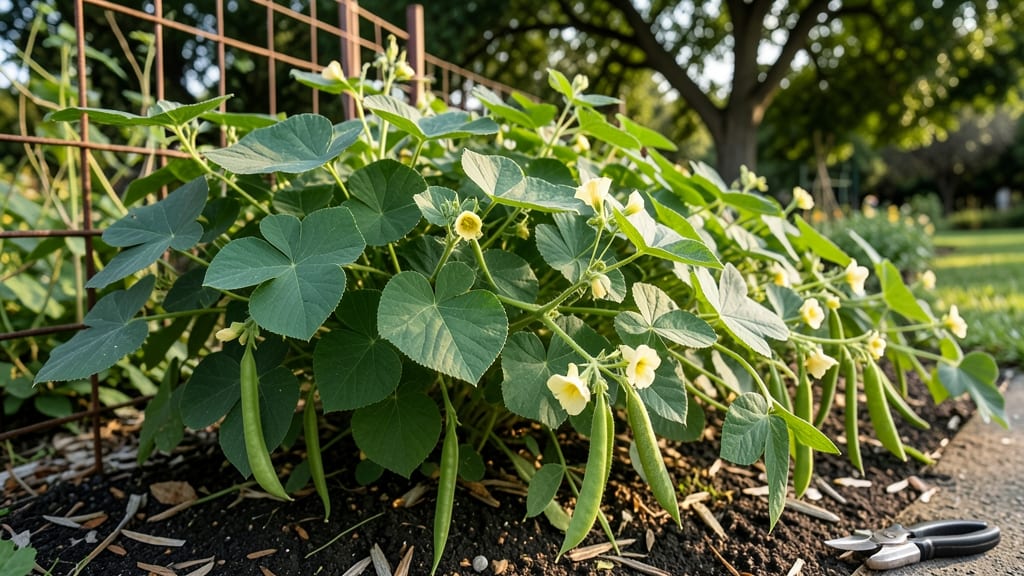
Cow pea beans sprout in 3-5 days—the fastest beans I’ve ever grown. 🌱 That speed makes them perfect for impatient gardeners or anyone who wants a quick harvest. I’ve planted them in everything from raised beds to containers, and they thrive where slower beans fail.
The secret to their speed? Warm soil and consistent moisture. They love sunny spots (6+ hours of direct sun daily) and well-draining soil with a pH between 5.8 and 7.0.
Unlike many beans, they tolerate poor soil better than most, so don’t stress about perfection—just clear weeds and loosen the top 6 inches. You’ll see those first green tendrils pushing through the soil in less than a week, and harvest begins just 6-8 weeks after planting.
The more you pick, the more they produce—unlike some beans that slow down. Just watch for spider mites and aphids, which love the tender young leaves. These beans adapt to almost any garden spot, from full sun to partial shade.
Perfect for beginners or anyone short on time—just plant, wait a week, and enjoy the harvest!
📚 In This Guide
- What you need
- Instructions
- Tips and common mistakes
- Wrapping up and next steps
What you need
- ● Cow pea bean seeds: 50–100 seeds (varies by harvest size; opt for heirloom varieties like Purple Hull or California Black-Eyed for best results).
- ● Growing space: Direct sowing: 6–12 inches between seeds, rows 3 feet apart.
- ● Containers: At least 12-inch-deep pots (2–3 seeds per container).
- ● Well-draining soil: Mix garden soil with compost (ratio 2:1) or use potting mix for containers. Cow peas thrive in slightly acidic to neutral soil (pH 5.8–7.0).
- ● Watering can or hose: With a gentle spray nozzle for consistent moisture.
- ○ Stakes or trellis (optional but helpful): 4–6 foot tall for climbing varieties like Purple Hull.
- ● Mulch (straw or grass clippings) to retain moisture and suppress weeds.
- ● Organic fertilizer (low-nitrogen, like 5-5-5) for soil enrichment.
- ● Seedling heat mat (if starting indoors in cooler climates).
- ● Row covers or shade cloth for young plants (protects from pests and extreme sun).
Step-by-step instructions for growing cow pea beans
Here's how to get these hardy beans sprouting in just days—not weeks.
🌱 Step 1: Soak Seeds Overnight for Faster Germination
Place 4 cups of cow pea seeds in a bowl and cover them completely with warm water (around 80°F). Let them soak for 8-12 hours—this softens the tough outer shell and triggers faster sprouting. I like to use a mesh bag for easy draining later.
After soaking, drain the seeds thoroughly but don’t let them dry out completely. You’ll notice they’ve swollen slightly—that’s your signal they’re ready to plant. If you skip this step, germination can take 2 weeks or longer instead of just days.
☀️ Step 2: Plant in Warm, Well-Drained Soil
Cow pea beans thrive in full sun (at least 6-8 hours daily) and warm soil. Work the seeds 1 inch deep into soil that’s at least 65°F. If your spring is still chilly, consider using black plastic mulch to warm the soil faster.
Space seeds 3-4 inches apart in rows 18 inches apart to give plants room to grow. Once sprouted, thin to 6 inches apart for better airflow. I always plant a few extra seeds—some may fail to sprout, and you’ll want a full row.
💧 Step 3: Keep Soil Consistently Moist (But Not Soggy)
Water lightly after planting to settle the soil, then maintain even moisture—never let the top inch dry out completely. Cow pea beans are drought-tolerant once established, but young seedlings need steady water to avoid stress. I use a gentle spray nozzle to avoid disturbing the soil.
Watch for first true leaves (not the initial seed leaves) within 3-7 days of planting. If the soil feels dry to the touch at the surface, it’s time to water again. Overwatering now can cause rot, so always check before adding more moisture.
✂️ Step 4: Support Vines and Harvest Regularly
As vines grow, they’ll need support—especially in windy areas. Install trellises or stakes and gently weave vines through as they climb. Cow pea beans fix nitrogen in the soil, so they’re great for improving garden health over time.
Start harvesting when pods are 3-4 inches long and firm to the touch. Pick regularly to encourage more production. I always harvest in the morning when pods are crispest. Leave a few pods to mature on the vine for seed saving if you want to grow your own next year.
🌿 Step 5: Maintain Through Maturity
Once established, cow pea beans need minimal water—about 1 inch per week unless it’s extremely hot. Mulch around plants to retain moisture and suppress weeds. You’ll know they’re thriving when you see bright green leaves and abundant flowering.
Watch for pests like aphids or bean beetles. If you spot them, spray with soapy water or neem oil. With proper care, your cow pea beans will produce pods for 6-8 weeks, giving you a steady harvest all season long.
Tips & tricks for growing cow pea beans faster
Took me years to figure out these little tricks that cut germination time in half—here's how to grow cow pea beans like a pro.
Soaking Secret: The 8-12 hour soak is non-negotiable, but here's the thing: use a glass bowl so you can actually see the seeds swell. That visual cue tells you exactly when they're ready to plant—no guessing! I also add a pinch of salt to the warm water (about 1/4 teaspoon per gallon) to prevent mold growth during that critical soaking period.
Soil Temperature Trick: Cow pea beans are picky about soil warmth—at least 65°F is the magic number. If your spring is still chilly, try planting in a black plastic-lined trench. The plastic warms up the soil faster than regular beds, and you can even plant a few weeks earlier than usual. I've had success planting in early April this way when regular soil was still too cold.
Thinning Timing: When you thin seedlings to 6 inches apart, do it at the first true leaves stage—not when they're tiny sprouts. This gives each plant enough room to develop strong roots before they start competing for nutrients. I always thin on a cloudy day to reduce stress on the plants from direct sun exposure.
Harvest Hack: For the crispest pods, harvest in the morning when moisture levels are highest. The 3-4 inch size guideline is perfect, but if you're in a hot climate, you might need to pick slightly earlier—these beans mature fast once the weather warms up. I use sharp scissors to snip pods just above the stem to avoid damaging the plant.
Pro Tips for Cow Pea Beans
- Took me years to figure out these little tricks that cut germination time in half—here's how to grow cow pea beans like a pro.
- Soaking Secret: The 8-12 hour soak is non-negotiable, but here's the thing: use a glass bowl so you can actually see the seeds swell.
- Soil Temperature Trick: Cow pea beans are picky about soil warmth—at least 65°F is the magic number.
Frequently asked questions
Got questions about growing cow pea beans? You’re not alone!
Whether you're a first-time gardener or a seasoned green thumb, these answers will help you cultivate a thriving crop—fast.
How long does it take for cow pea beans to germinate?
Cow pea beans are fast germinators—typically sprouting in 3 to 7 days under ideal conditions (warm soil, 70–90°F, and consistent moisture). For quicker results, soak seeds overnight before planting. Pro tip: Use a heat mat if your climate is cool!
Can I grow cow pea beans in containers?
Cow pea beans thrive in containers as long as the pot is at least 12–18 inches deep and has drainage holes. Use well-draining soil and provide a trellis or sturdy support—these vining plants need space to climb. Bonus: Containers let you move plants to sunny spots!
How often should I water cow pea beans?
Keep soil consistently moist but not soggy—about 1 inch of water per week, more during flowering/fruiting. Drought-stressed plants may drop flowers or pods. Morning watering prevents fungal issues, and mulch helps retain moisture.
Are cow pea beans the same as black-eyed peas?
Yes! Cow pea beans (Vigna unguiculata) are the same as black-eyed peas, Southern peas, or field peas. They’re packed with protein and fiber, making them a nutrient powerhouse. Fun fact: They’re drought-tolerant and fix nitrogen in the soil!
What pests should I watch for with cow pea beans?
Common pests include aphids, bean beetles, and spider mites. Handpick beetles early, and spray neem oil for mites. Preventative tip: Plant near marigolds or basil to deter pests naturally. If leaves yellow: Check for overwatering or nitrogen deficiency!
Wrapping up and next steps
Cow pea beans are a fantastic choice for busy gardeners—packed with nutrients, easy to grow, and ready to harvest in record time! 🌱 Whether you’re a beginner or a seasoned green thumb, their fast germination and low-maintenance nature make them a game-changer for any garden.
With the right soil, sunlight, and a little patience, you’ll soon be enjoying fresh, homegrown peas straight from your backyard.
Now that you’re armed with the secrets to success, why not start planting today? Grab your seeds, mark your calendar, and watch your garden transform in just a few weeks. Happy growing! 🌟