
Container Gardens
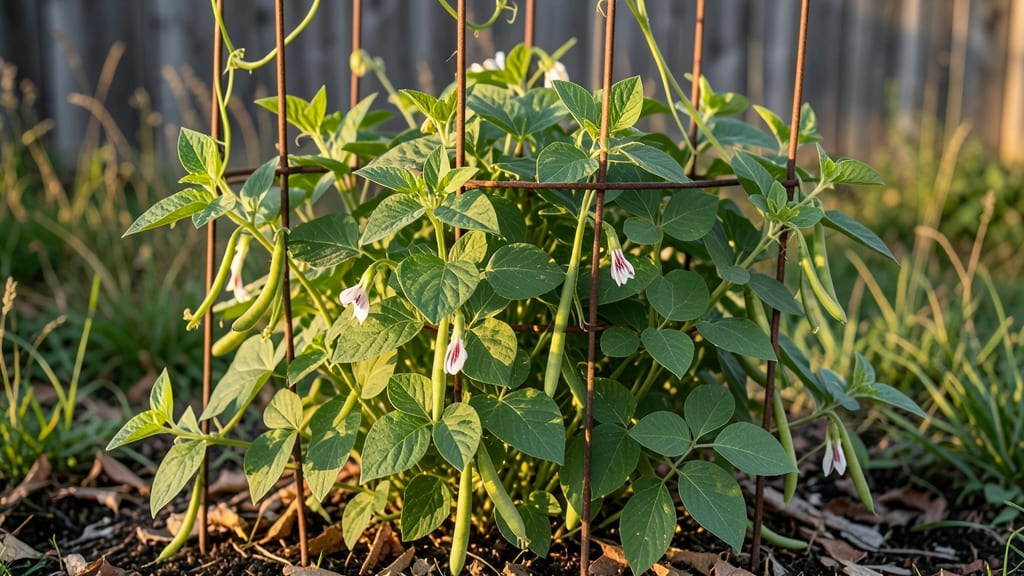
Fast-growing beans transform a patch of soil into a protein-packed harvest in just 50 days—no waiting months for rewards. 🌱 I’ve grown ‘Blue Lake’ and ‘Contender’ varieties for years, and they consistently deliver tender pods before most summer tomatoes even ripen.
The secret isn’t fancy soil or expensive trellises; it’s timing, spacing, and a few simple tricks to outpace pests and heat. Start with loose, well-draining soil (mix in compost if your yard is heavy clay) and plant seeds 1 inch deep, 3–4 inches apart.
For pole beans, add a 5-foot trellis—they’ll climb like eager kids on a jungle gym, producing twice as many pods as bush varieties in the same space. Water consistently (1–1.5 inches per week) but avoid soggy soil, which invites fungal diseases like rust.
By week 7, you’ll be snapping fresh pods straight from the vine, their crisp texture and buttery flavor beating anything store-bought. The vines keep producing for 6–8 weeks, giving you a steady supply for salads, stir-fries, or freezing.
Even in hot climates, morning watering and afternoon shade (via a light row cover) prevent wilting. Troubleshooting slow starts? Soak seeds overnight before planting—it doubles germination speed. Yellowing leaves? Boost nitrogen with a side-dressing of fish emulsion.
And if aphids appear, blast them off with a strong spray of water (no chemicals needed). These beans are foolproof once you know the rhythm.
📚 In This Guide
- What you need
- Instructions
- Tips and common mistakes
- Wrapping up and next steps
What you need
- ● Seeds: 10–20 fast-growing bean seeds (e.g., Blue Lake Pole, Scarlet Runner, or Kentucky Wonder). Opt for organic, non-GMO seeds for best results.
- ● Container: A 5–10 gallon pot (minimum 12" deep) or a tall, narrow planter (e.g., fabric grow bags or wooden barrels). Ensure it has drainage holes!
- ● Potting Mix: 2–3 bags of high-quality, well-draining container mix (avoid garden soil—it compacts). Look for blends labeled "potting soil" or "container gardening mix."
- ● Trellis or Support: A 5–6 ft tall trellis, bamboo stakes, or wire mesh to guide climbing vines. DIY options like PVC pipes or chicken wire work too!
- ● Watering Can or Hose: With a gentle spray nozzle to avoid disturbing soil.
- ● Fertilizer: A balanced, organic fertilizer (e.g., 10-10-10 or compost tea) or slow-release granules like Osmoote.
- ● Gloves (to protect hands from soil and thorns on some varieties like Scarlet Runners).
- ● Trowel (for planting and transplanting seedlings).
- ● Mulch (straw or shredded leaves) to retain moisture and suppress weeds.
- ● Plant Markers (to label varieties if growing multiple types).
- ● Pruning Shears (for trimming vines or removing damaged leaves).
- ○ Shade Cloth (optional, for hot climates to protect young seedlings from scorching).
How to grow fast-growing climbing beans in 50 days
Here's my foolproof method for bushy, productive vines that deliver fresh pods in under two months.
🌱 Step 1: Choose the Right Variety and Prepare the Soil
Pick a pole bean variety like 'Blue Lake' or 'Kentucky Wonder'—these mature in 50-60 days and produce heavy yields. Avoid bush beans if you want vertical growth. Test your soil's pH (aim for 6.0-7.0) and work in 2-3 inches of compost to provide nutrients for rapid growth.
Beans fix nitrogen in the soil, but they still need phosphorus and potassium to grow fast. Mix in 1 cup of 5-10-10 fertilizer per 10 feet of row at planting time. Avoid fresh manure—it can burn tender roots and slow germination. I like to till the compost and fertilizer into the top 6 inches of soil for even distribution.
🪴 Step 2: Plant Seeds at the Correct Depth and Spacing
Wait until the soil warms to at least 60°F—cold soil delays germination and weakens seedlings. Plant seeds 1 inch deep and 4-6 inches apart in rows spaced 18-24 inches apart. This spacing ensures good air circulation, which prevents fungal diseases that slow growth.
I plant 3-4 seeds per hill and thin to the strongest seedling after germination. If you're using trellises, plant seeds 6 inches from the trellis so vines can climb immediately. Water gently after planting to settle the soil—don't soak it, or seeds may wash too deep.
☀️ Step 3: Provide Support and Consistent Moisture
Install 5-6 foot tall trellises or stakes before planting. Beans grow 1-2 feet per week once established, so tall support prevents vines from flopping. I use bamboo stakes tied with twine for a rustic, sturdy setup. Train the first tendrils to climb the trellis within 3-5 days of sprouting.
Keep soil evenly moist—never soggy. Water at the base of plants in the morning to reduce evaporation and fungal risks. Drip irrigation works best for fast growth, but if you hand-water, aim for 1 inch per week. Yellowing leaves signal underwatering, while wilting or brown spots mean overwatering.
✂️ Step 4: Fertilize and Prune for Maximum Yield
After 3-4 weeks, when vines reach the top of the trellis, side-dress with ½ cup of 5-10-10 fertilizer per plant. This mid-season boost encourages heavy flowering and pod production. I also pinch off the first few flowers to redirect energy into vine growth—this ensures stronger stems that support more pods later.
Harvest pods when they're 4-6 inches long and firm to the touch. Regular picking (every 2-3 days) encourages more flowers and faster regrowth. If pods mature on the vine, they'll toughen and lose flavor. I always harvest in the morning when pods are crispest.
🌿 Step 5: Extend the Season with Successive Plantings
For a continuous harvest, plant a second crop 3-4 weeks after the first. Beans grow so fast that you can often get two full harvests in one season. In cooler climates, use black plastic mulch to warm the soil and speed up germination for early plantings.
If frost threatens before your second crop matures, cover plants with row fabric at night. Beans are frost-sensitive, but a light frost on young plants won't kill them—it just slows growth. I've had plants recover and produce pods even after a light freeze, though yields may be smaller.
Tips & tricks for fast-growing climbing beans
Here's what I learned the hard way after struggling with slow-growing vines—these tricks will help you maximize your 50-day harvest window.
Soil Temperature Secret: That 60°F soil temperature is non-negotiable for fast germination. I've found that using a soil thermometer for 3-4 days before planting helps track warming trends. If your soil is still below 60°F, try covering the bed with clear plastic for a day to absorb sunlight and raise temperatures faster. This can shave critical days off your 50-day timeline.
Trellis Training Hack: When you're training those first tendrils in 3-5 days, don't just tie them—weave them gently through the twine. This creates multiple anchor points that prevent snapping when vines grow their 1-2 feet per week. I've seen vines break loose when tied too tightly, which sets back growth by a full week.
Watering Wisdom: That 1 inch per week guideline assumes average conditions. In hotter climates, you'll need to water more frequently—check soil moisture daily by sticking your finger 1 inch deep. The top inch should feel damp but not wet. I've learned that morning watering is crucial; evening watering can lead to fungal issues that slow growth significantly.
Fertilizer Timing: The 5-10-10 fertilizer application at planting and again after 3-4 weeks is perfect, but here's the key: mix it into the soil before planting, not after. This gives roots immediate access to nutrients when they're establishing. For the mid-season boost, side-dress when you see the first flowers forming—this directs energy to pod production rather than vine growth.
Pro Tips for Fast Growing Beans
- Here's what I learned the hard way after struggling with slow-growing vines—these tricks will help you maximize your 50-day harvest window.
- Soil Temperature Secret: That 60°F soil temperature is non-negotiable for fast germination.
- Trellis Training Hack: When you're training those first tendrils in 3-5 days, don't just tie them—weave them gently through the twine.
Frequently asked questions
How long do fast-growing beans really take to harvest?
Most fast-growing varieties (like pole beans or bush beans) mature in 50–60 days from planting, depending on the cultivar and growing conditions. Check the seed packet for exact timelines—some even produce edible pods in just 45 days! Warm soil and consistent watering speed up the process. Pro tip: Start seeds indoors 2–3 weeks before the last frost for an earlier harvest.
Why aren’t my fast beans growing? Troubleshooting slow growth.
Slow growth often stems from poor soil, lack of sunlight, or overcrowding. Ensure your beans get 6–8 hours of sun daily and plant seeds 1–2 inches deep with 3–4 inches between plants. If soil is rocky or compacted, amend it with compost. Yellow leaves? You might be overwatering—beans prefer consistently moist but well-drained soil. Check for pests like aphids or spider mites, which can stunt vines.
Can I eat fast-growing beans raw, or do they need to be cooked?
Most fast-growing beans (like green beans or snap peas) are best lightly cooked for easier digestion, but young, tender pods can be eaten raw! Pick them when they’re bright green and crisp (about 3–4 inches long). Warning: Raw beans contain lectins, which can cause stomach upset if overconsumed. Try them blanched in boiling water for 2–3 minutes for a perfect crunch.
What’s the best alternative if I don’t have space for climbing beans?
No room for vines? Try bush beans—they grow in compact 18–24-inch plants and produce just as fast! Varieties like ‘Blue Lake’ or ‘Contender’ are perfect for containers or small gardens. Bonus: They don’t need trellises, so they’re ideal for balconies or windowsills. For vertical space? Use a 5-gallon bucket trellis or repurpose a ladder!
Do fast-growing beans need special care in hot or cold weather?
Beans thrive in warm weather (70–85°F), but they won’t survive frost. If temperatures drop below 50°F, cover young plants with row fabric. In heatwaves, mulch soil to retain moisture and provide afternoon shade. Drought-tolerant varieties like ‘Dragon Tongue’ handle dry spells better. Plant in late spring for optimal growth—avoid early spring or late summer when days are too short.
Wrapping up and next steps
Growing fast-growing beans in just 50 days is a rewarding and delicious way to bring fresh produce to your container garden—even with limited space! These climbing vines thrive with minimal effort, offering a bountiful harvest in record time.
Whether you're a beginner or a seasoned gardener, their quick growth and versatility make them a perfect addition to any kitchen or patio.
Ready to dig in? Start by gathering your supplies, choose your favorite fast-growing variety, and enjoy the satisfaction of harvesting your own homegrown beans. Happy gardening! 🌱🍲
🌱 Next Steps:
- Plant your seeds today and track your progress!
- Experiment with different varieties to find your favorite.
- Share your harvest with friends or freeze extras for later.