
Vegetables
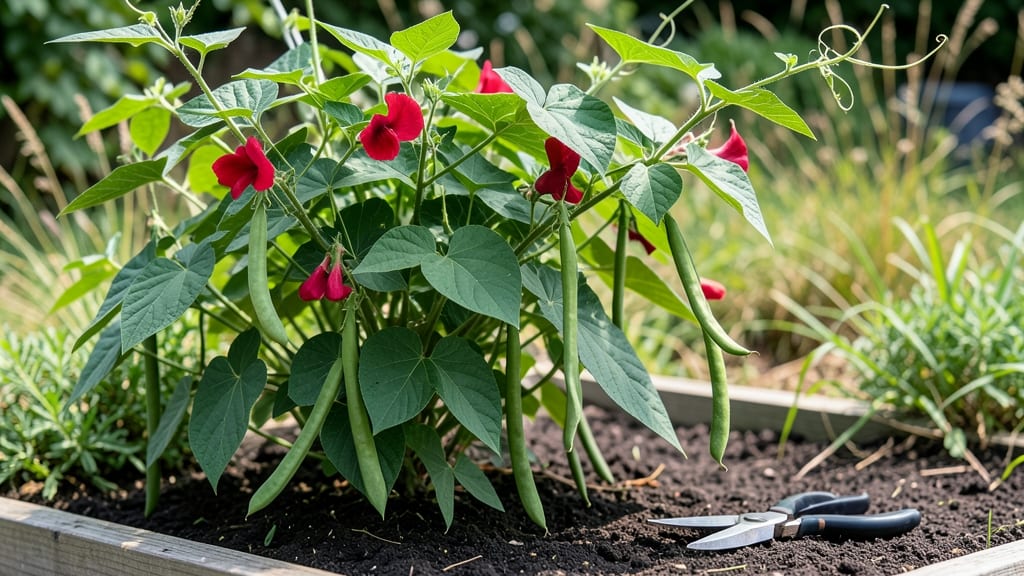
Growing scarlet runner beans means climbing vines and edible flowers in just 90 days. 🌱 I’ve watched these dramatic plants transform a bare corner of my garden into a living tapestry of red blooms and green pods—all while producing beans that taste like a cross between a string bean and a lima bean.
The secret to their success lies in rich soil, consistent moisture, and a sturdy trellis. Unlike many beans, scarlet runners thrive in cooler weather and even tolerate light frosts, making them a reliable choice for spring or fall planting.
Just give them full sun and space to climb, and they’ll reward you with both beauty and bounty. By midsummer, you’ll be harvesting tender pods and watching bees buzz around their striking flowers.
The vines grow aggressively, so plan for a tall trellis or fence—these plants can reach 10-15 feet if given the chance. The more they climb, the more they produce. Perfect for cottage gardens, vertical spaces, or even container growing with dwarf varieties.
Here’s how to get started and keep them thriving all season long.
📚 In This Guide
- What you need
- Instructions
- Tips and common mistakes
- Wrapping up and next steps
What you need
- ● Scarlet runner bean seeds: 10–20 seeds (or 2–3 plants if starting with seedlings). Choose organic, non-GMO seeds for best results.
- ● Growing containers or garden bed: Containers: 5-gallon pots or larger (minimum 12" deep) with drainage holes.
- ● Garden bed: Well-draining soil in full sun (6+ hours/day). Space plants 12–18" apart.
- ● Potting mix or garden soil: 5–10 bags of high-quality, organic soil (or compost-amended garden soil).
- ● Trellis or support structure: 6–8 ft tall (bamboo stakes, wire cages, or A-frame trellis). Runner beans are vigorous climbers!
- ● Watering can or hose: With a gentle spray nozzle for consistent moisture.
- ○ Mulch (optional but recommended): Straw or shredded leaves to retain soil moisture and suppress weeds.
- ● Gloves: A pair of gardening gloves to protect your hands.
- ● Trowel or hand shovel: For planting seeds and transplanting seedlings.
- ● Pruning shears: To trim vines and encourage bushier growth.
- ○ Fertilizer (optional): Balanced organic fertilizer (e.g., 10-10-10) or compost tea for a nutrient boost.
- ● Avoid high-nitrogen fertilizers—beans fix their own nitrogen!
- ○ Seed-starting kit (if sowing indoors): Includes seed trays, heat mat (optional), and grow lights.
Step-by-step instructions for growing scarlet runner beans
Here’s how to grow these vibrant, edible-flowered vines that thrive in just 90 days—no fuss, no fuss.
🌱 Step 1: Start Seeds Indoors or Direct-Sow After Frost
Scarlet runner beans (Phaseolus coccineus) need warmth to germinate, so start seeds 6-8 weeks before your last frost date—or wait until soil reaches 60°F and plant directly outside. I like to sow 2-3 seeds per pot in 3-inch deep containers filled with moist seed-starting mix. Press them 1 inch deep and keep the soil consistently damp (not soggy).
If you’re direct-sowing, choose a sunny spot with well-draining soil. Drop seeds 1-2 inches apart in rows 18-24 inches apart—they’ll sprawl fast. Water gently after planting to settle the soil. Here’s the thing: these seeds take 7-14 days to sprout, so patience pays off. Keep the soil warm by covering with a lightweight row cover if nights are chilly.
☀️ Step 2: Provide Support and Full Sun Early
Scarlet runner beans are vigorous climbers—install 6-foot tall trellises, stakes, or strong fences within 2 weeks of planting. I use bamboo stakes tied with twine for a rustic look, but any sturdy structure works. As soon as the first true leaves appear, gently guide the vines upward to encourage climbing. No support? Expect sprawling vines that may need staking later (they’re heavy!).
These plants crave full sun (6+ hours daily)—place them where they’ll get morning light and afternoon warmth. If your summers are scorching, provide afternoon shade to prevent wilting. You’ll know they’re happy when leaves stay deep green and glossy, not yellow or crispy. Water at the base 1-2 inches deep, letting the soil dry slightly between waterings.
💧 Step 3: Fertilize and Water for Maximum Growth
Once seedlings are 4-6 inches tall, feed them with a balanced fertilizer (10-10-10) diluted to half-strength. I mix 1 tablespoon per gallon of water and apply it every 4-6 weeks during the growing season. Too much nitrogen? You’ll get lush foliage but few beans. Scarlet runners need moderate fertility—focus on phosphorus and potassium for blooms and pods.
Water deeply 2-3 times per week, aiming for 1-2 inches of moisture. Let the top 1-2 inches of soil dry out between waterings to prevent root rot. Mulch with 2-3 inches of straw or grass clippings to retain moisture and keep roots cool. Watch for yellowing lower leaves—this signals overwatering or poor drainage. Adjust your watering if the soil stays damp for more than 2 days.
✂️ Step 4: Prune for Airflow and Harvest Flowers/Pods
Pinch back the top 2-3 inches of new growth when plants are 12-18 inches tall to encourage bushier vines. This trick forces more branches, leading to more flowers and pods. Remove any yellow or diseased leaves immediately—scarlet runners are prone to rust fungus in humid climates. Prune with clean shears and sterilize blades with rubbing alcohol between cuts.
Harvest begins! Pick edible flowers in the morning for peak flavor—gently twist them off the vine. Save a few to let them turn into flat, dark-red pods (the beans inside are edible too). Harvest pods when they’re 4-6 inches long for tender beans. Leave some pods on the vine to mature—they’ll turn brown and dry for fall planting or seed saving. Real talk: the more you harvest, the more the plant produces!
⏰ Step 5: Extend the Season and Prepare for Winter
Scarlet runner beans are annuals, but you can save seeds for next year. Let pods mature fully on the vine, then dry them in a well-ventilated spot for 2 weeks. Shell out the seeds, store them in a cool, dry place, and they’ll stay viable for 3-4 years. For a second crop, plant succession seeds every 2 weeks until 6 weeks before your first frost—this stretches your harvest.
After the first frost, cut vines down to 2-3 inches above ground. Compost the plant debris (unless disease struck—then trash it). In mild climates, some vines survive winter and resprout in spring. Here’s the secret: plant near perennials like sunflowers or corn—they provide early support and shade for tender seedlings.
Tips & tricks for growing scarlet runner beans
These simple strategies will help you coax the most vibrant vines and delicious blooms from your scarlet runner beans.
Soil Warmth is Key: Scarlet runner beans need that 60°F soil temperature to germinate properly. If your spring is slow to warm, consider using a black plastic mulch or planting in a raised bed—both methods heat up soil faster. I’ve found that even a day or two of cooler soil can delay germination from 7-14 days to weeks. Place a soil thermometer in your garden spot for a few days before planting to be sure you’re ready.
Support Matters More Than You Think: Don’t wait until your plants are sprawling to install support! Those 6-foot tall trellises should go in within 2 weeks of planting—even if your seedlings are tiny. I learned this the hard way when my vines grew too heavy for makeshift stakes later in the season. Bamboo stakes tied with twine work beautifully, but any sturdy structure will do. The earlier you train the vines upward, the more vertical growth you’ll encourage.
Harvesting Triggers More Production: Here’s what nobody tells you—consistent harvesting actually makes your plants produce more. When you pick those edible flowers in the morning and harvest pods at 4-6 inches long, you’re signaling the plant to keep making new blooms. I’ve seen plants that produced continuously for months when harvested regularly, while neglected plants focused all their energy on seed pods instead of flowers. It’s like giving your plant a little nudge to "keep going!"
Fertilizer Timing Makes All the Difference: That 10-10-10 balanced fertilizer should be applied when seedlings reach 4-6 inches tall, but timing matters just as much as the mix. I apply it every 4-6 weeks during the growing season, but I always do it after a good rain or watering—this helps prevent root burn. Too much nitrogen early on will give you lush leaves but few flowers, so focus on phosphorus and potassium to encourage those beautiful blooms and pods you’re growing for.
Pro Tips for Scarlet Runner Beans
- These simple strategies will help you coax the most vibrant vines and delicious blooms from your scarlet runner beans.
- Soil Warmth is Key: Scarlet runner beans need that 60°F soil temperature to germinate properly.
- Support Matters More Than You Think: Don’t wait until your plants are sprawling to install support!
Frequently asked questions
When is the best time to plant scarlet runner beans?
Scarlet runner beans thrive in warm soil, so plant them after the last frost when temperatures stay above 60°F (15°C). In most regions, this means late spring or early summer. For a longer harvest, consider a second planting in mid-summer if your climate allows!
How long does it take for scarlet runner beans to mature?
From seed to harvest, expect 90–100 days for mature pods. Flowers appear in 6–8 weeks, but wait until pods are 4–6 inches long and firm for the best flavor. Patience pays off—these beauties are worth the wait!
Can I grow scarlet runner beans in containers?
These vining plants love vertical space. Use a 5-gallon container or larger with a sturdy trellis or cage. Ensure it has drainage holes and place it in full sun. Just keep an eye on watering—containers dry out faster than garden beds.
What pests should I watch for with scarlet runner beans?
Common pests include bean beetles, aphids, and spider mites. Handpick larger pests or spray with neem oil for a natural fix. Encourage beneficial insects like ladybugs by planting companion flowers (like marigolds). Regular checks keep problems small!
Are the flowers and pods both edible?
Yes! Flowers are delicious in salads or fried, while young pods (harvested before they toughen) are great stir-fried or steamed. Older pods can be dried for beans. Just avoid overcooked pods—they turn woody. Taste the rainbow!
Pro Tip:
Need a quick harvest? Pinch off the first few flowers to encourage bushier growth and more pods later in the season. It’s like giving your plant a little extra energy boost!
Wrapping up and next steps
Growing scarlet runner beans is a rewarding journey that brings vibrant beauty and delicious harvests to your garden in just 90 days! 🌱 Whether you're drawn to their striking flowers, edible pods, or the satisfaction of nurturing a climbing vine, these beans offer a unique blend of practicality and charm.
With the right materials, a little patience, and a dash of creativity, you’ll soon be enjoying fresh, homegrown goodness—plus stunning blooms to brighten up your space.
Ready to dive in? Start by gathering your supplies, sketch out a planting plan, and watch your garden transform into a thriving, edible paradise. Happy growing—your future meals (and neighbors!) will thank you! 🌸🍽️