
Vegetables
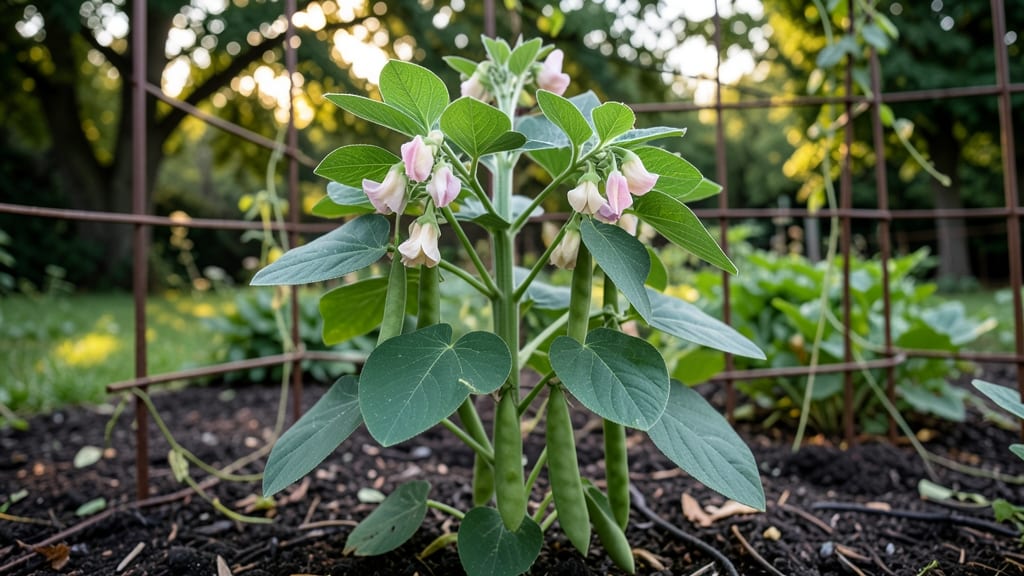
Growing fava and broad beans from seed delivers crunchy, protein-packed greens in just 70 days—no fancy greenhouse needed. 🌱 I planted my first batch last spring and was shocked by how little they demand: cool weather, a patch of sun, and patience.
These beans thrive where tomatoes fail, making them perfect for early spring or fall gardens. The secret lies in their hardiness—they tolerate light frosts and poor soil better than most vegetables.
Start with seeds in 3-4 inch deep trenches, 2-3 inches apart, and watch them sprout in 7-14 days. No thinning required if you plant them close; they’ll self-regulate. For experienced gardeners, overwintering seeds in mild climates can produce two harvests in one season.
By harvest time, you’ll pull tender young pods (like snap peas) or let them mature into dried beans for soups. The flavor? Nutty, earthy, and satisfyingly different from green beans. Even my black-thumb neighbor grew a bumper crop last year—these beans forgive mistakes.
Works in USDA Zones 3-10, from Pacific Northwest gardens to Southern winters. Here’s how to get started without the guesswork!
📚 In This Guide
- What you need
- Instructions
- Tips and common mistakes
- Wrapping up and next steps
What you need
- ● Seeds: Fava bean seeds (e.g., Aquadulce Claudia, Early Bird) – 1–2 lbs (or ~500–1,000 seeds)
- ● Broad bean seeds (e.g., The Sutton, Longpod) – 1 lb (or ~300–500 seeds)
- ● Soil: Well-draining, sandy loam or clay-loam soil with a pH of 6.0–7.5. Amend with compost for fertility.
- ● Fertilizer: Balanced 10-10-10 fertilizer (1 tbsp per plant at planting)
- ○ Phosphorus-rich fertilizer (e.g., bone meal) for root development (optional but recommended).
- ● Watering Tools: Watering can or hose with a gentle spray nozzle (to avoid displacing seeds).
- ○ Drip irrigation system (optional for larger gardens).
- ● Garden Space: Full sun location (6–8 hours of sunlight daily).
- ● Spacious rows or hills (12–18 inches apart for broad beans, 6–12 inches apart for fava beans).
- ○ Support Structures (for tall varieties): Trellis, stakes, or cages (optional for broad beans like Longpod).
- ● Mulch: Straw or grass clippings to retain moisture and suppress weeds.
- ● Row Covers: Lightweight fabric to protect seedlings from pests (e.g., aphids).
- ● Seedling Trays: For starting seeds indoors 4–6 weeks before last frost (if your climate is cool).
- ● Pest Control: Neem oil or insecticidal soap (for aphids or bean beetles).
- ● Row covers to deter birds (they love broad bean pods!).
- ● Harvest Tools: Sharp scissors or pruners for clean pod removal.
- ○ Glove (optional—some varieties have fuzzy pods!).
Step-by-step instructions for growing fava and broad beans
Here's how to cultivate these nitrogen-fixing powerhouses from seed to harvest in just 70 days.
🌱 Step 1: Prepare the Soil and Plant Seeds
Fava and broad beans thrive in cool weather and prefer well-drained, fertile soil with a pH between 6.0 and 7.5. Work in 2-3 inches of compost or aged manure into the top 6 inches of soil to improve drainage and fertility. These plants are heavy feeders, so don’t skimp on organic matter—think of it as their growth fuel.
Plant seeds 1-2 inches deep in rows spaced 12-18 inches apart, depending on your variety. I like to plant them in late winter or early spring (around 6-8 weeks before the last frost) so they mature before summer heat sets in. If your climate stays cool, you can even plant a fall crop for a late harvest. Space individual seeds 2-4 inches apart—crowding leads to weak stems and poor yields.
💧 Step 2: Water and Maintain Moisture
Keep the soil consistently moist but never soggy after planting. Fava and broad beans are drought-sensitive, especially during flowering and pod development. Water deeply once a week if rainfall is light, aiming for 1 inch of water per week. You’ll know you’re doing it right when the soil feels damp to the touch 2 inches below the surface—not bone-dry, not dripping wet.
Mulch around plants with 2-3 inches of straw or grass clippings to retain moisture and suppress weeds. This also keeps the soil temperature stable, which is critical for these cool-season crops. Avoid overhead watering once the plants are established—wet foliage encourages fungal diseases like rust, which can devastate your crop.
☀️ Step 3: Provide Support and Monitor Growth
As plants grow, they’ll develop 3-5 foot tall stems that may need support, especially in windy areas. Install tall trellises or stakes (at least 5 feet high) and gently tie stems to them with soft twine or fabric strips as they grow. This keeps pods off the ground, reducing rot and making harvest easier.
Watch for first true leaves to appear in 2-3 weeks, followed by flower buds in 4-6 weeks. Flowers range from white to purple, depending on the variety, and will eventually give way to flat, elongated pods. If you notice yellowing leaves, it’s often a sign of overwatering or nitrogen deficiency—adjust your watering or add a light application of compost tea to correct it.
✂️ Step 4: Harvest at Peak Maturity
Fava and broad beans are ready to harvest when pods are plump but still tender, usually 70-90 days after planting. For best flavor, pick pods regularly—this encourages more production. Snip them with clean scissors or pinch them off at the stem to avoid damaging the plant. Young pods (under 4 inches long) are best for fresh eating, while larger ones are great for drying or freezing.
Don’t wait too long—overripe pods become tough and stringy. If you miss the window, you can still harvest the seeds inside, but the pods will be less palatable. After harvest, let the plants decompose in the soil—they’ll enrich it with nitrogen, making them a fantastic cover crop for future plantings.
🌿 Step 5: Extend the Season with Succession Planting
For a continuous harvest, plant succession crops every 3-4 weeks in early spring or late summer. This works especially well in cooler climates where summer heat isn’t an issue. If you’re in a hotter region, opt for shade-tolerant varieties or plant in partial shade to avoid bolting (premature flowering).
Here’s the thing—fava and broad beans are self-fertile, meaning they don’t need pollinators to produce pods. This makes them a great choice for small gardens or containers, as long as you provide enough support. With the right care, you’ll have a bountiful harvest that’s both productive and low-maintenance.
Tips & tricks for growing fava and broad beans
Here's what nobody tells you about growing these nitrogen-rich superstars—details that make all the difference between a decent harvest and a garden full of beans.
Soil Prep Secret: Don't just mix compost into the soil—create a dedicated planting bed by amending the top 6 inches with a 50/50 mix of compost and aged manure. These beans are heavy feeders, and they'll reward you with bigger yields if you give them the right start. I like to add a handful of bone meal at planting time for extra phosphorus, which boosts root development and pod production.
Planting Timing Tip: The 6-8 week window before last frost is crucial, but don't get too rigid. In cooler climates, you can actually plant as late as 4-6 weeks before frost and still get a harvest. Watch your local weather forecasts—if you see a cold snap coming, delay planting by a week or two. The key is to have plants established before temperatures consistently hit 75°F, which can trigger bolting (premature flowering).
Watering Watch: The "damp to the touch 2 inches down" test is perfect, but here's the thing about fava beans—they actually prefer slightly drier conditions during the final pod-setting stage. Once you see flower buds forming, reduce watering to once every 10 days unless you're in extreme heat. This prevents pod rot and helps concentrate the plant's energy into producing more beans.
Support System Strategy: When installing your 5-foot stakes or trellises, place them at planting time—not after the plants are established. This prevents root disturbance and gives the plants immediate support as they grow. For windy areas, use flexible bamboo stakes rather than rigid metal ones—they bend with the wind rather than breaking. I also recommend burying stakes 12 inches deep for maximum stability, especially if you're growing larger varieties like 'Long Pod' fava beans.
Pro Tips for Fava Beans Broad Beans
- Here's what nobody tells you about growing these nitrogen-rich superstars—details that make all the difference between a decent harvest and a garden full of beans.
- Soil Prep Secret: Don't just mix compost into the soil—create a dedicated planting bed by amending the top 6 inches with a 50/50 mix of compost and aged manure.
- Planting Timing Tip: The 6-8 week window before last frost is crucial, but don't get too rigid.
Frequently asked questions
Got questions about growing fava or broad beans?
You’re not alone—these hardy legumes can be tricky for beginners! Here are answers to the most common queries to help you grow like a pro.
When is the best time to plant fava or broad beans?
Plant them in early fall or late winter (6–8 weeks before your last frost) for ideal growth. These cool-season crops thrive in temperatures between 40°F and 75°F. Avoid planting in hot summers—they’ll bolt (flower prematurely) and produce bitter pods. If you live in a warm climate, opt for winter varieties for spring harvests!
How long do fava and broad beans take to mature?
Most varieties mature in 70–90 days, but this depends on your climate and variety. Early types (like ‘Aquadulce Claudia’) may be ready in 60–70 days, while larger broad beans can take up to 100 days. Check seed packets for specific timelines—patience pays off with sweet, tender pods!
Are fava and broad beans prone to pests or diseases?
Yes! Watch for aphids, bean beetles, and ascochyta blight (a fungal disease). To prevent issues:
- Rotate crops yearly to avoid soil-borne diseases.
- Use row covers to deter pests.
- Remove and destroy infected plants immediately.
- Plant resistant varieties like ‘Windsor’ for broad beans.
Can I eat the pods and beans raw, or do they need cooking?
Young broad bean pods (harvested when flat and tender) can be eaten raw like snap peas—great in salads! Mature pods and beans, however, must be cooked to remove toxins (like vicine). Soak dried beans 12+ hours and boil for 1–2 hours to ensure safety. Fava beans are best cooked when pods are swollen but still green.
What can I plant with fava or broad beans to improve growth?
These legumes fix nitrogen in the soil, making them great companions for:
- Leafy greens (spinach, lettuce)
- Root vegetables (carrots, radishes)
- Alliums (onions, garlic)
Pro Tip:
If your beans bolt too early (flower without pods), they’ve likely experienced heat stress. Provide shade cloth in hot climates or harvest seeds for next year’s crop!
Wrapping up and next steps
Growing fava and broad beans is a rewarding journey that brings fresh, nutrient-packed produce to your table in just 70 days! 🌱 Whether you're a seasoned gardener or a beginner, these hardy plants thrive with minimal fuss—just the right soil, sunlight, and a little patience.
Now that you’re armed with all the tips and tricks, why not plant a few seeds this season and enjoy the satisfaction of harvesting your own homegrown beans? Start small, experiment with varieties, and soon you’ll be sharing your bounty with friends and family!