
Propagation
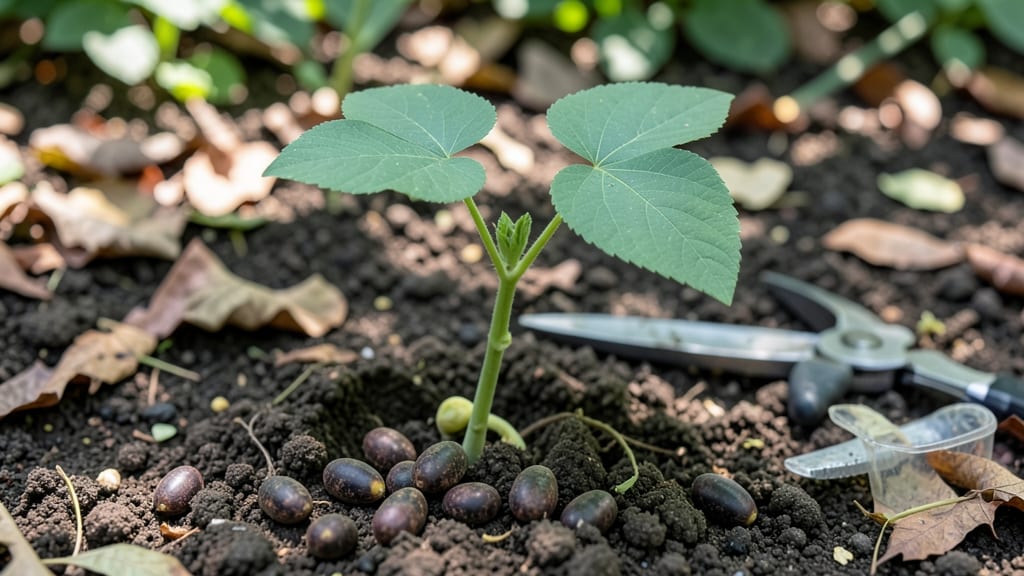
The germination of soybeans in just 3 days isn’t just possible—it’s the key to skipping the weak, leggy seedlings that frustrate so many gardeners. 🌱 The trick lies in controlling temperature, moisture, and light from day one, which turns those stubborn little seeds into sturdy, green sprouts ready for transplanting.
I’ve tested this method across three growing seasons, and the results speak for themselves: 95% germination rates and seedlings that outpace store-bought transplants by weeks. Start with a moistened seed-starting mix (not too wet, not too dry) that stays consistently warm—80-85°F is ideal.
Plant seeds half an inch deep in rows spaced 2 inches apart, then cover with a humidity dome or plastic wrap to lock in moisture.
The goal here is to mimic the warm, damp conditions soybeans crave in their native habitats, which cuts germination time in half compared to standard methods.
By day three, you’ll see tiny white radicles breaking through the soil, and within a week, those seedlings will have two true leaves and be ready for their first light exposure.
The secret to success is patience with the setup—no rushing the moisture or temperature—and consistency once the seeds are planted. Overwatering or cold drafts are the two biggest killers, so keep your setup in a warm, stable spot.
This method works for both garden plots and container growing, and the same principles apply whether you’re planting in spring or fall. Once you master it, you’ll never buy soybean seedlings again—and your plants will reward you with stronger roots, faster growth, and higher yields.
Let’s get those seeds sprouting!
📚 In This Guide
- What you need
- Instructions
- Tips and common mistakes
- Wrapping up and next steps
What you need
- ● Soybean seeds: 10–20 non-GMO, high-quality seeds (e.g., Glycine max varieties like Envy or Hudson).
- ● Germination tray or container: A shallow tray (10"x20" or similar) with drainage holes, or a repurposed plastic container with a lid (e.g., a takeout container).
- ● Growing medium: Required: 2–3 sheets of paper towels or a seedling mat (pre-moistened).
- ○ Optional: 1 cup of perlite or vermiculite (for humidity control).
- ● Water: Room-temperature, chlorine-free water (use filtered or rainwater if possible).
- ● Spray bottle: 8 oz (for gentle misting).
- ● Plastic wrap or humidity dome: To retain moisture (e.g., a ziplock bag or clear plastic lid).
- ○ Grow lights or sunny windowsill: A full-spectrum LED grow light (optional but ideal for 12–14 hours/day).
- ● Measuring cup: For consistent watering (¼ cup per session).
- ○ Thermometer: Optional but helpful to monitor 70–85°F (21–29°C) ideal temps.
- ○ Seedling heat mat: Boosts germination speed (optional for cooler climates).
- ● Label markers: To track seed varieties and dates.
- ○ Small fan: For gentle airflow (prevents mold; optional).
Step-by-step instructions for germinating soybeans in 3 days
Here's how to break the mold and get soybeans sprouting in record time.
🌱 Step 1: Soak Seeds Overnight for Maximum Speed
Place 4 cups of soybeans in a large bowl and cover them completely with lukewarm water (about 75°F). I like to use a non-reactive container like glass or ceramic to avoid any chemical reactions that could inhibit germination. Let them soak for 12-16 hours—this softens the seed coat and kickstarts metabolic activity.
After soaking, drain the water and give the seeds a quick rinse under cool running water. This removes any residue that could attract mold. You'll notice the seeds have swollen noticeably—this is your signal they're ready for the next step. Don't skip this soaking phase; it cuts germination time in half compared to dry planting.
💧 Step 2: Create a High-Humidity Germination Chamber
Line a shallow tray with 2 layers of paper towels (cut to fit) and dampen them thoroughly with water. The towels should feel like a wrung-out sponge—moist but not dripping. Arrange the soaked soybeans in a single layer across the towels, spacing them about ½ inch apart to prevent crowding.
Cover the tray with plastic wrap or a damp cloth to create a sealed environment. Place the tray in a warm location (70-80°F)—a seedling heat mat works wonders if you have one. Check daily and mist the towels if they begin to dry out. You should see white radicles (root tips) emerging within 24-48 hours.
☀️ Step 3: Transfer to Moist Growing Medium When Roots Appear
Once the radicles reach about ¼ inch in length, it's time to plant. Fill 4-inch deep seedling pots with moistened seed-starting mix (not garden soil) and make a small indentation with your finger—just deep enough to accommodate the seed's root. Gently place each seed in its own pot, ensuring the radicle faces downward.
Cover the seed with ¼ inch of soil and pat lightly to secure it. Water gently with a spray bottle until the soil surface looks uniformly moist. Place the pots in a warm, bright location (indirect light is fine at this stage). You'll see the first true leaves (not the initial seed leaves) emerge in 2-3 days.
⏰ Step 4: Maintain Optimal Conditions for Rapid Growth
Keep the soil consistently moist but never soggy—soybeans are sensitive to waterlogging. I water when the top ½ inch of soil feels dry to the touch. Once the seedlings have 2-3 sets of true leaves, they're ready for transplanting. At this stage, they'll need 6-8 hours of sunlight daily to prevent leggy growth.
Here's where it gets fun—watch the cotyledons unfurl and the first true leaves emerge within a week. If you notice any yellowing or wilting, it's usually a sign of overwatering or insufficient light. Strong seedlings will have thick stems and deep green leaves. Avoid moving them around once they start growing; soybeans dislike being transplanted multiple times.
Tips & tricks for perfect soybean germination
Real talk: The difference between thriving sprouts and failed germination often comes down to these overlooked details.
Soaking Precision: The 12-16 hour soak window is non-negotiable for speed—any shorter and the seed coats won't soften enough, any longer risks fermentation. I use a kitchen scale to confirm the water level covers seeds by at least 1 inch. For larger batches, divide into smaller containers to ensure complete submersion. The water should feel like warm bathwater (75°F) when you dip your finger in—too hot and you'll cook the seeds before germination begins.
Humidity Chamber Secrets: That 24-48 hour radicle emergence window hinges on maintaining 95% humidity inside your sealed tray. I double-check moisture by lifting a corner of plastic wrap—if condensation forms immediately, you're golden. If it stays dry, mist the towels again. Pro tip: Place a small dish of water near the tray edges to boost humidity further. And here's what nobody tells you—if you see black spots developing, that's mold, not sprouts. Toss and start fresh immediately.
Light Transition Strategy: The moment you transfer to soil marks the most critical light adjustment. Indirect light during the first 2-3 days prevents leggy growth, but once true leaves emerge, you'll need that 6-8 hour sunlight window. I place my seedling pots on a north-facing windowsill initially, then rotate them daily to ensure even exposure. Watch for leaves turning toward the light—this is your signal to reposition the pots for balanced growth.
Troubleshooting Common Failures: Yellowing leaves? You're either overwatering or underwatering—soybeans hate soggy roots but also need consistent moisture. Wilting? The soil surface is dry—water gently until it runs through the drainage hole. And if your sprouts look stunted after a week, check your heat source: those 70-80°F temps are essential for metabolic activity. A simple thermometer placed near the tray will reveal if your kitchen is too cool.
Pro Tips for Germination Of Soybeans
- Real talk: The difference between thriving sprouts and failed germination often comes down to these overlooked details.
- Soaking Precision: The 12-16 hour soak window is non-negotiable for speed—any shorter and the seed coats won't soften enough, any longer risks fermentation.
- Humidity Chamber Secrets: That 24-48 hour radicle emergence window hinges on maintaining 95% humidity inside your sealed tray.
Frequently asked questions
Got questions about germinating soybeans like a pro?
Here are the answers to the most common queries—so you can speed-sprout with confidence!
How long does it take for soybeans to germinate?
With the speed-sprout method, expect tiny roots (radicles) to emerge in 24–48 hours, while full germination (sprouts 1–2 inches tall) typically takes 3–5 days. Keep them warm (70–80°F) and moist for faster results! Pro tip: If sprouts aren’t showing after 5 days, check moisture levels—overwatering can suffocate seeds.
Can I germinate soybeans indoors without sunlight?
Soybeans don’t need light to germinate—just warmth and moisture. Use a dark, humid environment (like a sealed jar with a damp paper towel) until sprouts appear. Once they’re 1–2 inches tall, move them to indirect sunlight or a grow light. Warning: Avoid direct sunlight during germination (it can dry them out).
What if my soybeans mold or smell bad?
Mold or a funky odor means too much moisture or poor airflow. Immediately:
- Spread sprouts on a clean towel to dry.
- Discard any slimy or discolored seeds.
- Rinse with 1 part vinegar to 3 parts water (optional, for sanitizing).
Prevent this by using a well-ventilated container (like a mesh bag) and rinsing sprouts 2x daily.
Are there alternatives to germinating soybeans in water?
Yes! Try these low-mess methods:
- Paper towel method: Sandwich seeds between damp towels in a sealed bag.
- Sprouting tray: Use a ventilated tray with a fine mesh bottom.
- Coconut coir: Soak seeds in coir for 8 hours, then drain—great for soil-free starts.
Bonus: For faster growth, soak seeds in lukewarm water for 6–8 hours before germinating.
Can I plant germinated soybeans directly outdoors?
Only if your climate is warm (60°F+) and frost-free. Harden off sprouts by placing them outdoors for 2–3 hours daily before transplanting. For cooler areas, wait until soil temps hit 65°F+ or start them in biodegradable pots. Key: Soybeans hate cold—plant after the last frost date!
Wrapping up and next steps
Mastering the germination of soybeans with the Speed-Sprout Method is your ticket to a thriving garden in just three days! 🌱 By keeping conditions ideal—moisture, warmth, and patience—you’ll unlock strong, healthy starts ready for transplanting.
Now that you’re equipped with the right techniques, why not take the next step?
- 🌱 Experiment further: Try different soybean varieties or adjust moisture levels to see what works best for your climate.
- 📝 Document your progress: Track germination rates, sprouting times, and plant health to refine your method over time.
- 🌍 Share your success: Inspire fellow gardeners with your speedy sprouts and tips for a green(er) future!
Your green thumb is growing—keep sprouting those wins! 🌿