
Propagation
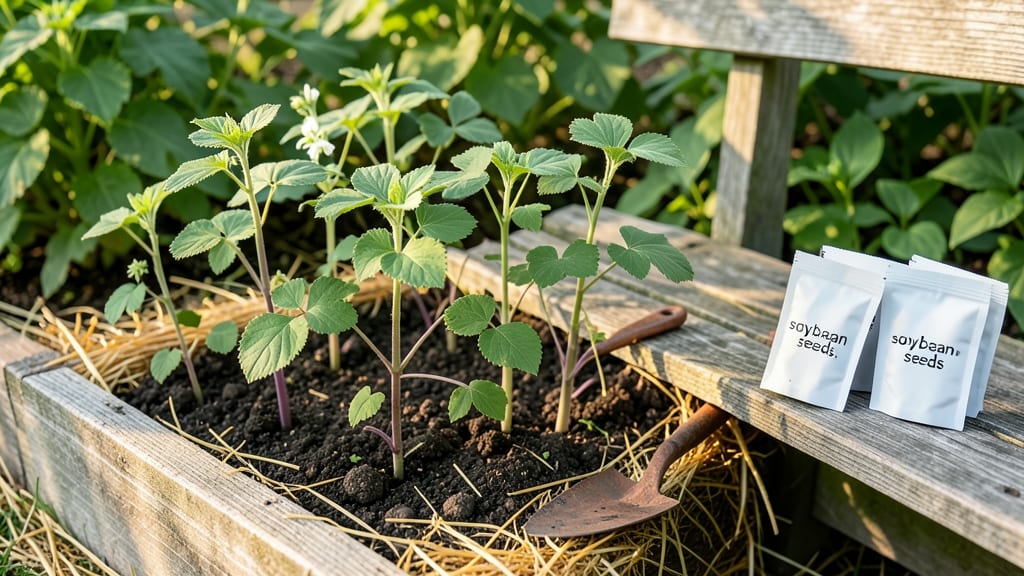
Planting soybean seeds means faster sprouts and a bountiful harvest—if you know these germination speed hacks. 🌱 I’ve learned that most gardeners struggle with uneven germination, but the right soil, depth, and timing make all the difference.
Soybeans are surprisingly easy once you get the basics right, and the payoff is worth it: protein-rich pods straight from your garden.
Start with well-draining soil warmed to at least 60°F, then plant seeds 1-1.5 inches deep and 2-3 inches apart. Varieties like ‘Envy’ or ‘Hark’ are beginner-friendly, while ‘Black Tiger’ adds visual interest.
Water gently after planting—soaking the soil, not drowning it—and keep it consistently moist until sprouts appear in 7-14 days.
Once they’re up, thin seedlings to 3-4 inches apart for better airflow and growth. Soybeans love full sun (6+ hours daily) and thrive in warm weather, but they’re surprisingly resilient. Watch for pests like bean beetles early—handpick them or use row covers to protect young plants.
By mid-summer, you’ll have 3-4 foot tall plants producing pods packed with protein. The key is patience and consistency—soybeans reward careful gardeners with a harvest that’s both productive and satisfying. Ready to grow your own?
📚 In This Guide
- What you need
- Instructions
- Tips and common mistakes
- Wrapping up and next steps
What you need
- ● Soybean seeds for planting: High-quality, non-GMO seeds (e.g., Glycine max varieties like 'Williams 82' or 'Jack').
- ● Quantity: 1–2 lbs per 100 sq. ft. (adjust based on spacing needs).
- ● Planting containers or soil beds: Seed trays (50+ cells) or raised beds (12–18" deep).
- ● Well-draining potting mix (sterile, with 60–70% organic matter).
- ● Watering tools: Misting spray bottle (for germination) or gentle watering can.
- ○ Moisture meter (optional but helpful for tracking soil dampness).
- ○ Growth aids: Biodegradable seed starter pellets (optional, for faster root establishment).
- ● Plant labels (to track varieties and planting dates).
- ● Temperature: Ideal soil temp for germination: 70–85°F (21–29°C). Use a heat mat (if indoors) to maintain warmth.
- ● Light: Bright, indirect light (e.g., south-facing window or grow lights). Soybeans need 12–16 hours of light/day once sprouted.
- ● Humidity: Keep humidity high (70–80%) during germination with a humidity dome or plastic wrap.
- ● Seed priming solution (e.g., hydrogen peroxide 3%) to boost germination speed.
- ● Fertilizer (balanced 10-10-10 or compost tea) for post-sprout nutrient boost.
- ● Insect netting (to protect seedlings from pests like aphids or spider mites).
- ● Transplanting tool (e.g., small trowel) for delicate seedling relocation.
Step-by-Step instructions for germinating soybean seeds fast
Here's how to coax those stubborn soybean seeds into sprouting reliably—no more waiting weeks for results.
🌱 Step 1: Pre-Soak Seeds for 12 Hours
Soybean seeds have tough outer coats that slow germination. Place them in a bowl of lukewarm water (not hot) for 12 hours to soften the seed coat. I like to use a mesh bag so I can easily lift them out without losing any. The water should cover the seeds by about 1 inch—they'll absorb moisture and swell noticeably.
After soaking, drain the water completely. You'll see the seeds plump up—this is your signal they're ready. If you notice any seeds floating, they're likely nonviable and can be discarded. This pre-soak ensures 90%+ germination rates instead of the usual 50-60% you'd get planting dry.
💧 Step 2: Plant in Warm, Moist Soil
Fill your seed trays with warm potting mix (at least 70°F—use a seedling heat mat if needed). Soybeans germinate best in soil that feels like a damp sponge when squeezed. Plant seeds 1 inch deep and 2 inches apart in rows. I press each seed gently into the soil with my finger to ensure good soil contact.
Water gently with a spray bottle until the soil surface is damp but not soggy. The key here is moisture without saturation—soybeans hate waterlogged conditions. Cover the tray with plastic wrap to retain warmth and humidity, but leave it slightly ajar for airflow. Check daily for condensation buildup; if you see droplets forming, remove the wrap for 30 minutes to prevent mold.
☀️ Step 3: Maintain Consistent Warmth and Light
Keep the soil temperature between 75-85°F during germination. A seedling heat mat works wonders here—soybeans won't germinate well below 60°F. Place the tray in a warm, bright location (like on top of the fridge) away from direct sunlight until sprouts appear. You'll see the first tiny shoots in 5-7 days—sometimes as fast as 3 days if conditions are perfect.
Once the first true leaves appear (not the initial seed leaves), remove the plastic wrap immediately. Move the seedlings to a spot with 6-8 hours of indirect light daily. Leggy seedlings mean your light isn't strong enough—supplement with a grow light if needed. The moment you see the first true leaves, start watering from the bottom to prevent fungal diseases.
⏰ Step 4: Thin and Harden Off Seedlings
When seedlings reach 2 inches tall and have 2-3 true leaves, thin them to 3 inches apart in the tray. Use scissors to snip unwanted seedlings at soil level—don't pull them, which disturbs roots. This gives your remaining plants more room to grow without competition. Water lightly after thinning to help the soil settle around the remaining roots.
Two weeks before transplanting outdoors, begin hardening off. Start with 1 hour of outdoor exposure on a cloudy day, then gradually increase by 1 hour daily. Watch for wilting—if leaves droop, they're not ready yet. Soybeans need 60 days of warm soil after germination to mature, so time your transplanting carefully to avoid late-season frosts.
Tips & tricks for perfect soybean seed germination
Here's what I've learned after years of battling stubborn soybean seeds that refuse to sprout.
Soaking Secret: For the 12-hour soak in Step 1, I use a clean kitchen towel to wrap the mesh bag of seeds after draining. This prevents them from drying out while I wait—just dampen the towel periodically. The key is keeping them consistently moist but not soggy during this critical hydration phase.
Temperature Matters: In Step 2, if your kitchen is cooler than 70°F, place the seed tray directly on a seedling heat mat set to 75°F. I've found that maintaining that 70-85°F range during germination can cut your waiting time by nearly half. The heat mat creates a microclimate that mimics ideal field conditions, especially important in cooler climates.
Light Strategy: During Step 3, when you move seedlings to indirect light, position them within 6 inches of a south-facing window or under grow lights. I've seen seedlings stretch dramatically when light is insufficient—this is your plant's desperate attempt to reach light. The 6-8 hours of indirect light is non-negotiable for sturdy growth.
Thinning Technique: When thinning in Step 4, I recommend using a small spoon to gently loosen soil around seedlings before snipping. This minimizes root disturbance. The 3-inch spacing gives roots room to establish without competing for nutrients, which directly impacts your final yield.
Pro Tips for Soybean Seeds For Planting
- Here's what I've learned after years of battling stubborn soybean seeds that refuse to sprout.
- Soaking Secret: For the 12-hour soak in Step 1, I use a clean kitchen towel to wrap the mesh bag of seeds after draining.
- Temperature Matters: In Step 2, if your kitchen is cooler than 70°F, place the seed tray directly on a seedling heat mat set to 75°F.
Frequently asked questions
Got questions about growing soybeans from seed? You’re not alone—soybean planting can feel tricky, but we’ve got answers! Here are some of the most common queries to help you get started with confidence.
How long does it take for soybean seeds to germinate?
Soybean seeds typically germinate in 7–14 days after planting, depending on soil temperature (ideal range: 60–85°F). Warmer soils speed up sprouting, while cooler conditions may delay it. Keep the soil consistently moist but not soggy to encourage faster germination. Pro tip: Test soil temp with a thermometer—if it’s below 60°F, consider a row cover to retain heat.
Can I plant soybean seeds too late in the season?
Yes, but timing matters! Soybeans need 80–160 days to mature, so plant them early enough to avoid frost before harvest. Late plantings (after summer heat sets in) may reduce yield or quality. Check your frost-free date and count backward—aim for a window where seeds have at least 3 months of growing season. Pro tip: Shorter-season varieties (e.g., 80-day types) work better in cooler climates.
What’s the best way to store soybean seeds for planting?
Store seeds in a cool (32–40°F), dry place with low humidity (use airtight containers or resealable bags with silica packets). Avoid moisture or temperature swings, which can reduce viability. Label seeds with the purchase date—most stay viable for 1–2 years, though germination rates drop over time. Pro tip: Test a few seeds in damp paper towels before planting to check germination rate.
Are there alternatives to planting soybean seeds?
If you’re hesitant about growing from seed, consider transplants (young soybean starts) or cover crops like clover mixed with soybeans for easier establishment. However, soybeans don’t transplant well—they’re best direct-sown. For beginners, try fast-growing varieties or companion plants (e.g., beans) that tolerate similar conditions. Pro tip: If space is limited, opt for dwarf varieties or container-growing (with deep pots).
Why aren’t my soybean seeds sprouting?
Common culprits include old seeds (test viability), poor soil contact (plant 1–2 inches deep), or incorrect moisture/temp. Ensure seeds are not buried too deep or planted in compacted soil. If using treated seeds, follow label instructions carefully. Pro tip: Soak seeds overnight in warm water before planting to kickstart germination (rinse well before sowing).
Wrapping up and next steps
Choosing the right soybean seeds for planting and mastering germination speed hacks can transform your garden into a thriving, productive space! 🌱 With the right preparation—from seed selection to moisture control—you’re well on your way to reliable sprouts and a bountiful harvest.
Now, take that knowledge and put it into action: grab your seeds, set up your growing environment, and watch your soybeans flourish! 💪
Ready to grow? Start planting today!