
How To
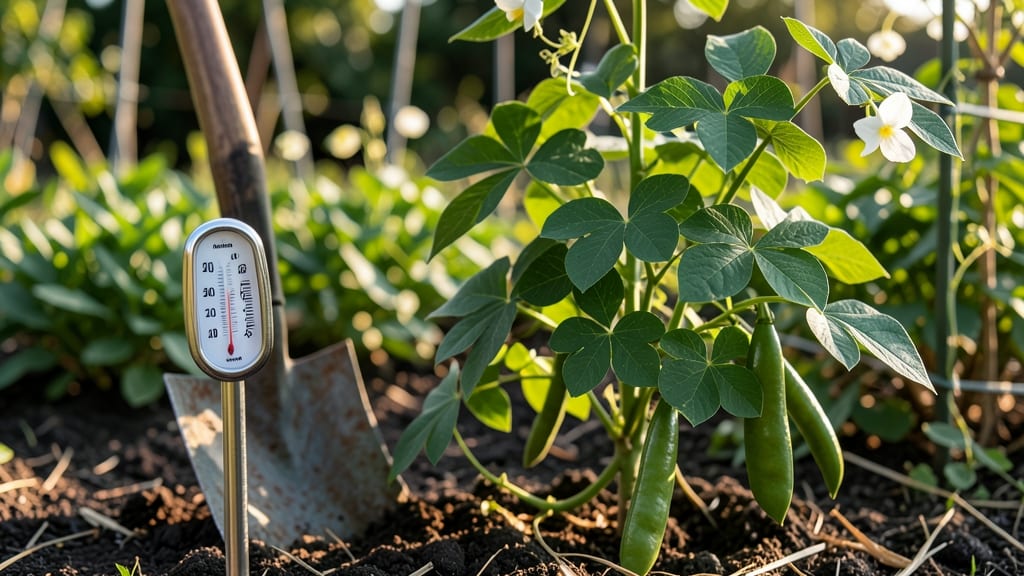
Getting your soil temperature right for beans is the difference between a garden full of thriving 🌱 plants and a patch of stubborn, slow-to-sprout seeds.
Struggling with slow bean germination or weak plant growth? The secret often lies beneath the surface—in your soil temperature. Get it right, and you’ll see faster sprouts and healthier plants in just days instead of weeks.
Beans need soil that’s warm enough to kickstart their growth but not so hot it stresses them out. Too cold, and they’ll sit there like stubborn teenagers refusing to budge; too hot, and they’ll bolt before you’ve even had a chance to enjoy them.
Below, I’ll walk you through the ideal soil temperatures for different bean types, how to test and adjust your soil, and the fastest ways to troubleshoot if things go wrong. Let’s get those beans growing!
Optimal soil temperature ranges for bean germination by variety
Beans are sensitive to soil temperature, and planting them at the wrong time can mean the difference between fast, healthy germination and weeks of waiting—or worse, no sprouts at all.
The ideal soil temperature for beans typically ranges between 60°F and 90°F (15°C to 32°C), but different varieties have slightly different preferences. Understanding these ranges helps you time your planting for maximum success, especially in cooler climates where soil warms slowly.
Temperature affects enzyme activity inside the seed, which controls how quickly water and nutrients are absorbed. Below 60°F (15°C), germination slows dramatically, while above 90°F (32°C), seeds may rot before sprouting. Even a few degrees outside this range can delay germination by 3-7 days, so precision matters.
Let’s break down the best soil temperatures for the three main bean types: pole beans, bush beans, and runner beans.
| Bean Type | Optimal Soil Temp (°F/°C) | Germination Speed | Minimum Viable Temp (°F/°C) | Notes |
|---|---|---|---|---|
| Pole Beans (e.g., Kentucky Wonder, Blue Lake) | 65-85°F (18-29°C) | 5-10 days | 55°F (13°C) | Sensitive to cold; slower growth below 70°F (21°C). |
| Bush Beans (e.g., Blue Lake Bush, Romano) | 70-85°F (21-29°C) | 4-8 days | 60°F (15°C) | Faster germination than pole beans; tolerates heat better. |
| Runner Beans (e.g., Scarlet Runner, Kentucky Wonder) | 60-75°F (15-24°C) | 7-14 days | 50°F (10°C) | Slower to germinate; prefers cooler soils but struggles in heat. |
Pole beans, like Kentucky Wonder, prefer slightly cooler soils (65-85°F) and germinate in 5-10 days under ideal conditions. However, they can stall below 70°F (21°C), making them tricky in early spring.
If you’re planting in USDA Zone 5 or colder, use black plastic mulch to warm the soil by 5-10°F and speed up germination.
Bush beans, such as Blue Lake Bush, are the most heat-tolerant and germinate fastest (4-8 days) when soil hits 70-85°F (21-29°C). They’re my go-to for late spring or summer plantings because they handle warmer soils better than other types.
If your soil is below 60°F (15°C), consider using a seedling heat mat to kickstart growth.
Runner beans, including Scarlet Runner, are the most cold-tolerant but slowest to germinate (7-14 days). Their optimal range of 60-75°F (15-24°C) makes them ideal for early spring or fall plantings in warmer climates.
In Zone 7 and above, you can even plant them in late winter if protected from frost. However, they struggle in soil above 85°F (29°C), often rotting before sprouting.
Soil temperature isn’t just about the number on a thermometer—it’s also about moisture and consistency. Dry soil heats up faster and can push temperatures 10°F higher than moist soil.
To check your soil’s readiness, use a soil thermometer (insert it 2 inches deep) in the morning after the sun has warmed the ground. If it’s below the ideal range, wait a few days or use row covers to trap heat.
Enzyme activity inside the seed peaks at 75-85°F (24-29°C), which is why bush beans thrive in this range. Below 60°F (15°C), enzymes slow down, and seeds may never sprout. Above 90°F (32°C), seeds can overheat and rot.
This is why late summer plantings often fail—even if air temperatures seem perfect, the soil can be scorching. Always plant in the early morning or late afternoon to avoid stressing seeds with extreme heat.
If you’re in a cooler climate, like Zone 4 or 5, start seeds indoors in biodegradable pots and transplant them when soil reaches 60°F (15°C). For warmer zones (Zone 8+), focus on fall plantings when soil cools naturally. In Zone 6 or 7,
How to test and adjust soil temperature for bean growth
Getting your soil temperature right is the key to unlocking fast bean germination and strong plant development. Beans thrive when the soil reaches 60°F (15°C) or warmer, but many gardeners accidentally plant too early—leading to slow sprouts or failed seeds.
The good news? You can easily test and adjust your soil temperature with simple tools and techniques.
Before you dig in, know that soil temperature fluctuates daily and weekly, especially in early spring or late fall. Cold, damp soil can delay germination by weeks, while overheated soil may cause seeds to rot.
The solution? Learn how to measure accurately and use natural methods to warm or cool your soil as needed.
- 🌡️ Step 1: Measure Soil Temperature
Use a soil thermometer (insert 2-3 inches deep) or a DIY method: Fill a jar with soil, add water to saturate, and check the temperature with a regular thermometer. Aim for 60-90°F (15-32°C) for best results. - 📅 Step 2: Time Your Planting
Wait until morning soil temps consistently hit 60°F (15°C). In cooler climates, this may mean planting in late May or early June. Use a planting calendar for your region to avoid guesswork. - ☀️ Step 3: Warm Cold Soil Naturally
Spread black plastic mulch 1-2 weeks before planting to raise temps by 5-10°F (3-6°C). Alternatively, use clear plastic row covers to trap heat during the day and release it at night. - 🌿 Step 4: Cool Overheated Soil
If temps exceed 90°F (32°C), shade soil with straw mulch or shade cloth (30-50%). Water deeply in the morning to cool the soil gradually without shocking seeds. - ⏳ Step 5: Monitor and Adjust
Check soil temps daily for 3-5 days post-planting. If germination stalls, try a bottom-watering tray (for containers) or move pots to a warmer spot. Adjust mulch or covers as needed.
One common mistake is planting beans too early, hoping for warmer soil later. Cold soil slows enzyme activity in seeds, leading to uneven or failed germination. Conversely, planting in scorching heat can cause seeds to dry out before sprouting.
Always test soil temp for 3 consecutive days before committing to your planting date.
For container gardeners, pre-warm soil by placing pots in a sunny window or on a heat mat for 24 hours before sowing. If you’re in a short-season climate, consider using heat-loving varieties like 'Contender' or 'Blue Lake,' which tolerate slightly warmer soil better than others.
Remember, consistency is key. Soil temp swings of more than 10°F (6°C) in a day can stress young seedlings. Use mulch consistently and avoid disturbing the soil surface after planting. With these adjustments, you’ll see faster germination and healthier bean plants in just days.