
Vegetables
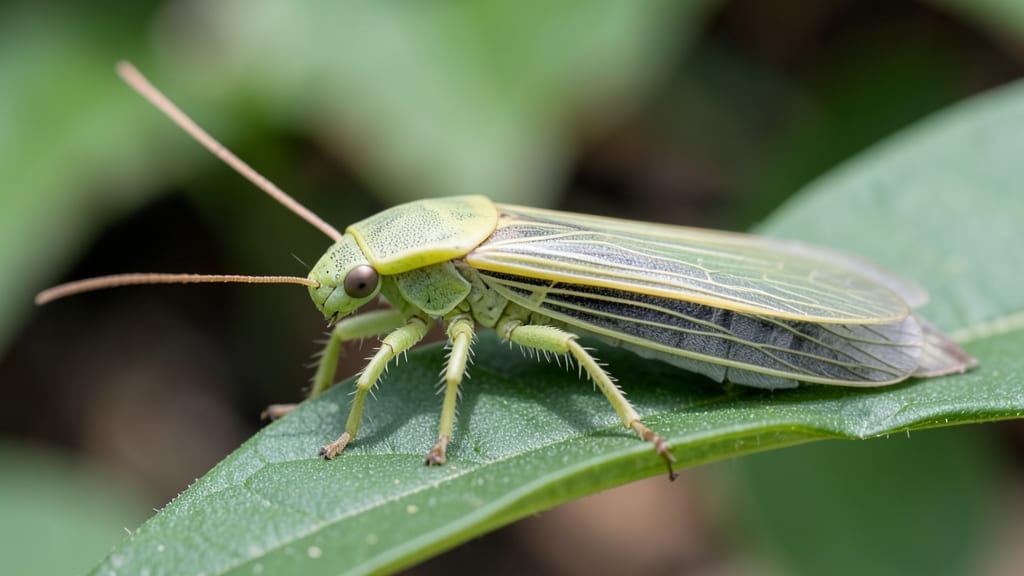
Green bean bugs can turn your thriving plants into a skeleton of leaves and chewed pods in days—unless you act fast. 🌱 I’ve lost entire harvests to these sneaky pests, but the right organic sprays and prevention tactics can save your garden without harsh chemicals.
The key is catching them early, when damage is minimal but still visible.
Mexican bean beetles, aphids, and spider mites are the usual suspects, leaving behind telltale signs: jagged leaf edges, sticky residue, or tiny eggs clustered on the undersides of leaves.
The moment you spot these, your plants are already under siege. Most gardeners reach for sprays too late—by then, the bugs have moved on to your neighbors’ gardens.
With the right organic spray solution, you’ll see a dramatic turnaround in just 24 hours: fewer holes, no new damage, and plants that bounce back with vibrant green foliage.
The secret isn’t just spraying—it’s combining neem oil, insecticidal soap, and kaolin clay in a way that disrupts their life cycle while keeping pollinators safe.
Here’s the game-changer: prevention works better than cure. Rotate crops yearly, plant nasturtiums as a trap crop, and inspect plants weekly. Once you master these steps, your green beans will stay healthy, productive, and pest-free—no more panic in July when the beetles arrive.
Root Causes Of Bean Pests
When your green beans become a buffet for tiny invaders, it’s rarely a random attack—these pests are drawn by specific conditions in your garden. Understanding the why behind their presence helps you disrupt their lifecycle before they strip your plants bare. Here’s a breakdown of the key triggers:
Green bean pests—like aphids, Mexican bean beetles, and even spider mites—thrive in gardens where plants are packed too closely. Why? Dense foliage creates a humid, shaded microclimate that:
- Traps moisture on leaves, making them stickier and more attractive to sap-sucking bugs.
- Reduces natural predators (like ladybugs or lacewings) that need open spaces to hunt.
- Slows drying time after rain or watering, giving pests easier access to tender new growth.
Actionable fix: Space plants 4–6 inches apart (or follow seed packet guidelines) and prune lower leaves to improve airflow. If you’re growing in containers, ensure they’re not overpotted—root-bound stress weakens plants, making them more vulnerable.
Pests target stressed plants like vultures circling a wounded animal. Green beans deprived of key nutrients become easy prey because:
- Low nitrogen leads to pale, slow-growing leaves—aphids and whiteflies love weak, sugary sap.
- Potassium deficiency weakens cell walls, making plants more susceptible to chewing pests (e.g., bean beetle larvae).
- Excess phosphorus can attract fungus gnats and other soil-dwelling pests by promoting lush, pest-magnet foliage.
Actionable fix: Test your soil and amend with a balanced organic fertilizer (e.g., 5-5-5 or compost tea). For a quick boost, side-dress with fish emulsion (high in nitrogen) or kelp meal (rich in potassium). Avoid over-fertilizing—pests exploit excess growth like a free meal.
Watering habits directly influence pest populations. Here’s how:
| Issue | Pest Attraction | Why It Happens |
|---|---|---|
| Overwatering | Aphids, spider mites, slugs | Soggy soil breeds fungal diseases (like powdery mildew), which also attract pests. Plus, damp leaves provide hiding spots for egg-laying. |
| Underwatering | Mexican bean beetles, leaf miners | Drought-stressed plants produce more sugars in leaves to survive, making them sweeter (and more appealing) to pests. |
| Inconsistent watering | Whiteflies, thrips | Fluctuating moisture confuses plants’ defenses, leaving them vulnerable to opportunistic bugs. |
Actionable fix: Water at the base of plants (not overhead) in the early morning to allow foliage to dry quickly. Use drip irrigation or soaker hoses to maintain even moisture. Mulch with straw or grass clippings to retain soil moisture and deter pests.
Healthy gardens aren’t just about what you plant—they’re about who you invite. Pests like green bean bugs multiply unchecked when:
- Natural predators are absent: Ladybugs, parasitic wasps, and ground beetles keep pest populations in balance—but they need habitat (e.g., wildflowers, leaf litter, or undisturbed soil).
- Monoculture planting (rows of only green beans) removes the diversity that supports a balanced ecosystem.
- Pesticides (even organic ones) wipe out beneficials along with pests, creating a vacuum that pests rush to fill.
Actionable fix: Plant companion flowers like marigolds, alyssum, or dill near your beans to attract predators. Avoid broad-spectrum sprays—opt for targeted organic solutions (like neem oil or insecticidal soap) that spare beneficial insects. Leave some garden "mess" (e.g., leaf litter, logs) to provide shelter for predators.
Pests don’t attack randomly—they follow environmental cues. For green beans, the biggest seasonal red flags are:
- Warm, humid summers: Ideal for aphids, spider mites, and whiteflies, which reproduce rapidly in heat.
- Late-season drought: Stresses plants, making them release chemical signals that attract pests like Mexican bean beetles.
- Cool, damp springs: Fungal diseases (e.g., rust) weaken plants, opening the door for secondary insect pests.
Actionable fix: Monitor weather forecasts and time your planting to avoid peak pest seasons. Use row covers (floating fabric) early in the season to block flying pests. In hot climates, shade cloth can reduce humidity around plants, making them less appealing.
Quick Fixes for Bean Plant Pests
Dealing with pesky invaders on your green beans? Don’t let them ruin your harvest—here’s how to tackle them organically and keep your plants thriving. Below, we’ve mapped common causes to simple, effective solutions, plus prevention tips to stop future outbreaks.
Before spraying, confirm what’s attacking your beans.
Green bean bugs (like aphids, Mexican bean beetles, or spider mites) leave distinct clues: - Sticky residue? Aphids or whiteflies are likely. - Chewed leaves? Mexican bean beetles or Japanese beetles may be the culprits. - Tiny webs? Spider mites are hiding in plain sight.
🔥 1. Aphids & whiteflies (sap-sucking menaces)
Signs: Curling leaves, honeydew (sticky droplets), ants (they farm aphids!). Fix:
- Neem Oil Spray 🍃
- Mix 1 tbsp neem oil + 1 tsp mild soap + 1 quart water.
Spray early morning or late evening (avoid direct sun—it burns leaves). - Reapply every 5–7 days until pests vanish. - Insecticidal Soap 🧼 - Use a store-bought or homemade version (1 tsp castile soap + 1 quart water).
Spray directly on bugs (soapy water kills on contact). - Blast Them Off 💨 - A strong spray of water from a hose can knock aphids off plants. Do this 2–3 times a week for heavy infestations.
💡 Prevention Tips:
- Plant companion crops like marigolds or basil—they repel aphids naturally.
- Encourage ladybugs (their natural predators) by adding a shallow water dish with pebbles to your garden.
- Remove infected leaves immediately to stop the spread.
🍳 2. Mexican bean beetles (leaf-munching bullies)
Signs: Yellow-orange beetles with black spots, skeletonized leaves (only veins remain). Fix:
- Handpick & Drown 👨🍳
- Early morning, shake beetles into a bucket of soapy water.
Check under leaves daily—they hide there! - Kaolin Clay Spray 🏺 - Mix 1 cup kaolin clay + 1 gallon water. Spray evenly on leaves to create a barrier they hate.
Reapply after rain. - Row Covers 🛡️ - Use floating row covers (lightweight fabric) over young plants to block beetles. Remove when flowers appear (they need pollinators).
💡 Prevention Tips:
- Rotate crops—don’t plant beans in the same spot yearly.
- Interplant with radishes—they trap beetles’ attention away from your beans.
- Plant late (after June) to avoid the beetles’ first wave.
🕷️ 3. Spider mites (tiny web weavers)
Signs: Fine webbing on leaves, yellow stippling, leaves turn brown and crispy. Fix:
- Water Blasts 💦
- Spider mites hate humidity.
Spray plants daily with water (especially undersides) to wash them off. - Horticultural Oil 🛢️ - Use dormant oil (safe for plants) and spray thoroughly. Works best in 70–80°F temps. - Release Predatory Mites 🕸️ - Buy Phytoseiulus persimilis (beneficial mites) from garden centers.
They eat spider mites and reproduce fast.
💡 Prevention Tips:
- Keep plants hydrated—drought stress attracts spider mites.
- Avoid over-fertilizing (especially nitrogen)—it makes plants more vulnerable.
- Prune crowded foliage to improve airflow and reduce hiding spots.
🍅 4. General pest barrier (prevent future attacks) fix:
- Diatomaceous Earth (DE) 🪨
- Sprinkle food-grade DE around plant bases (not directly on leaves). It dehydrates bugs but is safe for plants.
Reapply after rain. - Garlic & Chili Spray 🧄🌶️ - Blend 1 garlic bulb + 1 chili pepper + 1 quart water. Strain, add 1 tsp soap, and spray weekly.
Bugs avoid the smell. - Copper Tape 🔺 - Wrap copper tape around trellises or stakes—it emits a mild electric charge that repels crawling pests.
💡 Prevention Tips:
- Inspect plants weekly—catch problems early before they spread.
- Clean up debris—bugs love hiding in old plant matter.
- Plant trap crops like nasturtiums to lure pests away from your beans.
- Morning or evening (avoid midday sun—it can harm plants and reduce spray effectiveness).
- Every 5–7 days for neem/soap sprays; weekly for barriers like DE.
- After rain—always reapply organic sprays if it’s been wet.
For heavy infestations, mix neem oil + insecticidal soap + handpicking. Rotate methods to prevent resistance in pests.
Remember: Patience is key! Organic solutions work gradually, but they’re safer for your plants, pets, and pollinators. With consistent care, your green beans will bounce back—and next season, they’ll be even tougher! 🌱💪
Frequently asked questions
What are the most common green bean pests I should watch for?
The top culprits are Mexican bean beetles (yellow-orange with black spots), aphids (tiny green/black clusters), spider mites (tiny webs + yellow stippling), and whiteflies (tiny white moths that flutter when disturbed). Check undersides of leaves daily—they love hiding there!
How do I tell if my green beans have a bug problem?
Look for chewed leaves (only veins remain), sticky residue (aphid honeydew), tiny holes in pods, or yellow-orange beetles. Early signs include curled leaves or ants (they farm aphids). Act fast—damage spreads quickly!
Will organic sprays harm my green beans or pollinators?
Most organic solutions like neem oil or insecticidal soap are safe when used correctly. Always spray early morning/evening (avoid midday sun) and never mix with synthetic pesticides. Beneficial insects like ladybugs recover quickly—just avoid overapplying!
Can I save my green beans if they're already heavily infested?
Yes! Start with handpicking beetles (drop in soapy water) and neem oil spray immediately. For spider mites, blast leaves with water daily. If pods are already damaged, harvest what’s left and focus on preventing spread to remaining plants.
How often should I apply organic sprays for prevention?
For neem oil or insecticidal soap, spray every 5–7 days during peak pest seasons (late spring/summer). Use kaolin clay weekly if beetles are a recurring issue. Always reapply after rain—organic sprays wash off easily!