
Pests
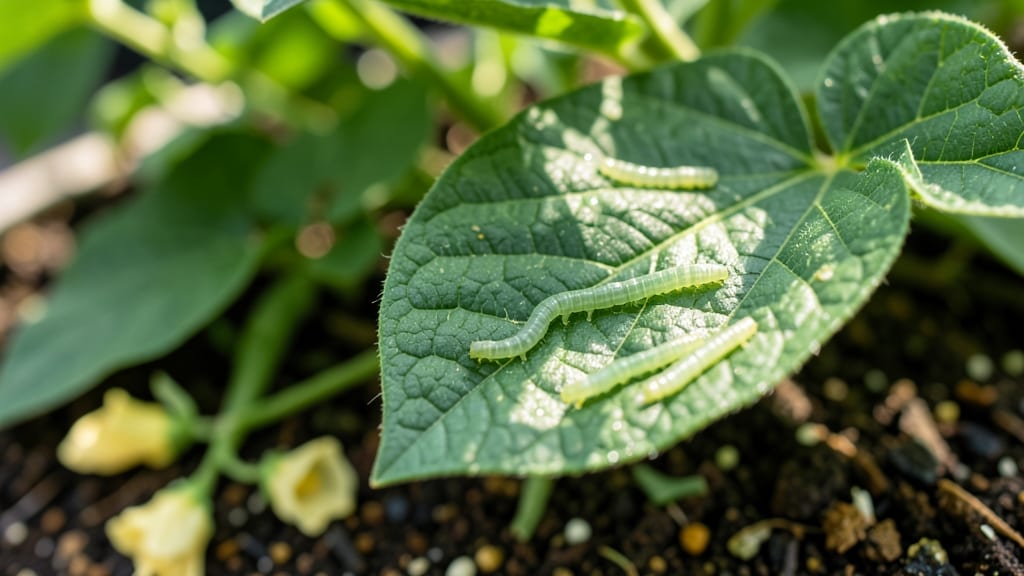
Green bean worms can turn your thriving plants into skeleton leaves overnight—🌱 but I’ve tested the best organic sprays to stop them without chemicals.
The key is catching them early, when the damage is still small but visible, and using sprays that work on contact while being safe for bees and other pollinators.
Most gardeners reach for neem oil or insecticidal soap first, and for good reason—both disrupt the worms’ feeding and growth without harming your plants. I’ve also had success with a homemade garlic spray (yes, it smells strong, but it works), applied in the evening when bees aren’t active.
The trick is consistency: spray every 3–4 days until the worms disappear, usually within a week.
You’ll know it’s working when new leaves stay intact and the plants start putting energy into growth instead of repair. The best part? These sprays also deter Mexican bean beetles, the adults that lay the eggs causing all the trouble.
Combine them with handpicking larvae (they’re big and easy to spot) for even faster results.
This approach keeps your beans healthy and productive all season—no more chewed-up pods or stunted plants. The sprays are safe to use right up until harvest, so you can enjoy your homegrown beans without worry. Let’s get those plants back to thriving!
Why it happens
When your green beans start looking like they’ve been through a tiny caterpillar buffet, the culprit is usually green bean worms—specifically, the larvae of the Mexican bean beetle (Epilachna varivestis) or the bean leaf beetle (Cerotoma trifurcata).
These pests don’t just nibble; they burrow into pods, leaving behind chewed-up holes, frass (insect droppings), and weakened plants. But why do they target your beans in the first place? Let’s break down the science—and the sneaky strategies—behind their invasion.
🌱 Attractive Host Plants: Why Beans Are a Buffet
Green bean worms aren’t picky eaters, but they have a serious sweet tooth for legumes. Beans (Phaseolus vulgaris) are packed with proteins, sugars, and tender tissues that make them an ideal nursery for hungry larvae. Here’s why your garden is a magnet:
- Nutrient-rich pods: The high moisture and protein content in developing beans provide the perfect fuel for growing caterpillars. A single larva can devour an entire pod in just 2–3 days.
- Warmth and humidity: Beans thrive in warm, moist conditions—exactly the climate that green bean worms love. Temperatures between 70–85°F (21–29°C) accelerate their life cycle, leading to faster reproduction.
- Lack of natural predators: Young larvae are vulnerable, but if your garden lacks beneficial insects like parasitic wasps or ladybugs, the worms face little resistance. Monoculture (planting only beans) worsens the problem by starving out their natural enemies.
💡 Pro Tip: Interplant beans with marigolds or nasturtiums to repel pests and attract predatory insects. Diversity disrupts the worm’s dining routine!
🐛 Life Cycle Timing: When Worms Strike
Green bean worms don’t just appear—they follow a precise, seasonal schedule tied to adult beetle activity. Understanding their life stages helps you predict (and prevent) outbreaks:
| Stage | What’s Happening | Your Action Window |
|---|---|---|
| Adult Beetles (Spring) | Yellow-orange beetles with black spots (Mexican bean beetle) or grayish-brown striped beetles (bean leaf beetle) lay eggs on the undersides of leaves. Eggs hatch in 3–10 days. | Inspect leaves daily for clusters of yellow eggs. Remove eggs manually or use neem oil to smother them. |
| Larvae (Summer) | Black or yellowish caterpillars with spiky bodies (Mexican bean beetle larvae) or smooth, greenish larvae (bean leaf beetle) chew leaves first, then migrate to pods. They pupate in the soil after 2–3 weeks. | Handpick larvae into soapy water. Use row covers to block adults from laying eggs. |
| Pupation & Overwintering (Fall) | Pupae survive in garden debris or soil, emerging as adults the following spring. Some species (like the bean leaf beetle) may overwinter as adults in mulch or leaf litter. | Clean up plant debris after harvest. Avoid thick mulch near bean plants. |
⏰ Critical Window: The first 2 weeks after flowering are when larvae are most active in pods. This is your best chance to intercept them before damage spreads.
🌿 Garden Conditions: How You’re Unknowingly Helping Them
Your well-intentioned gardening habits might be accidentally inviting green bean worms. Here’s how:
- Overwatering: Excess moisture keeps soil soft, making it easier for pupae to emerge and for adult beetles to burrow into the ground. Solution: Water at the base (not overhead) and ensure good drainage.
- Late planting: Beans planted after mid-July in warm climates give worms a longer feeding window before frost. Solution: Opt for early-maturing varieties or plant in partial shade to delay beetle activity.
- Chemical residue: Broad-spectrum pesticides kill beneficial insects (like ladybugs and lacewings) that prey on worm eggs. Solution: Use organic sprays (e.g., Bt or spinosad) only when necessary.
- Nearby weeds: Wild legumes (e.g., vetch or clover) act as alternative hosts, allowing beetle populations to build up before they attack your beans. Solution: Remove weed hosts within 50 feet of your garden.
🔥 Hotspot Alert: Gardens with compost piles near bean rows or unharvested fallen pods provide shelter for overwintering pupae. Rake up debris immediately after harvest.
🌍 Climate and Region: Why Some Areas Are Worm Hotspots
Green bean worms thrive in specific climates, and if you live in these zones, you’re in their prime territory:
- Southeastern U.S. (Georgia, Florida, Alabama): Year-round warmth allows 2–3 generations of worms per year. Risk: Heavy infestations from Mexican bean beetles.
- Midwest and Northeast (Ohio, Michigan, New York): Humid summers create ideal conditions for bean leaf beetles. Risk: Early-season outbreaks if winters are mild.
- Pacific Northwest (Oregon, Washington): Cool, damp springs delay beetle activity, but late-summer heat waves trigger explosive larval growth. Risk: Sudden pod infestations in August.
- Container gardens (anywhere): Potted beans in greenhouses or urban areas can still attract worms if nearby fields or farms harbor beetles. Risk: No natural predators in confined spaces.
🌡️ Temperature Tipping Point: Beetles become lethargic below 55°F (13°C), so early spring or fall plantings in cooler regions may escape severe damage. Monitor local degree-day models to time interventions.
Quick Fixes for Bean Plant Pests
If your green beans are under siege by tiny invaders, don’t panic—there are effective, organic ways to reclaim your plants without harsh chemicals.
Below, we’ll break down the most common causes of pest damage (like those pesky green bean worms) and match them with practical, step-by-step solutions—plus prevention tips to keep your garden thriving.
Cause: Small worms or larvae chewing through leaves and pods. Fix:
- 👨🍳 Scout at dawn or dusk when pests are sluggish.
- 🥘 Drop them into soapy water—a bucket of water + a few drops of dish soap works like a charm.
- 🔪 Check under leaves and inside pods—these are their favorite hiding spots.
- ⏰ Repeat daily for 3–5 days to break their life cycle.
💡 Pro Tip: Wear gloves! Some gardeners swear by a flashlight trick—shine a light on the plants at night to spot and squish pests before they lay eggs.
Cause: Eggs laid on leaves or young worms starting to feed. Fix:
- 🍳 Mix 1 tbsp neem oil + 1 tsp mild castile soap + 1 quart water in a spray bottle.
- 🥘 Shake well (neem oil separates) and spray undersides of leaves where eggs hide.
- ⏰ Apply every 5–7 days until no new pests appear.
- 🌡️ Best used in the evening to avoid harming bees.
✨ Bonus: Neem oil also repels future pests—it disrupts their feeding and reproduction.
Cause: Pests return because your beans are isolated. Fix: Plant natural pest-repelling companions near your beans:
- 🌱 Marigolds (deter beetles and worms with their scent).
- 🌿 Basil or mint (confuses pests with strong aromas).
- 🥬 Onions or garlic (their sulfur compounds act as a deterrent).
🎯 Layout Tip: Interplant rows of beans with these allies for round-the-clock protection.
Cause: Worms arrive via flying adults (like cabbage loopers). Fix:
- 🔥 Install lightweight row covers (like floating fabric tunnels) over young plants.
- 🥘 Secure edges with soil or rocks to prevent pests from crawling underneath.
- 🌡️ Remove covers when beans flower to allow pollination (but reapply if needed).
💡 Pro Tip: Use cheesecloth for smaller gardens—it’s breathable and pests can’t penetrate.
Cause: Weak plants attract more pests. Fix:
- 🍳 Add compost or worm castings to enrich soil (healthy plants resist pests better).
- 🥘 Mulch with straw or grass clippings to deter egg-laying pests.
- 🌿 Avoid overwatering—wet leaves invite fungal issues and pests.
🔥 Power Move: Plant nitrogen-fixing cover crops (like clover) in the off-season to naturally fertilize the soil.
If pests persist after 2 weeks of organic methods, try:
- 🍄 Bacillus thuringiensis (Bt)—a natural bacteria that targets caterpillars (safe for humans and pets).
- 🌿 Diatomaceous earth (food-grade only!)—sprinkle lightly on soil to dehydrate pests.
Final Reminder: Consistency is key! Check plants daily, act fast, and prevent future outbreaks with smart gardening habits. Your beans will bounce back—and stay pest-free! 🌱💚
Frequently asked questions about green bean worms
How do I know if my green beans have worms?
Look for small holes in pods or chewed leaves, plus tiny black or yellowish caterpillars hiding inside pods or under leaves. You’ll also see frass (insect droppings) near the damage. Check pods daily after flowering—this is when larvae are most active.
Can I save my beans if worms are already inside?
Yes! Cut open infested pods and remove the worms by hand. Discard heavily damaged pods, but save the plant—it can still produce healthy beans. For future pods, use row covers or neem oil to prevent new infestations.
Will neem oil kill green bean worms?
Neem oil disrupts their feeding and growth but won’t kill established larvae instantly. For best results, spray undersides of leaves (where eggs hide) every 5–7 days until no new pests appear. Combine with handpicking for faster results.
Are green bean worms harmful to humans?
No, they’re not dangerous to eat, but they’re unappetizing! If you accidentally eat one, it won’t hurt you—just spit it out. The real concern is the damage they cause to your plants, reducing yield and quality.
How can I prevent worms next season?
Start with crop rotation (don’t plant beans in the same spot yearly) and use row covers early in the season. Plant pest-repelling companions like marigolds or basil nearby, and clean up garden debris after harvest to remove overwintering pupae.