
Pests
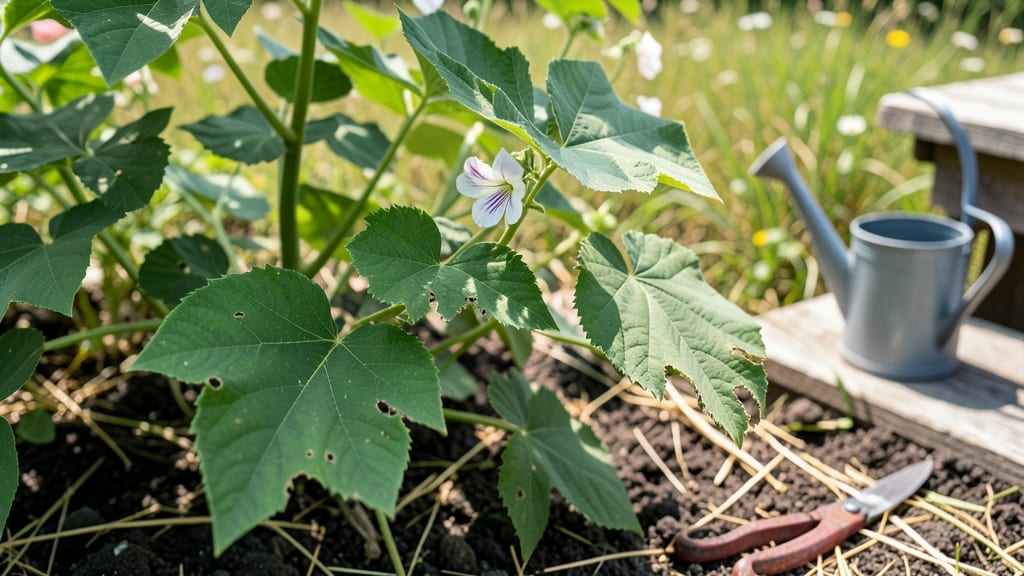
Those jagged holes in your bean leaves aren’t just unsightly—they’re a Mexican bean beetle infestation waiting to happen. 🌱 I’ve watched these pests turn lush green plants into skeleton leaves in just days, and the key to stopping them starts with early identification and smart prevention.
Mexican bean beetles chew through leaves like tiny, orange-green lawnmowers, leaving behind skeletonized foliage that stunts growth and cuts yields. The good news? You can outsmart them with simple organic controls—neem oil sprays, row covers, and hand-picking adults before they lay eggs. I’ve saved entire crops using these methods alone.
By the time you spot the first holes, it’s already too late for that plant—but your next batch can thrive with preventive planting and weekly inspections. A few minutes of vigilance now means no more defoliated vines later. Here’s exactly how to break their lifecycle before they start.
This works for bush beans, pole beans, and even soybeans—just swap out the timing for your local growing season. The same principles apply whether you’re dealing with a small backyard patch or a larger farm plot. Let’s protect those plants before the beetles arrive.
Root Causes Of Leaf Damage
Holes in bean leaves aren’t just random bad luck—they’re often a clear sign of an underlying issue. Understanding the why behind these unsightly marks is the first step to protecting your plants.
Below, we break down the most common culprits, from hungry pests to environmental stress, with science-backed explanations and actionable insights.
Bean leaves are a buffet for many pests, and their feeding habits leave behind telltale holes. Here’s who’s likely responsible:
🔍 Mexican Bean Beetles: The Top Suspect
- Why they do it: These bright yellow-and-black beetles (and their larvae) are specialists in bean leaves. Adults chew irregular, jagged holes, while larvae (spiny, orange grubs) skeletonize leaves, leaving a lace-like pattern.
- Science behind it: Mexican bean beetles inject digestive enzymes into leaves, breaking down tissue before consuming it. Their larvae excrete a sticky, black substance (frass) that further weakens the plant.
- How to spot them: Look for clusters of beetles on the undersides of leaves or eggs in neat rows on the upper surface. 🔎
🐛 Spider Mites: Tiny but Destructive
- Why they do it: These microscopic pests don’t chew—they pierce cells with their mouthparts, sucking out sap. This creates stippled, yellowed patches that later turn into tiny holes as leaves dry out.
- Science behind it: Spider mites thrive in dry, hot conditions and multiply rapidly. Their feeding disrupts the plant’s vascular system, leading to weakened tissue that tears easily.
- How to spot them: Use a magnifying glass to look for fine webbing on leaves or a speckled, bronze appearance. 🕷️
🐞 Other Chewing Insects
- Japanese beetles, aphids, and loopers also target bean leaves. Japanese beetles create large, irregular holes, while aphids cluster and excrete honeydew (a sticky residue). Loopers (caterpillars) leave smooth-edged notches.
- Pro tip: Shake plants over a white tray—falling pests confirm the issue. 🌿➡️🐛
Not all holes come from pests. Sometimes, your beans are under physical stress that makes them vulnerable to damage—or even causes the damage themselves.
💦 Overwatering or Poor Drainage
- Why it happens: Soggy soil leads to root rot, which starves leaves of nutrients. Weakened leaves become easy targets for pests and develop holes from hydraulic pressure—excess water in leaf tissues can cause cells to burst.
- Science behind it: Overwatering disrupts oxygen uptake in roots, triggering ethylene gas production. Ethylene accelerates leaf senescence (aging), making tissues brittle and prone to tearing. 💧🚫
- Actionable fix: Test soil moisture with your finger—water only when the top 1–2 inches are dry. Use raised beds or containers for better drainage.
🌞 Extreme Heat or Sunburn
- Why it happens: Intense sunlight can scorch leaves, creating dry, crispy holes (especially on young or thin leaves). This is common in greenhouses or after sudden temperature spikes.
- Science behind it: High light intensity generates reactive oxygen species (ROS), which damage cell membranes. The plant’s natural response is to shed damaged tissue, leaving behind irregular holes.
- How to spot it: Holes appear dry and papery, often on the upper leaf surface. Affected leaves may also show bleached or white patches. ☀️🔥
- Fix: Provide afternoon shade (use shade cloth) or mulch to keep roots cool.
🌬️ Wind or Hail Damage
- Why it happens: Physical force from wind or hail can tear leaves, creating ragged edges or punctures. This is more common in outdoor gardens during storms.
- Science behind it: Mechanical stress disrupts the leaf’s cuticle layer (its protective waxy coating), making it susceptible to further damage from pests or disease.
- Pro tip: Stake or cage tall bean plants to reduce wind exposure. After storms, inspect leaves for clean tears (no frass or webbing). 🌪️💨
Sometimes, holes are a symptom of a deeper infection that compromises leaf integrity.
🍄 Anthracnose or Bacterial Leaf Spot
- Why it happens: Fungi like Colletotrichum or bacteria like Xanthomonas create water-soaked lesions that expand into holes as the tissue dies. These pathogens thrive in humid conditions.
- Science behind it: The pathogens disrupt cell walls, causing localized cell death. As the infection spreads, the plant “prunes” damaged areas, leaving behind holes with a dark, sunken border.
- How to spot it: Look for concentric rings or target-like patterns on leaves. Yellow halos may appear around holes. 🍄🔍
- Fix: Remove infected leaves immediately and apply copper fungicide. Space plants for airflow to reduce humidity.
🕷️ Secondary Damage from Sap-Suckers
- Why it happens: Pests like aphids or spider mites weaken leaves first by sucking sap. This stress makes leaves more susceptible to fungal infections (e.g., powdery mildew), which can create additional holes as the leaf tissue collapses.
- Actionable step: Treat for pests before fungal symptoms appear. Use neem oil or insecticidal soap as a preventive measure. 🛡️🌱
Now that you know the real reasons behind those pesky holes, the next step is preventing and treating them effectively. Stay tuned!
Fixing Damage From Leaf Chewers
Once you’ve identified the culprit behind those pesky holes in your bean leaves—whether it’s the Mexican bean beetle, aphids, or another hungry pest—it’s time to take action. The good news?
Most fixes are simple, effective, and won’t break the bank. Below, we’ve matched the most common causes to practical solutions, plus prevention tips to keep your beans thriving.
If the beetles themselves (or their yellow eggs) are the problem, manual removal + natural deterrents work best.
🔥 Step 1: Handpick Adult Beetles
- When? Early morning or late evening when they’re sluggish.
- How? Wear gloves and drop beetles into soapy water (1 tbsp dish soap per gallon of water) to kill them instantly.
- Pro Tip: 💡 Check the undersides of leaves—beetles love to hide there!
🍳 Step 2: Scrape Off Eggs
- Mexican bean beetle eggs are bright yellow and clustered on leaf undersides.
- Use a soft brush or damp cloth to gently scrape them off and dispose of them in soapy water.
👨🍳 Step 3: Apply Natural Sprays
| Solution | How to Use | Frequency |
|---|---|---|
| Neem Oil Spray | Mix 1 tbsp neem oil + 1 tsp mild soap in 1 quart water. Spray early morning. | Every 5–7 days |
| Insecticidal Soap | Spray directly on beetles/eggs (avoid blooming beans to protect pollinators). | Every 3–4 days |
| Kaolin Clay | Mix 2 tbsp clay + 1 gallon water. Creates a barrier beetles dislike. | Every 7–10 days |
⏰ Step 4: Use Row Covers (Preventative)
- When? Before beetles appear (late spring/early summer).
- How? Cover young plants with fine mesh netting (1/4-inch or smaller) secured tightly.
Tiny but destructive, aphids and mites suck sap and leave stippled holes or webbing. Water pressure + sticky traps are your best friends.
🔥 Step 1: Blast Them Off
- How? Use a strong spray nozzle to dislodge aphids from leaves. Repeat every 2–3 days.
- Pro Tip: 🌡️ Hot water spray (110°F) can kill mites—test on a small leaf first!
🍳 Step 2: Introduce Beneficial Insects
- Ladybugs and lacewings eat aphids. Buy them online or attract them with dill or fennel plants.
- Predatory mites (like Phytoseiulus persimilis) target spider mites.
👨🍳 Step 3: Apply Horticultural Oil
- When? On non-blooming plants (oil can harm flowers).
- How? Mix 1 tbsp horticultural oil + 1 tsp soap in 1 quart water. Spray evenly on undersides.
If holes are brown, mushy, or accompanied by yellowing, a pathogen may be at work.
🔥 Step 1: Prune & Dispose
- How? Cut off infected leaves with sterilized scissors (wipe with rubbing alcohol).
- Dispose of clippings in the trash not compost—don’t spread spores!
🍳 Step 2: Improve Airflow
- How? Space plants 12–18 inches apart and stake vines to prevent crowding.
- Pro Tip: ✨ Fan trick—place a small fan nearby to reduce humidity around plants.
👨🍳 Step 3: Use Copper Fungicide
- When? At the first sign of bacterial spots.
- How? Spray copper-based fungicide (follow label rates) every 7–10 days.
Once your beans are healthy, proactive steps save time and stress.
- 🌱 Plant Resistant Varieties: Try ‘Rattlesnake’ or ‘Zapallo’ beans—they’re less appealing to beetles.
- 🌿 Interplant with Repellents: Surround beans with marigolds, basil, or nasturtiums to mask their scent.
- 🕰️ Rotate Crops: Don’t plant beans in the same spot two years in a row—beetles overwinter in soil.
- 🌞 Encourage Natural Predators: Let birds, toads, and parasitic wasps thrive by keeping a pest-free garden edge.
Final Note: Consistency is key! Check plants daily during outbreaks and adjust treatments as needed. With these steps, your bean leaves will stay hole-free and happy—and you’ll enjoy a bountiful harvest! 🌱🍲
Frequently asked questions
Why do Mexican bean beetle holes look different from spider mite damage?
Mexican bean beetles create irregular, jagged holes with chewed edges, while spider mites cause tiny stippled dots that later turn into delicate, lace-like holes. The key difference? Beetles leave behind frass (black debris), while mites create fine webbing on leaf undersides.
Can I still harvest beans if the leaves have holes?
Yes, but focus on young pods before the plant becomes severely stressed. Severe defoliation (over 50% leaf loss) reduces photosynthesis, which can stunt pod development. Harvest frequently to encourage new growth and prioritize leaves on the lower stems first.
How do I know if my bean holes are from pests vs. environmental damage?
Pest holes usually have frass (debris), webbing, or visible insects, while environmental damage appears dry, crispy, or uniform. Check for: chewed edges (pests), yellow halos (fungus), or clean tears (wind/hail). A magnifying glass helps spot tiny mites or aphids.
Will neem oil harm my bean plants if used too often?
Neem oil is safe when used correctly, but apply it no more than every 5–7 days and avoid spraying during blooming (it can harm pollinators). For extra safety, dilute with 1 tsp mild soap per quart to reduce phytotoxicity risks.
Can I save my beans if the holes are already widespread?
Act fast! Remove heavily damaged leaves and focus treatments on new growth. For severe cases, consider row covers or beneficial nematodes (like Steinernema carpocapsae) to break the beetle lifecycle. The key is stopping egg-laying before the next generation hatches.