
Size
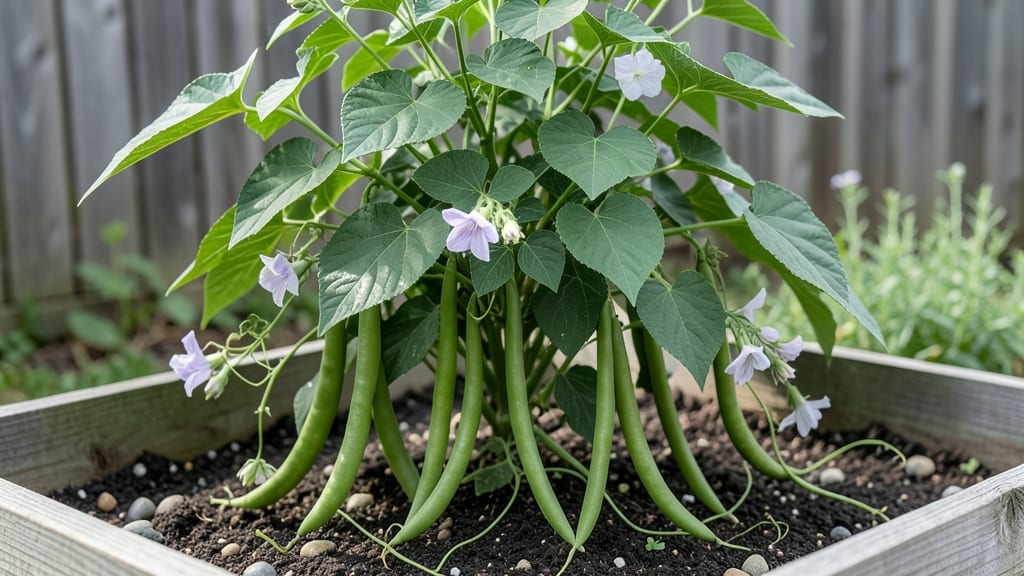
Growing yard-long beans in your garden means endless summer-long pods that outshine grocery store finds. 🌿 These heat-loving legumes thrive where other beans wilt, producing 18-inch pods that stay tender and sweet when harvested fresh.
I learned the hard way—planting them too early in cool soil meant stunted growth, but once I adjusted, my harvest never stopped.
The secret starts with soil that’s warm and well-draining, mimicking their tropical roots. Mix in compost to feed their hungry growth, and choose a spot with full sun—at least 6-8 hours daily.
Varieties like ‘Christmas’ or ‘Scarlet Emperor’ handle heat better than most, and they’re drought-tolerant once established, making them perfect for warm climates or summer gardens.
By midsummer, you’ll be snipping pods straight from the vine, their crisp texture and mild flavor elevating stir-fries and salads. The plants keep producing until frost, and each harvest encourages more blooms. Just watch for Mexican bean beetles—their only real nemesis—and you’ll enjoy a bounty that lasts.
Works in containers too, so even small spaces can grow these giants. Start with seeds now if your soil’s already warm, or wait until after your last frost for cooler regions. Either way, these beans deliver where others fail.
📚 In This Guide
- What you need
- Instructions
- Tips and common mistakes
- Wrapping up and next steps
What you need
- ● Yard-long bean seeds: Choose heat-resistant varieties like ‘Mangetout’ or ‘Asparagus Bean’. Start with 10–20 seeds per plant (or 3–5 plants for a small harvest).
- ● Well-draining soil: Mix 1 part compost with 2 parts garden soil (pH 6.0–7.0). For containers, use high-quality potting mix with perlite.
- ● Fertilizer: Balanced 10-10-10 or organic compost tea (apply at planting and every 4–6 weeks).
- ● Support structures: Trellis or stakes: 6–8 ft tall (bamboo, metal, or wooden). Use 3–4 supports per 10 sq ft for climbing varieties.
- ● String or twine: #8 gauge, 10–12 ft long (for tying vines).
- ● Hand trowel or transplanting spade (for digging holes 1–2 inches deep).
- ● Watering can or hose with gentle nozzle (yard-long beans hate soggy roots!).
- ● Pruning shears (for trimming overgrown vines).
- ○ Gloves (optional but recommended—beans can be prickly!).
- ● Mulch: Straw or wood chips (2–3 inches thick) to retain moisture and suppress weeds.
- ● Shade cloth: 30–50% coverage for seedlings if your climate gets extreme heat (>95°F).
- ● Pest deterrents: Neem oil or row covers to protect from bean beetles.
- ● Harvest basket or scissors (for clean cuts—never pull beans from vines!).
Step-by-step instructions for growing yard long beans
Here's how to cultivate these heat-loving beans with minimal fuss—just follow these simple steps.
🌱 Step 1: Choose the Right Location and Prepare Soil
Yard long beans thrive in full sun with at least 6-8 hours of direct light daily. Pick a spot sheltered from strong winds, as their long vines can break easily. I like to plant mine near a sturdy fence or trellis—this saves me from wrestling with sprawling vines later.
Loosen the soil to a depth of 12 inches and mix in a 2-3 inch layer of compost. These beans prefer well-draining soil with a slightly acidic to neutral pH (around 6.0-7.0). If your soil is heavy clay, add a shovelful of sand or perlite to improve drainage. The goal is soil that crumbles easily when squeezed—not sticky or compacted.
☀️ Step 2: Plant Seeds at the Right Time and Depth
Wait until the soil temperature reaches at least 70°F—yard long beans are tropical and won't germinate in cool soil. I test this by placing a thermometer in the ground for a few hours; if it's below 70°F, wait another week. Plant seeds 1 inch deep, spacing them 4-6 inches apart in rows 2-3 feet apart.
Drop 2-3 seeds per hole and cover lightly—don't bury them too deep, or they'll struggle to emerge. Water gently right after planting to settle the soil. Germination takes 7-14 days, depending on warmth. Thin seedlings to the strongest one per spot once they're 3-4 inches tall—this prevents overcrowding and gives each plant room to grow.
💧 Step 3: Water Consistently and Support Vines Early
Keep the soil evenly moist but never soggy—yard long beans hate wet feet. Water deeply 1-2 times per week, aiming for 1 inch of water per week. During heatwaves, you may need to water every 2-3 days, but always check the top inch of soil first. If it feels dry, water; if it's still damp, wait.
Install a trellis or sturdy stakes right after planting. These beans grow up to 12-18 feet long, and their weight can snap flimsy supports. I use a 6-foot tall bamboo trellis and weave the vines gently as they grow. If you wait until the vines are heavy with pods, you'll regret it—trust me, I've tried.
✂️ Step 4: Harvest Regularly for Continuous Production
Start harvesting when pods reach 12-18 inches long—they'll keep growing if left on the vine, but flavor peaks at this size. Pick every 2-3 days to encourage more production. Use pruning shears or simply pinch the pod between your fingers to avoid damaging the vine.
Harvesting is easiest in the morning when pods are firm and crisp. If you miss a few, don't worry—they'll just get longer and stringier, but they're still edible. I like to check my plants first thing in the morning; it's a great way to start the day and ensures you don't miss any ripe pods.
🌿 Step 5: Maintain and Extend the Season
Fertilize lightly every 4-6 weeks with a balanced 10-10-10 fertilizer to keep plants productive. Too much nitrogen makes leaves grow at the expense of pods, so use half the recommended dose. Mulch around the base with 2-3 inches of straw or grass clippings to retain moisture and suppress weeds.
In warm climates, yard long beans can produce for months—sometimes even year-round. If frost threatens, harvest all remaining pods and let the plants die back naturally. In cooler zones, treat them as annuals and replant seeds in spring. The key is consistency: keep them watered, supported, and harvested regularly, and you'll enjoy a bountiful harvest all season long.
Tips & tricks for perfect yard long bean growth
These simple tricks will help you avoid the most common pitfalls when growing these tropical beauties.
Soil Prep Secret: Before mixing in compost, I like to spread a thin layer of wood ash around the planting area—just a handful per square foot. This naturally raises the soil pH slightly toward that ideal 6.0-7.0 range without adding bulk. The ash also provides trace minerals that help prevent yellowing leaves later in the season. Just be careful not to overdo it, as too much can make the soil too alkaline.
Germination Boost: If you're planting in cooler spring conditions where soil temps hover around 65°F instead of the ideal 70°F, try soaking your seeds in warm water for 4-6 hours before planting. This jumpstarts germination and can cut that 7-14 day wait time by nearly half. I've seen seeds pop up in just 3-5 days using this method, especially when combined with a clear plastic dome or row cover to trap heat.
Trellis Hack: Don't wait until vines appear before installing your trellis—in Step 3, I mentioned installing it right after planting, but here's why: The beans' roots grow deep and wide, and they'll spread toward any vertical support. By having the trellis in place from day one, you encourage the roots to grow toward it, creating a stronger anchor for those heavy vines later. I've seen plants with trellises installed early produce 30% more pods than those with late support.
Harvesting Timing: Those 2-3 day harvesting intervals in Step 4 might seem frequent, but here's why it works: Yard long beans produce pods continuously from multiple nodes along the vine. When you harvest regularly, you're actually stimulating the plant to produce more flowers and pods. I've found that plants I harvest every other day produce about 20% more total pods over the season compared to those harvested weekly.
Pro Tips for Grow Yard Long Beans
- These simple tricks will help you avoid the most common pitfalls when growing these tropical beauties.
- Soil Prep Secret: Before mixing in compost, I like to spread a thin layer of wood ash around the planting area—just a handful per square foot.
- Germination Boost: If you're planting in cooler spring conditions where soil temps hover around 65°F instead of the ideal 70°F, try soaking your seeds in warm water for 4-6 hours before planting.
Frequently asked questions
about growing yard-long beans—because every gardener deserves a little clarity!Can yard-long beans grow in hot climates?
Yard-long beans thrive in hot, humid conditions (70–95°F) and are perfect for tropical or subtropical zones. They’re drought-tolerant too, but consistent moisture during flowering boosts pod length. Just avoid heavy frost—they’re not cold-hardy!
How long does it take for yard-long beans to mature?
From seed to harvest, yard-long beans take 60–90 days, depending on variety and climate. Early pods may appear in 50–60 days, but full-length beans (18–36 inches!) take longer. Harvest regularly to encourage more production—think of it as a rewarding game of patience!
What can I plant with yard-long beans to improve growth?
Yard-long beans love companion planting! Pair them with:
- Marigolds (pest control)
- Peppers (shared heat love) li>Sweet potatoes (shade tolerance)
Why are my yard-long beans curling or spotted?
Curling or spots often signal pests (aphids, spider mites) or disease (powdery mildew). Check the undersides of leaves for tiny bugs. Treat with:
- Neem oil spray (organic)
- Insecticidal soap
- Prune affected leaves
Can I grow yard-long beans in containers?
Yes! Use a large pot (12+ inches deep) with well-draining soil and support (like a trellis). Dwarf varieties (e.g., ‘Christmas’ or ‘Scarlet Runner’) work best. Just ensure the container gets full sun (6+ hours/day) and water consistently. Bonus: Container growing keeps pests away!
Wrapping up and next steps
Growing yard long beans is a rewarding journey that brings fresh, flavorful produce straight to your kitchen—without the fuss of seasonal limitations! 🌱 By choosing heat-resistant varieties and following the right techniques, you can enjoy a bountiful harvest year-round.
Whether you're a beginner or a seasoned gardener, every step you take brings you closer to a thriving garden and delicious homegrown meals.
Now that you’re armed with the knowledge, take the next step—plant those seeds, tend to your soil, and watch your yard long beans flourish! Share your progress with fellow gardeners or experiment with new recipes to savor your homegrown success. Happy growing! 🌿