
Blooming
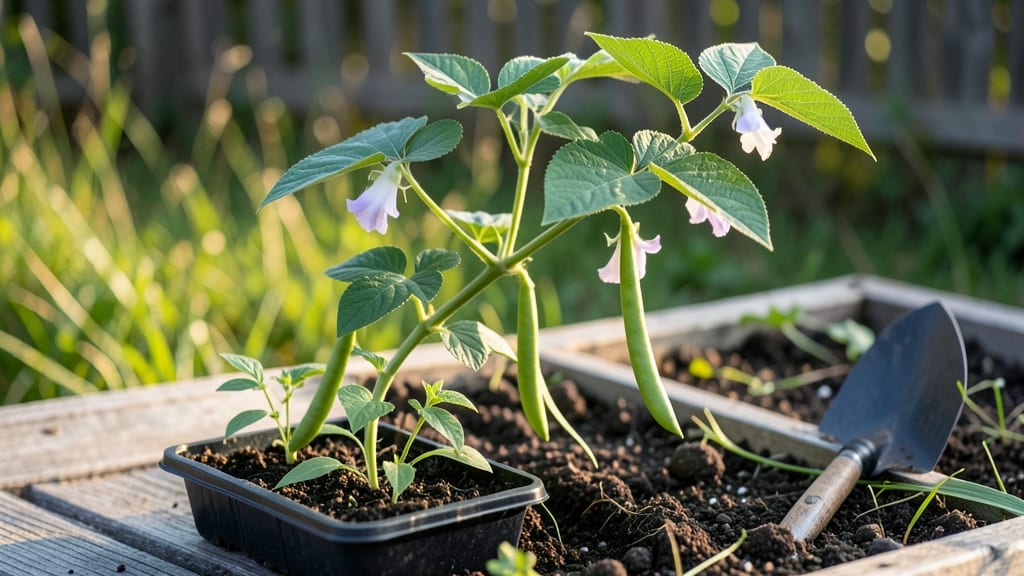
Planting yard long beans on a sturdy pole trellis turns a 3-foot vine into a 10-foot harvest factory. 🌱 I learned the hard way—skipping the trellis means tangled vines and lost pods, but the right setup keeps them climbing, flowering, and producing all summer long.
These aren’t just pretty; they’re the longest, tastiest beans in your garden when grown right.
The secret starts with warm soil—wait until after your last frost when temperatures hit 70°F consistently. Amend your soil with compost for drainage, and plant seeds 1 inch deep, 4-6 inches apart along the trellis line.
Yard long beans need full sun (6+ hours daily) and well-draining soil—they wilt fast if roots sit in soggy ground. Water deeply at the base, not overhead, to prevent fungal issues.
By 6-8 weeks, you’ll see vines racing up the trellis, and the first pods will appear—12-18 inches long if you’ve spaced them right. The trellis isn’t just for looks; it keeps pods clean, easy to pick, and off the damp soil where they rot.
Prune occasionally to encourage airflow, and watch your harvest grow—50+ pods per plant is normal with proper care.
Works in USDA Zones 7-11—just adjust planting time for cooler climates. Start seeds indoors 4-6 weeks before last frost if your season’s short. The best part? These beans thrive in containers or raised beds, making them perfect for small spaces or urban gardens. Let’s get those vines climbing!
📚 In This Guide
- What you need
- Instructions
- Tips and common mistakes
- Wrapping up and next steps
What you need
- ● Yard-long bean seeds: 1–2 lbs (enough for 50–100 plants, depending on spacing). Choose varieties like Asparagus Bean or Chinese Long Bean for best results.
- ● Pole trellis: Bamboo poles: 8–10 ft tall, 1–2 inches in diameter (10–15 poles for a 10x10 ft garden).
- ● OR PVC pipes: 1-inch diameter, 10 ft long (cut to size if needed).
- ○ Trellis netting: 18–24-inch mesh (optional but helps with climbing support).
- ● Garden soil: Well-draining, rich in compost (mix in 2–3 inches of aged compost per planting hole).
- ● Fertilizer: Balanced 10-10-10 or organic options like fish emulsion (follow package rates).
- ● Mulch: Straw or wood chips (2–3 inches thick to retain moisture).
- ● Garden trowel or shovel (for planting holes).
- ● Measuring tape (to space poles 2–3 ft apart).
- ● Zip ties or soft twine (to secure trellis netting or plants to poles).
- ● Watering can or hose with nozzle (for gentle watering).
- ○ Pruners (optional, for trimming excess growth).
- ● Sunlight: Full sun (6–8+ hours daily).
- ● Climate: Plant after the last frost (soil temps should be at least 60°F).
- ● Spacing: 6–12 inches between plants (thinner for bush varieties).
- ● Water access: Consistent moisture (avoid waterlogging).
Step-by-Step instructions for planting yard long beans with a pole trellis
Here’s how I maximize yields by pairing these vining powerhouses with sturdy support.
🌱 Step 1: Choose the Right Location and Prepare the Soil
Yard long beans thrive in full sun—at least 6-8 hours daily—and warm soil. I pick a spot sheltered from strong winds, where the trellis won’t cast shade on nearby plants. Before planting, loosen the soil to a depth of 12 inches with a broadfork or tiller to encourage deep root growth.
Amend the soil with 2-3 inches of compost mixed into the top 6 inches. Yard long beans prefer slightly acidic to neutral soil (pH 6.0-7.0), so test your soil if possible. If your soil drains poorly, add 1 inch of coarse sand to improve aeration—waterlogged roots will stunt growth and invite rot.
☀️ Step 2: Install the Trellis System for Optimal Support
I use 4-6 foot tall bamboo stakes spaced 3 feet apart in a row, tied together at the top with jute twine or zip ties to create a loose lattice. The trellis should be wide enough (4-5 feet) to allow vines to spread without crowding. Avoid metal trellises—they can heat up and burn tender vines in direct sun.
Drive stakes 6 inches deep into the soil for stability. If you’re planting in a windy area, add diagonal supports between stakes for extra reinforcement. The goal is a structure that’s sturdy enough to support 10+ pounds of beans per plant by harvest time—yard long beans are heavy!
🌱 Step 3: Plant Seeds at the Correct Depth and Spacing
Sow seeds 1 inch deep and 4-6 inches apart in rows spaced 3 feet apart. I plant 3-4 seeds per hill (a small mound of soil) to ensure at least one strong seedling emerges—germination can be spotty in cool soil. Water the area 1-2 days before planting to help seeds establish contact with moist soil.
After planting, cover the seeds with ¼ inch of fine mulch (like straw) to retain moisture and regulate soil temperature. Keep the soil evenly moist but not soggy until germination, which typically takes 7-14 days depending on your climate. If the soil surface dries out, seeds may fail to sprout.
🪴 Step 4: Train Vines Up the Trellis and Maintain Growth
Once seedlings reach 4-6 inches tall, gently guide the strongest vine in each hill up the trellis using soft plant ties or twine. Avoid wrapping the stems tightly—they’ll outgrow the support quickly. Yard long beans are aggressive climbers, so they’ll latch onto the trellis within 2-3 weeks if given the chance.
Water at the base of the plant (not overhead) to prevent fungal diseases like powdery mildew. Aim for 1-1.5 inches of water per week, delivered deeply 2-3 times weekly rather than daily shallow watering. Fertilize lightly with a balanced organic fertilizer (10-10-10) when vines start climbing—too much nitrogen will produce lots of leaves but few beans.
✂️ Step 5: Harvest and Prune for Continuous Production
Start harvesting when pods reach 12-18 inches long—they’ll keep growing but become stringy and tough if left too long. I pick every 2-3 days to encourage more production. Use clean pruning shears to snip pods just above a leaf node, leaving the vine intact for continued growth.
If vines slow down after the first flush of beans, trim back old growth (any stems with yellowing leaves) to redirect energy to new shoots. Yard long beans can produce for 3-4 months with proper care, so regular pruning keeps them productive. Save seeds from your best pods for next season—they store well if dried completely.
Tips & tricks for heavy yard long bean harvests
These practical insights will help you avoid common pitfalls and maximize your pole trellis yields.
Sunlight Strategy: The 6-8 hours of daily sunlight is non-negotiable for yard long beans—these vines need intense light to develop their signature length and sweetness. If your garden gets afternoon shade, position your trellis to catch morning sun instead. I've seen yields drop by nearly 40% when plants receive less than 5 hours of direct light, so choose your location carefully before installing stakes.
Soil Preparation Secret: The 12-inch deep soil loosening in Step 1 isn't just about roots—it creates air pockets that prevent waterlogging, which yard long beans hate. For heavy clay soils, mix in an extra 1 inch of coarse sand beyond the 1-inch recommendation to improve drainage. I've found that amending with compost creates a perfect balance: the 2-3 inches we add provides nutrients while the 6-inch mixing depth ensures roots can access moisture during dry spells.
Trellis Reinforcement: The 4-6 foot bamboo stakes might seem sturdy, but when vines reach full maturity with 10+ pounds of beans, that weight becomes a serious test. For windy areas, I reinforce the 3-foot spacing between stakes with diagonal supports made from scrap wood or additional bamboo. This creates a triangular structure that can handle gusts up to 25 mph without collapsing—something I learned the hard way when my first trellis toppled during a summer storm.
Germination Hack: The 7-14 day germination window can feel like an eternity, but you can cut that time by soaking seeds overnight before planting. Place them in a bowl of warm water for 8-12 hours, then plant as directed. This trick works particularly well in cooler climates where germination tends to be slower. Just remember to plant the soaked seeds within 1 inch depth as specified—deep planting after soaking can lead to uneven emergence.
Pro Tips for Planting Yard Long Beans
- These practical insights will help you avoid common pitfalls and maximize your pole trellis yields.
- Sunlight Strategy: The 6-8 hours of daily sunlight is non-negotiable for yard long beans—these vines need intense light to develop their signature length and sweetness.
- Soil Preparation Secret: The 12-inch deep soil loosening in Step 1 isn't just about roots—it creates air pockets that prevent waterlogging, which yard long beans hate.
Frequently asked questions
Got questions about growing yard-long beans? You’re not alone! Here are answers to the most common queries to help you master the art of planting and trellising these high-yielding vines.
When is the best time to plant yard-long beans?
Plant yard-long beans in late spring after the last frost when soil temperatures reach at least 60°F (15°C). They thrive in warm weather and can’t tolerate cold. In warmer climates, you can plant in early summer for a fall harvest. Avoid planting too early—cool soil slows germination.
How do I keep yard-long beans from breaking when they get too heavy?
Use a strong trellis or pole system (like bamboo stakes or a wire mesh) to support the vines. Space poles 3–4 feet apart and train vines upward with soft ties. Prune lower leaves to improve airflow and reduce weight stress. Harvest frequently to prevent overloading branches!
Can I grow yard-long beans in containers or small spaces?
Yes! Choose a large container (at least 12 inches deep and wide) with drainage holes. Use a compact trellis or small teepee structure inside the pot. Dwarf varieties like ‘Christmas’ or ‘Masoala’ work well in tight spaces. Just ensure they get 6+ hours of sunlight daily.
What should I do if my yard-long beans get pests like aphids or spider mites?
Start with neem oil or insecticidal soap for mild infestations. Introduce beneficial insects like ladybugs to control aphids naturally. Keep plants healthy with regular watering and pruning—stressed plants attract pests. For severe cases, use pyrethrin-based sprays as a last resort.
How long does it take for yard-long beans to produce pods?
From planting to harvest, yard-long beans typically take 60–70 days. However, warm weather speeds this up! You’ll see first pods in 4–6 weeks if conditions are ideal (full sun, consistent moisture, and proper trellising). Harvest every 2–3 days to encourage continuous production.
Wrapping up and next steps
Planting yard-long beans with a sturdy pole trellis isn’t just a gardening task—it’s your ticket to a bountiful, low-maintenance harvest that’ll impress even the greenest thumbs! 🌱 By choosing the right variety, setting up a trellis early, and mastering soil prep, you’re already ahead of the game.
Remember, patience and consistency are key, but the payoff—a towering, vine-laden trellis bursting with beans—is totally worth it.
Ready to dive in? Start small this season! Try a 5-foot trellis in a sunny corner of your garden, follow the steps above, and let those beans climb. Before you know it, you’ll be sharing your harvest with neighbors—or even experimenting with new recipes. Happy planting! 🌿