
Blooming
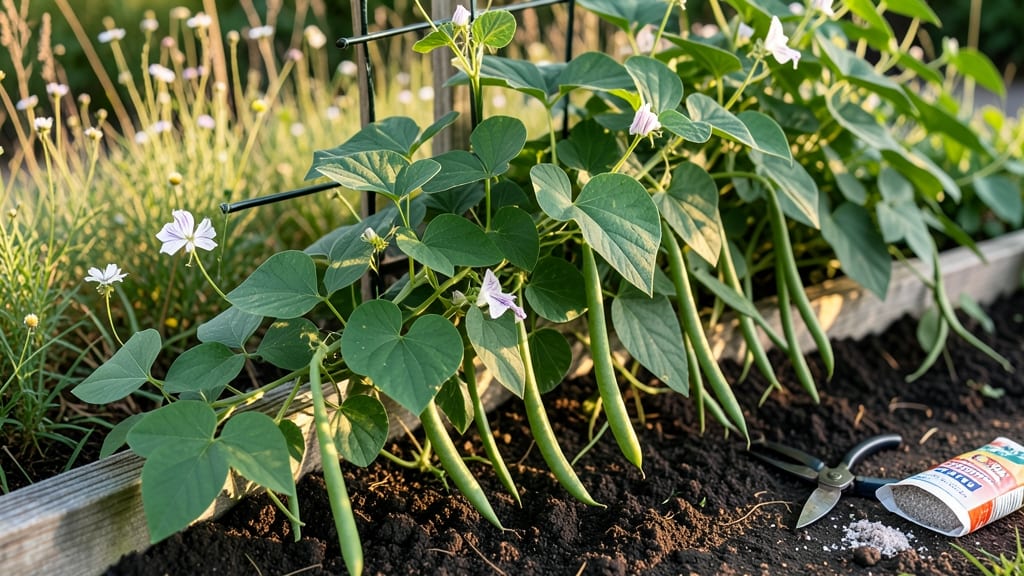
Growing yard-long beans isn't just about planting seeds—it's about unlocking those 6-foot-long harvests that make every summer feel like a victory. 🌱 I learned the hard way that trellises aren't optional; they're the secret weapon for keeping vines off the ground and pods growing long and straight.
The difference between scraggly beans and restaurant-worthy lengths comes down to how you set up that vertical support from day one.
You'll need warm soil and full sun, but the real magic happens when you combine direct sowing after your last frost with a sturdy trellis system. Most beginners make the mistake of planting too close together—crowding stresses the vines and cuts yields in half.
Give each plant 12-18 inches of space, and watch those tendrils climb instead of sprawl. The trellis should be at least 6 feet tall (yes, really) to accommodate the full length of mature pods.
What you end up with is a garden feature that doubles as a food source—imagine 20-30 foot-long beans per plant by midsummer, harvested fresh from the vine. The pods stay crisp when picked young, and the more you harvest, the more the plant produces.
Even in small spaces, a vertical trellis turns a corner into a productivity powerhouse. Here's how to make it happen without the common pitfalls.
This method works best in USDA zones 5-11 during warm seasons, but even cooler climates can grow them as annuals with proper timing. The key is patience—pod development takes 60-70 days from planting, and the first harvests won't come until late summer.
But once those long, slender beans start appearing, you'll understand why gardeners swear by this vertical growing system.
📚 In This Guide
- What you need
- Instructions
- Tips and common mistakes
- Wrapping up and next steps
What you need
- ● Yard-long bean seeds: 20–30 seeds (or 5–7 plants if buying seedlings). Choose varieties like Asparagus Bean or Chinese Long Bean for best results.
- ● Vertical trellis: 1–2 6–8 ft tall wooden stakes (2x2 inches) or metal pipes.
- ● OR a pre-made trellis net (3x6 ft, 1-inch mesh) for easier climbing.
- ● Garden twine or zip ties: 50 ft (for securing vines to the trellis).
- ● Well-draining potting mix: 10–15 gallons (or compost-amended soil if planting in-ground).
- ● Organic fertilizer: Balanced 10-10-10 or compost (1 cup per plant at planting).
- ○ Mulch (optional but recommended): Straw or wood chips (2–3 inches) to retain moisture.
- ● Garden trowel or shovel (for planting).
- ● Pruners or scissors (for trimming vines).
- ● Watering can or hose with nozzle (for gentle watering).
- ● Measuring tape (to ensure proper trellis spacing).
- ○ Gloves (optional) (to protect hands while handling soil or vines).
- ● Full sun exposure: 6–8+ hours of direct sunlight daily.
- ● Warm soil: Plant after the last frost when soil temps reach 60°F+.
- ● Support structure stability: Secure trellis stakes 1–2 ft deep in the ground or anchor with weights.
- ● Consistent watering: Keep soil moist but not soggy (especially during flowering).
Step-by-step guide to growing yard long beans on a vertical trellis
Here's how I've mastered growing these heat-loving beans with minimal garden space.
🌱 Step 1: Select and Prepare Your Trellis System
Yard long beans need a sturdy vertical support to climb—think 6-foot tall bamboo stakes or a strong wire trellis spaced 3 feet apart. I like using 3-inch diameter PVC pipes as central supports with horizontal wires every 12 inches for maximum stability. Install your trellis in a location with full sun exposure—these plants crave 8+ hours of direct sunlight daily.
Before planting, soak the trellis in warm water for an hour to prevent it from drying out and becoming brittle. This is especially important in hot climates where rapid growth can stress the structure. The reason I do this is that dry trellises snap under the weight of heavy vines and pods—trust me, you don't want to watch your harvest collapse mid-season.
🌿 Step 2: Plant Seeds at the Right Depth and Spacing
Sow 3-4 seeds per trellis at a depth of 1 inch, spacing them 6 inches apart along the base. Yard long beans have delicate root systems, so avoid disturbing them once planted. I like to use a small hand trowel to create precise holes—this ensures seeds go in straight and at the correct depth without compacting the surrounding soil.
After planting, cover the seeds with fine soil and water gently until the surface feels moist but not soggy. You'll see first true leaves in 7-10 days at 75-85°F soil temperatures. If your soil stays cooler than this, germination can take 2-3 weeks—just be patient. Once seedlings reach 2 inches tall, thin to the strongest plant per trellis to avoid competition.
☀️ Step 3: Train Vines and Maintain Consistent Moisture
The moment your seedlings hit 4 inches tall, gently guide the main vine onto the trellis using soft twine or plant ties. Never wrap the twine tightly—yard long beans have sensitive stems that can snap if tied too snug. I like to loosely spiral the vine upward, letting it naturally cling to the trellis as it grows. This method prevents stem damage while encouraging upward growth.
Water deeply 2-3 times per week, aiming for 1 inch of water per week. Yard long beans hate inconsistent moisture—they'll drop flowers and pods if stressed. You'll know you're doing it right when the soil feels damp 2 inches down but not waterlogged. Mulch around the base with 2-3 inches of straw to retain moisture and suppress weeds. This is where most gardeners fail—skipping mulch leads to dry soil and stunted growth.
✂️ Step 4: Prune and Harvest for Maximum Yield
Once vines reach the top of the trellis, prune the tips to encourage bushier growth and more pods. I use clean, sharp scissors to snip just above a leaf node—this redirects energy from vertical growth to pod production. Harvest begins when pods reach 12-18 inches long and are firm to the touch. You'll know they're ready when the seeds inside feel plump but not hard—this is the sweet spot for flavor.
Pick pods every 2-3 days to stimulate continuous production. If you let pods mature completely, the plant will redirect energy into seed production and stop flowering. I always harvest in the early morning when pods are coolest and most tender. This simple habit keeps your plants productive for 3-4 months in warm climates—far longer than most gardeners expect.
🪴 Step 5: Extend the Season with Smart Care
As temperatures drop below 60°F, yard long beans slow down. To extend your harvest, cover plants with frost cloth on chilly nights and remove it during the day. I've grown them successfully until first frost using this method—just monitor for humidity buildup under the cloth and vent if needed. In hot climates, shade cloth (30-50%) during peak afternoon sun prevents stress and bolting.
At season's end, cut vines at the base and compost the healthy material. The trellis itself can stay in place—just clean it and store it for next year. This is where I save time: no need to rebuild the entire system. With proper care, your trellis will last 3-5 seasons, making it a worthwhile investment for heavy harvests.
Tips & tricks for vertical yard long bean success
These small details make all the difference between a decent harvest and a bountiful one.
Trellis Stability: For extra strength in windy areas, anchor your trellis with 3-foot long metal stakes driven into the ground at a 45-degree angle from each corner. I learned this the hard way after watching a trellis collapse during a summer storm. The added support prevents leaning and ensures your plants grow straight up. In high-wind zones, consider using 3-inch diameter bamboo poles instead of PVC—they're naturally more flexible and won't snap as easily.
Soil Preparation: Amend your planting area with composted manure or well-rotted compost mixed into the top 6 inches of soil before planting. Yard long beans are heavy feeders, and this gives their roots the nutrients they need for rapid growth. I add a handful of bone meal at planting time for extra phosphorus—this helps establish strong root systems early. Avoid fresh manure, which can burn tender roots.
Training Technique: When guiding vines onto the trellis at the 4-inch mark, use jute twine instead of plastic ties. Jute breaks down naturally over time, so you won't need to remove it later. I make a loose figure-eight pattern around the vine and trellis wire, checking every 3-4 days to ensure it's not tightening as the vine grows. This prevents stem constriction that can lead to stunted growth or even breakage.
Harvest Timing: The early morning harvest window is crucial—pods should be cool to the touch when picked. I've found that harvesting between 6-8 AM gives the best flavor and texture. If you must harvest later in the day, pick pods that are slightly smaller than the 12-18 inch ideal size—they'll be more tender. Never harvest when pods feel warm or rubbery, as this indicates they've been on the vine too long and will be tough.
Pro Tips for Yard Long Beans
- These small details make all the difference between a decent harvest and a bountiful one.
- Trellis Stability: For extra strength in windy areas, anchor your trellis with 3-foot long metal stakes driven into the ground at a 45-degree angle from each corner.
- Soil Preparation: Amend your planting area with composted manure or well-rotted compost mixed into the top 6 inches of soil before planting.
Frequently asked questions
Got questions about growing yard long beans?
You’re not alone! Here are answers to the most common queries—from planting to harvest—so you can grow these tropical beauties with confidence.
How long does it take for yard long beans to grow from seed?
Expect fast results! Yard long beans sprout in 5–10 days and reach maturity (ready for harvest) in 60–70 days after planting. Warm soil (70°F+) speeds up germination, so start seeds indoors or wait until spring in cooler climates.
Can I grow yard long beans in containers or small spaces?
These vining plants thrive in 5-gallon pots or deeper containers (12+ inches) with drainage. Use a trellis or stakes to guide their growth vertically—even balconies work! Just ensure they get 6+ hours of sun daily and keep soil moist.
Why are my yard long beans turning yellow or wilting?
Yellowing leaves often signal overwatering, nutrient deficiency (like nitrogen), or pests (e.g., aphids). Check soil moisture—let the top inch dry between waterings. For wilting, inspect for root rot (too much water) or underwatering. Yellow spots? It could be powdery mildew—spray with neem oil.
How do I know when yard long beans are ready to harvest?
Harvest when pods are 6–12 inches long, bright green, and crisp—like a snap bean but longer! Use scissors or pruners to snip stems cleanly. Pick frequently (every 2–3 days) to encourage more production. Pro tip: Morning harvests yield the freshest pods!
What can I plant with yard long beans to improve growth?
Yard long beans love companion plants like:
- Marigolds (repel pests)
- Basil (enhances flavor)
- Peppers or tomatoes (share similar sunlight needs)
Wrapping up and next steps
Growing yard long beans on a vertical trellis isn’t just a gardening hack—it’s your ticket to a bountiful, space-saving harvest that’ll make your neighbors jealous! 🌱 With the right setup, these fast-growing vines thrive while saving your garden real estate.
Whether you’re a seasoned gardener or just starting, the key is patience, consistency, and a little creativity with your trellis design.
Ready to transform your garden? Start small—try a single trellis this season and watch those beans climb! Before you know it, you’ll be sharing jars of pickled yard long beans (or fresh stir-fries) with friends. Happy growing—your future harvest is waiting! 🌿