
Propagation
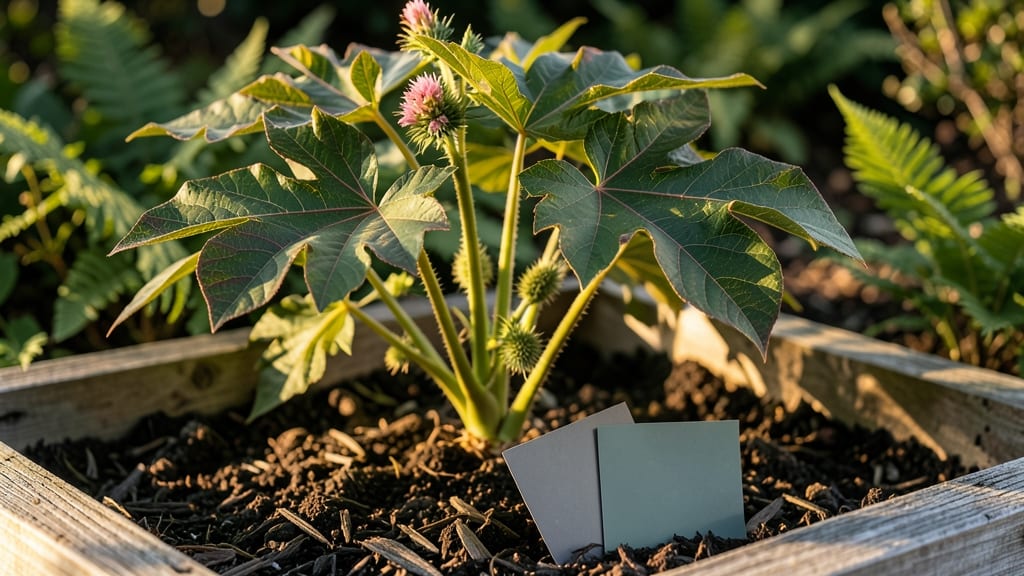
Growing castor beans from seed is shockingly fast—those first sprouts appear in just 48 hours—if you nail the soil and warmth. 🌱 I’ve watched these dramatic tropical plants go from tiny seeds to 10-foot giants in a single season, and the secret isn’t complicated: moist, warm soil and patience.
The trade-off? Their striking red seed pods and glossy leaves come with serious toxicity warnings, so handle with care.
You’ll need just three things: fast-draining potting mix, a warm spot (70°F+), and a deep container—castor beans hate root-bound conditions. Plant seeds 1 inch deep, space them 3 feet apart (they spread wide), and keep the soil damp but not soggy.
Within days, you’ll see those first jagged leaves, signaling rapid growth ahead.
By summer, you’ll be harvesting bright red seed pods that dry into the source of castor oil—or admiring their bold foliage as a tropical statement plant. The plants thrive in full sun but tolerate partial shade, making them versatile for borders or containers.
Just remember: every part of this plant is toxic, so wear gloves and keep it away from pets and kids.
Perfect for warm climates (zones 9-11) but can be grown as annuals in cooler areas. Start indoors 6-8 weeks before last frost for earlier growth. The speed of germination and dramatic foliage make castor beans a rewarding (if cautionary) experiment for bold gardeners.
📚 In This Guide
- What you need
- Instructions
- Tips and common mistakes
- Wrapping up and next steps
What you need
- ● Castor bean seeds (Ricinus communis) – 5–10 seeds (organic or untreated preferred). Pro tip: 💡 Buy from a reputable seed supplier to ensure viability!
- ○ Biodegradable seed-starting pots or peat pellets – 4–6 inches deep (or repurposed containers like yogurt cups). Optional: 🌱 Use coconut coir pots for eco-friendly transplanting.
- ● Well-draining potting mix – 2–3 gallons (a blend of 50% coco coir, 30% perlite, and 20% compost). Critical: 🔥 Avoid heavy clay soil—castor beans hate soggy roots!
- ● Spray bottle or watering can with a fine rose nozzle – For gentle hydration.
- ● Grow lights or sunny windowsill – 6+ hours of warm light daily (south-facing window or LED grow lights).
- ● Humidity dome or plastic wrap – To retain moisture during germination.
- ○ Thermometer (optional but helpful) – Ideal germination temp: 70–85°F (21–29°C).
- ● Seed scarifier – Lightly nick seed coats to speed up germination (castor beans have hard shells).
- ● Heat mat – For faster germination if temps dip below 70°F.
- ● Fertilizer (balanced 10-10-10 or fish emulsion) – Dilute to half-strength once seedlings sprout 2–3 true leaves.
- ● Trellis or stakes – Castor beans grow 6–10 feet tall—support them early!
- ● Pruning shears – For shaping or harvesting seeds later.
Step-by-Step instructions for growing castor beans from seed
Here's how to cultivate these fast-growing tropical plants with minimal fuss—ideal for warm climates or indoor growers.
🌱 Step 1: Soak Seeds to Speed Germination
Castor bean seeds have a tough outer shell that slows germination. Place them in a bowl of lukewarm water for 12-24 hours—this softens the coating and triggers faster sprouting. I like to use a mesh bag or colander so I can easily transfer them later without losing any.
Check periodically and drain the water if it cools. You'll know they're ready when the outer shell appears slightly wrinkled and the seed feels slightly swollen. This pre-soaking cuts germination time from weeks to just 3-5 days—that's the magic of castor beans.
🪴 Step 2: Plant in Well-Draining Soil Mix
Use a lightweight potting mix blended with 20% perlite or coarse sand to prevent waterlogging. Castor beans hate soggy roots, so drainage is critical. Fill containers with 3-4 inches of soil and press down gently to remove air pockets.
Plant each seed 1 inch deep—deeper planting delays germination, while shallower planting risks drying out. Space seeds 6 inches apart if growing multiple plants, as they develop thick, spreading foliage. Gently firm soil around the seeds to ensure good contact without compacting.
💧 Step 3: Maintain Warmth and Moisture
Castor beans thrive in 75-85°F soil temperatures. Place containers on a seedling heat mat or in a sunny windowsill to maintain warmth. Keep the soil consistently moist but never waterlogged—top inch should feel damp to touch.
Cover the pot with plastic wrap or a humidity dome to retain moisture during germination. Check daily and remove the cover once sprouts emerge to prevent fungal issues. You'll see the first true leaves appear within 5-7 days—this is your signal to reduce watering slightly and let the soil dry out a bit between waterings.
☀️ Step 4: Provide Bright, Indirect Light
Once seedlings emerge, move them to bright, indirect light immediately. Castor beans grow toward light aggressively, so rotate pots quarter-turn daily to prevent leaning. A south-facing window works, but supplement with a grow light if natural light is insufficient.
Leggy growth (thin stems with widely spaced leaves) means your plants need more light. If this happens, move the light closer—castor beans tolerate intense light better than most tropicals. You'll notice sturdy, dark green leaves forming within 2-3 weeks of proper light exposure.
✂️ Step 5: Prune and Support as Needed
Castor beans grow rapidly, often reaching 6-10 feet tall in a single season. Pinch back the main stem when it reaches 12 inches to encourage bushier growth. I also tie the stems to sturdy stakes or a trellis as they grow—this prevents toppling and directs energy upward.
Remove any yellowing or diseased leaves immediately to maintain plant health. The large, glossy leaves are prone to fungal issues in humid conditions, so improve airflow by spacing plants properly. With proper care, you'll see striking red or green seed pods forming within 3-4 months.
Tips & tricks for growing castor beans from seed
Here's what I've learned after growing these tropical beauties for years—these little details make all the difference with castor beans.
Soaking Secret: The 12-24 hour soak isn't just about speed—it's about breaking dormancy. After soaking, gently rub the seeds between your fingers to further weaken that tough shell. I've found that seeds soaked in lukewarm water (around 85°F) germinate about 20% faster than those in cold water. Place your bowl in a warm spot like near a sunny window or on top of your fridge to maintain that ideal temperature.
Soil Science: That 20% perlite or sand mix in Step 2 isn't optional—it's non-negotiable for castor beans. I've ruined two batches by skipping this step, resulting in root rot. For even better drainage, consider adding a handful of orchid bark to your mix. When planting those 1-inch deep, make a small hole with your finger rather than dropping seeds in—this prevents them from sinking deeper than intended.
Germination Timeline: Those 3-5 days of germination are your window to monitor closely. I keep a small notebook by my plants and record the exact time I see the first crack in the seed shell. This helps me track progress and identify any potential issues early. If you're not seeing sprouts within 5 days, check your soil temperature—it might need to be closer to that 85°F ideal.
Light Strategy: The quarter-turn daily rotation in Step 4 is crucial, but I've found an even better method: place a small mirror at a 45-degree angle near your plant. This reflects additional light to all sides without requiring you to move the plant. Castor beans will grow toward any light source, so if you notice them leaning, it's your cue to adjust either the plant or the light source immediately.
Pro Tips for Growing Castor Beans From Seed
- Here's what I've learned after growing these tropical beauties for years—these little details make all the difference...
- Soaking Secret: The 12-24 hour soak isn't just about speed—it's about breaking dormancy. After soaking, gently rub th...
- Soil Science: That 20% perlite or sand mix in Step 2 isn't optional—it's non-negotiable for castor beans. I've ruined...
Frequently asked questions
Got questions about growing castor beans? You’re not alone! Here are some of the most common queries—plus quick, practical answers to help you succeed.
How long do castor bean seeds take to germinate?
Castor bean seeds are fast—typically sprouting in 3–7 days under ideal conditions (warmth, moisture, and indirect light). For speedier results, soak seeds in warm water for 24 hours before planting. Pro tip: Keep soil consistently moist but not soggy to avoid mold.
What’s the best temperature for growing castor beans?
Castor beans thrive in warmth! Ideal temperatures range from 70–90°F (21–32°C). If your climate dips below 60°F (15°C), start seeds indoors or use a heat mat. Cold stress can delay germination or stunt growth. Bonus: They’re tropical—great for USDA zones 9–11!
Are castor beans toxic? Should I wear gloves when handling them?
Yes, they’re toxic
—especially the seeds, leaves, and ricin oil. Wear gloves when handling seeds or plants, and keep them away from pets/kids. Never ingest any part of the plant. If accidental exposure occurs, seek medical help immediately. Safety first!
Can I grow castor beans indoors or in containers?
Castor beans adapt well to containers (at least 12" deep) or indoor growing with bright, indirect light. Use well-draining soil and a sunny windowsill or grow lights. Warning: They grow fast (up to 10 feet tall!)—prune if space is limited. Fun fact: Their large leaves make stunning houseplants!
What pests or diseases should I watch for?
Castor beans are hardy but can attract aphids, spider mites, or whiteflies. Treat early with neem oil or insecticidal soap. Overwatering may cause fungal issues like powdery mildew—ensure good airflow. Prevention tip: Inspect leaves regularly and remove damaged foliage promptly.
Can I grow castor beans in cooler climates?
Yes, but with patience! Start seeds indoors 8–10 weeks before last frost or use a greenhouse. Young plants tolerate light frosts (<32°F/0°C), but growth slows below 60°F (15°C). Alternative: Try Ricinus communis ‘Bloodleaf’, a decorative variety with red-tinged leaves. Key: Extend the season with row covers!
Wrapping up and next steps
Growing castor beans from seed is a rewarding adventure that brings fast, vibrant growth and unique tropical beauty to your garden. With just a few simple steps—patience, warmth, and the right soil—you’ll soon be harvesting seeds or enjoying their striking foliage.
Whether you’re drawn to their quick germination or their potential for biodiesel, castor beans prove that growing something extraordinary doesn’t have to be complicated.
Ready to dive in? Start by gathering your seeds and supplies, then plant with confidence! Share your progress with fellow gardeners or experiment with creative uses for your harvest. Happy growing—your tropical oasis awaits! 🌱✨