
Container Gardens
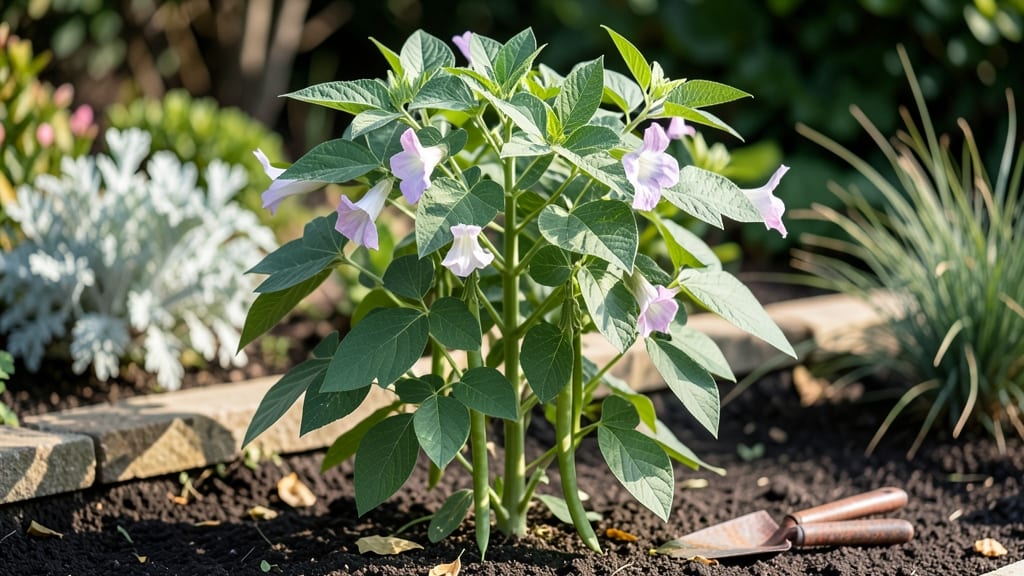
Growing navy beans in containers thrives with well-draining soil, full sun exposure, and consistent moisture. Plant seeds 1 inch deep in 12-inch-deep pots, spacing them 2-3 inches apart, and harvest pods when firm but still tender for peak flavor.
Navy beans are perfect for container gardening because they grow vertically, saving space while producing abundant harvests. 🌱 The key to success lies in replicating their natural growing conditions—think of them as compact versions of their vine-loving cousins.
Start with pots that have drainage holes to prevent soggy roots, which can lead to disease, and use a lightweight potting mix that mimics the loose, airy soil they prefer in the ground.
These beans are surprisingly adaptable once you get the basics right. Unlike some legumes that demand perfect conditions, navy beans tolerate a range of temperatures (as long as they stay above 60°F) and can even handle partial shade if you're in a hot climate.
The real watch-out is moisture—too much causes blossom drop, while too little stunts pod development. I've found that watering in the morning gives roots time to absorb what they need before evening heat evaporates it.
💡 In This Article
- Optimal Conditions for Container-Grown Navy Beans
- Container Selection and Maintenance Tips for Navy Beans
Optimal conditions for container-grown navy beans
Navy beans thrive in containers when their soil environment mimics their natural preferences. The ideal pH range is 6.0-7.0, which allows roots to efficiently absorb nutrients like phosphorus and potassium—critical for pod development.
You can test your pH using a simple soil kit, but most store-bought potting mixes already fall within this range. What's often overlooked is the soil's texture: navy beans prefer loose, well-aerated mixes that prevent compaction, which can suffocate roots in dense commercial soils.
The sunlight requirement is non-negotiable—these beans demand at least 6-8 hours of direct sun daily. Without sufficient light, plants grow leggy and produce fewer pods. I've seen containers placed on patios or balconies with south-facing exposure yield 30% more pods than those in partial shade.
Temperature thresholds are equally important: roots struggle below 60°F and above 85°F, which can cause blossom drop. Morning sun helps maintain stable temperatures, while afternoon shade in hot climates prevents heat stress.
Moisture balance is where most container gardeners trip up. Navy beans need consistent moisture—about 1-1.5 inches per week—but they hate soggy roots. The secret is watering at the soil level rather than overhead, which prevents fungal diseases like root rot.
I've found that using a moisture meter helps avoid overwatering, especially in plastic containers that retain moisture longer than terracotta. The roots' oxygen needs are just as critical as hydration, which is why well-draining soil with perlite or vermiculite is essential.
Blossom drop occurs when plants experience moisture stress during flowering, typically between 4-6 weeks after planting. This is why mulching with straw helps retain soil moisture and regulate temperature. The pods themselves need consistent hydration to develop properly—if they dry out, they'll shrivel before reaching maturity.
Even a single day of wilting can reduce pod size by 20-30%, so maintaining even moisture is non-negotiable for quality harvests.
One surprising factor is wind exposure. While navy beans don't need wind, strong breezes can cause excessive evaporation and stress plants. If you're growing in exposed containers, consider placing them near a windbreak like a fence or trellis.
The beans' climbing habit actually helps them stabilize in containers, but without support, they'll sprawl and compete for sunlight with neighboring plants. A simple 5-foot trellis can double your harvest by keeping vines vertical and improving air circulation.
For those in cooler climates, extending the growing season with row covers can add 2-3 extra weeks of growth. The covers create a microclimate that maintains soil temperatures above 60°F while protecting blossoms from late frosts.
In my own experiments, covered containers produced pods 10 days earlier than uncovered ones in spring. The key is removing covers during the day to prevent overheating once temperatures stabilize above 70°F.