
Featured
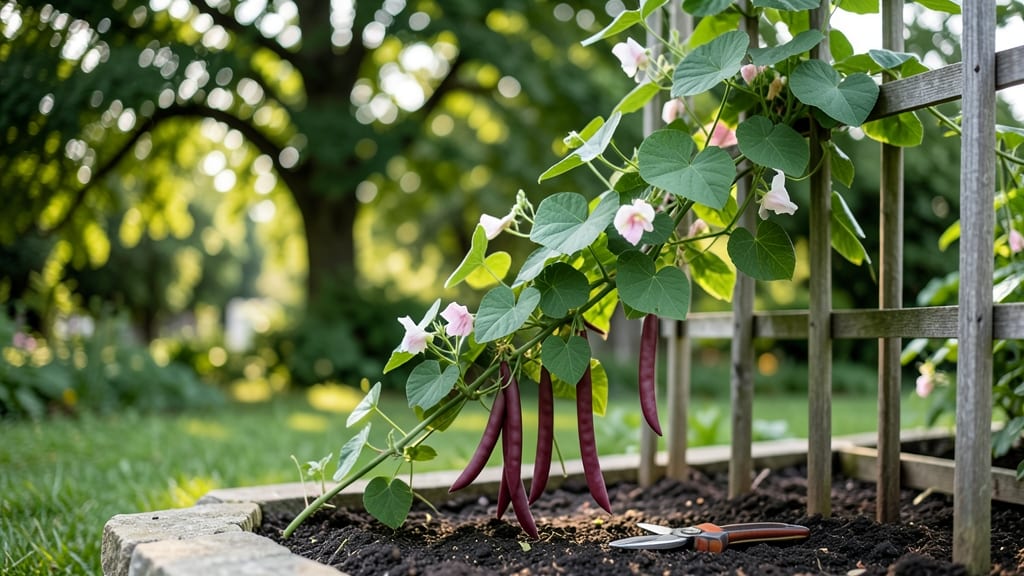
Growing red runner beans 🌱 can transform your garden into a vertical feast in just 55 days, delivering tender pods that taste like summer.
Picture this: you’re plucking fresh, vibrant beans straight from your trellis, their bright red pods glistening in the sun. No waiting months for harvests—these fast-growing climbers deliver flavor and soil benefits too, fixing nitrogen as they grow.
But without the right trellis or spacing, you’ll end up with tangled vines and missed harvests.
In this guide, I’ll walk you through the secrets of planting, trellising, and caring for these powerhouse plants—from soil prep to harvest timing—so you can enjoy a bountiful crop all summer long.
You’ll learn how to choose the perfect trellis, avoid common mistakes, and keep your plants thriving from seed to pod. Let’s get those beans climbing!
How to grow red runner beans on trellises for maximum yield
Red runner beans aren’t just fast-growing—they’re climbing champions that can reach 10-15 feet with the right support. When trained on a sturdy trellis, these beans produce heavier yields and fewer diseases by improving air circulation.
The key? Choosing the right trellis type, planting depth, and spacing to prevent vine breakage during harvest. Let’s break it down into simple, actionable steps.
First, select a trellis that matches your garden’s scale and your beans’ aggressive growth habit. A 6-foot tall structure is ideal for most varieties, but if you’re growing in a small space, a 4-foot trellis works too.
Avoid flimsy materials—red runner beans can weigh down weak supports once pods mature. I’ve found metal or wooden A-frame trellises work best for heavy harvests.
Now, let’s get to the step-by-step process. Follow these 10 essential steps to ensure your red runner beans thrive from seed to harvest:
5 Essential trellis materials compared: strength vs. cost for red runner beans
Red runner beans need strong support to climb their 10-15 feet height, but not all trellises are created equal. The right material balances durability, cost, and ease of assembly—especially for heavy vines loaded with pods.
Whether you're working with a small balcony garden or a large backyard plot, choosing the wrong trellis can mean broken vines or wasted space. Let’s break down the best options to maximize your 55-day harvest without breaking the bank.
For red runner beans, the trellis must handle 6-10 pounds of weight per vine at peak production. Lightweight materials like plastic won’t cut it, but heavy-duty options can be overkill for small gardens.
The key is matching the material to your garden size, budget, and maintenance tolerance. Below, I’ve compared the top five trellis materials—including DIY alternatives—so you can decide what works best for your space and harvest goals.
If you're growing red runner beans in a small-space garden, bamboo poles are my top pick. They’re affordable, lightweight, and strong enough to support vines up to 10 feet tall. Simply tie the vines to the poles with soft twine every 2-3 feet as they grow.
For larger gardens, a metal trellis is worth the investment—it lasts 10+ years and handles heavy pod loads without bending. Just be prepared for a higher upfront cost.
For gardeners on a tight budget, PVC pipe trellises are a game-changer. You can assemble one for under $20 using 4x4-inch PVC pipes and zip ties. While not as durable as metal, they’re perfect for seasonal use and easy to store.
If you’re handy, a DIY wire mesh trellis offers the best of both worlds—high strength at a low cost. Just bend galvanized wire into a pyramid shape and bury the base for stability.
Wooden stakes are a mid-range option that works well for medium-sized gardens. Cedar stakes resist rot and can be arranged in a teepee structure for a classic look. However, they require additional string or twine to guide the vines, which adds a bit of maintenance.
No matter which material you choose, install your trellis early—as soon as the vines reach 6 inches tall—to prevent root disturbance and encourage upward growth.
Pro tip: For maximum yield, space your trellises 3 feet apart in rows. This gives your red runner beans room to spread their vines and reduces competition for sunlight.
And remember, the stronger the trellis, the heavier the harvest—so don’t skimp on support if you’re dreaming of bucketfuls of beans by summer!