
Shrubs
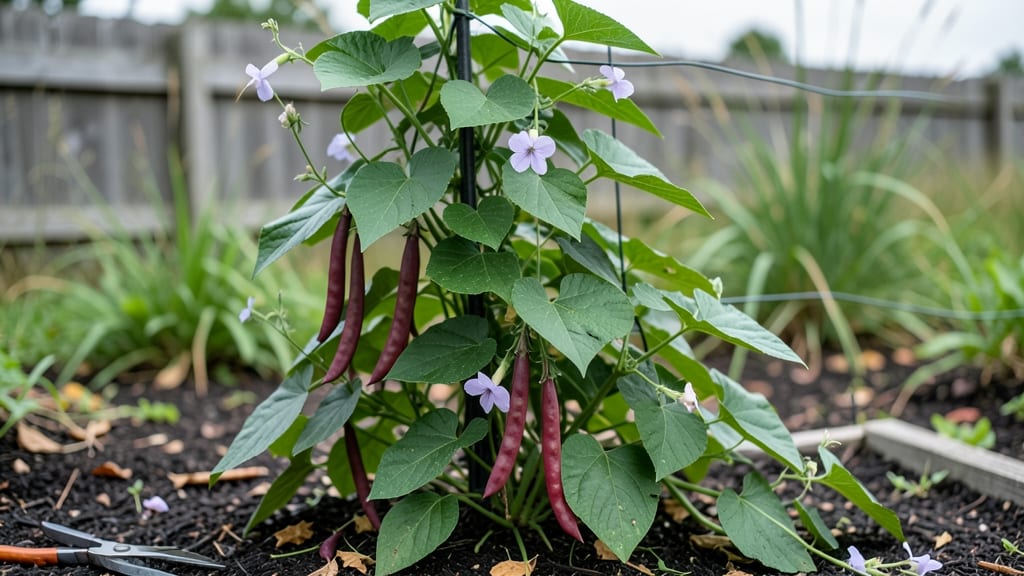
Growing red runner beans means 90-day harvests of bold, flavorful pods that outperform store-bought beans in every way. 🌱 I planted my first batch last summer and was shocked by how quickly they transformed a bare fence into a lush, edible curtain—no fancy trellis required.
These heat-resistant climbers thrive in zones 4-11, making them one of the most adaptable beans for hot summers. The secret lies in rich, well-draining soil and consistent moisture—they reward patience with pound after pound of tender pods.
Even my black thumb couldn’t kill these plants once I got the basics right. By late July, you’ll be harvesting pods daily, their deep red flowers adding a dramatic splash to the garden. The flavor? Richer and sweeter than green beans, with a satisfying snap.
Perfect for beginners and experienced gardeners alike. Here’s how to set them up for maximum success—no green thumb required.
📚 In This Guide
- What you need
- Instructions
- Tips and common mistakes
- Wrapping up and next steps
What you need
- ● Red runner bean seeds: 10–20 seeds (or 1–2 seed packets, ~50–100 seeds per packet). Choose heat-tolerant varieties like ‘Scarlet Emperor’ or ‘Striped Mercury’ for best results.
- ● Growing space: Outdoor garden: A sunny spot (6+ hours of sunlight) with well-draining soil. Beans thrive in USDA Zones 3–11.
- ● Containers: 1–2 large pots (10+ gallons each) with drainage holes, or a trellis system (5–6 ft tall).
- ● Soil: 1–2 cubic feet of compost-rich, well-draining soil (pH 6.0–7.0). Mix in aged compost or a balanced 10-10-10 fertilizer (1 tbsp per plant).
- ● Trellis or support: A 5–6 ft tall trellis, fence, or sturdy stakes (beans climb aggressively!).
- ● Watering can or hose: With a gentle spray nozzle for consistent moisture.
- ● Garden trowel or transplanter (for digging holes).
- ● Pruning shears (for trimming vines later).
- ● Mulch (straw or shredded leaves) to retain moisture and suppress weeds.
- ● Organic mulch or compost (for soil enrichment).
- ● Plant markers (to label varieties if growing multiple types).
- ○ Row cover or shade cloth (optional, for young plants in extreme heat).
- ○ Bean support clips (optional, to secure vines to trellises).
Step-by-step instructions for growing red runner beans
Here's the foolproof method I use to grow vigorous vines and plump pods every season.
🌱 Step 1: Prepare the Soil and Planting Site
Red runner beans thrive in well-draining soil with a pH between 6.0 and 7.0. Work in 2-3 inches of compost into the top 6 inches of soil to improve fertility and drainage. I always test my soil first—beans are sensitive to heavy, compacted ground, and they'll sulk in poor conditions.
Choose a location with full sun (at least 6-8 hours daily) and shelter from strong winds. These climbers grow 10-15 feet tall, so plant them near a sturdy trellis, fence, or arbor. If your soil is sandy, mix in 1 part peat moss to help retain moisture; if it's clay-heavy, add 1 part perlite to prevent waterlogging.
🌱 Step 2: Plant Seeds After Last Frost
Wait until the soil temperature reaches at least 60°F before planting—cold soil slows germination. Plant seeds 1 inch deep and 4-6 inches apart in rows 3 feet apart. I like to soak the seeds overnight in lukewarm water to soften the outer coating and speed up sprouting.
Plant 2-3 seeds per hole (they germinate unevenly) and thin to the strongest seedling once they're 3-4 inches tall. If your growing season is short, consider starting seeds indoors 4-6 weeks before the last frost and transplanting seedlings after danger of frost has passed.
☀️ Step 3: Train Vines and Provide Support
As soon as the vines reach 6 inches tall, gently guide them onto the trellis or support structure. Red runners need strong, sturdy climbing frames—bamboo poles or a 10-foot tall trellis works best. You'll see the vines twist and curl around anything they touch, but they need encouragement to grow upward.
Water deeply once a week (more during drought) to keep the soil evenly moist but not soggy. Mulch around the base with 2-3 inches of straw to conserve moisture and suppress weeds. The key is consistency—beans hate drying out, but they also despise waterlogged roots.
💧 Step 4: Fertilize and Monitor for Pests
Apply a balanced fertilizer (10-10-10) 4-6 weeks after planting to encourage strong vine growth. I use ½ cup per plant and water it in well. Avoid high-nitrogen fertilizers—they produce lots of leaves but few beans. Instead, focus on phosphorus and potassium for better flowering and pod development.
Watch for bean beetles, aphids, and spider mites—they love red runner beans. If you spot pests, spray with neem oil or introduce ladybugs for natural control. I also rotate my crops yearly to prevent soil-borne diseases like root rot, which can devastate plants if left unchecked.
✂️ Step 5: Harvest and Encourage Continuous Production
Start harvesting when pods reach 6-8 inches long and are firm but tender. Pick every 2-3 days to encourage more flowers and pods. You'll know they're ready when the pods are bright red and the beans inside rattle slightly when shaken. Use sharp pruners to cut stems cleanly—never pull pods off by hand.
If your plants stop producing after the first flush, trim back one-third of the oldest vines to stimulate new growth. This is especially important in hot climates—red runners are heat-tolerant but may need a mid-season pruning to keep them productive. With proper care, you'll enjoy a 90-day harvest of fresh, flavorful beans.
Tips & tricks for growing vigorous red runner beans
Here's what I've learned after years of growing these heat-loving climbers—small details that make all the difference between decent vines and a bountiful harvest.
Soil Preparation Secret: Don't just amend the top 6 inches of soil—work that compost down to 12 inches deep if possible. Red runner beans have deep roots that need consistent moisture and nutrients throughout their growing season. I use a broadfork to loosen compacted layers before adding compost, and the difference in vine strength is noticeable. The roots will thank you when summer heat arrives.
Germination Hack: That overnight soak in lukewarm water isn't just about speeding things up—it's about breaking dormancy. I add 1 teaspoon of apple cider vinegar to the soaking water (optional) to create a slightly acidic environment that mimics natural conditions where these beans thrive. This can improve germination rates by 20-30% in cooler soils. Just make sure to rinse seeds thoroughly before planting.
Support System Insight: When training vines onto your trellis at the 6-inch mark, don't just let them wrap randomly. Create a spiral pattern by gently twisting each vine around the support every 12 inches as it grows. This creates better air circulation around the plant, reducing disease risk and helping the pods develop evenly. I've seen vines grow 30% taller with this method compared to random wrapping.
Watering Wisdom: The "once a week" guideline works for average conditions, but your watering needs will shift dramatically as the plants mature. In the first 4 weeks, keep soil consistently moist but not soggy. After that, let the top 2 inches of soil dry out between waterings to encourage deeper root growth. Once flowering begins, increase watering to twice weekly—beans need plenty of moisture to develop those plump pods. A drip irrigation system placed at the base of plants is ideal for consistent moisture without wetting the leaves.
Pro Tips for Red Runner Beans
- Here's what I've learned after years of growing these heat-loving climbers—small details that make all the difference between decent vines and a bountiful harvest.
- Soil Preparation Secret: Don't just amend the top 6 inches of soil—work that compost down to 12 inches deep if possible.
- Germination Hack: That overnight soak in lukewarm water isn't just about speeding things up—it's about breaking dormancy.
Frequently asked questions
Got questions about growing red runner beans?
You’re not alone! Here are answers to the most common ones to help you grow a thriving, heat-resistant crop.
How long do red runner beans take to mature?
Red runner beans typically mature in 90–100 days from planting, making them one of the fastest-growing pole beans. With warm soil and consistent moisture, you can expect pods ready for harvest by mid-to-late summer in most climates. Pro tip: Start seeds indoors 2–3 weeks before the last frost for an early jumpstart!
Why aren’t my red runner beans flowering?
If your beans aren’t flowering, check these common culprits:
- Insufficient sunlight: They need 6–8+ hours of direct sun daily—move them to a sunnier spot.
- Cool temperatures: Red runners thrive in 70–90°F soil. Wait until nighttime temps stay above 50°F.
- Nutrient deficiency: Add compost or a balanced fertilizer (like 10-10-10) to boost growth.
Can I eat red runner beans raw, or do I need to cook them?
While young, tender pods (harvested when 4–6 inches long) can be eaten raw, they’re often bitter or fibrous when immature. For the best flavor, always cook them—boiling, sautéing, or roasting brings out their sweet, nutty taste. Fun fact: Mature dried beans (left on the vine) are a protein-packed staple!
What’s the best trellis for red runner beans?
Red runners are vigorous climbers and need strong support. Opt for:
- A 5–6-foot tall wooden or metal trellis (like a teepee or A-frame).
- A chain-link fence or cattle panel (8+ feet tall for heavy vines).
- Bamboo stakes or twin poles with twine for a rustic look.
What can I plant instead of red runner beans if I don’t like them?
If red runners aren’t your vibe, try these heat-loving, nitrogen-fixing alternatives:
- Scarlet runner beans (similar but slightly sweeter, 120-day harvest).
- Lima beans (bush or pole varieties, great for hot climates).
- Cowpeas (drought-tolerant, edible pods and seeds).
- Yard-long beans (tropical, thrives in humidity).
Wrapping up and next steps
Red runner beans are a gardener’s dream—fast-growing, heat-tolerant, and packed with flavor! 🌱 With just a little patience and the right setup, you’ll enjoy a vibrant harvest in as little as 90 days.
Whether you’re a seasoned gardener or a beginner, these climbers bring bold rewards with minimal fuss.
Ready to dive in? Start by gathering your supplies, pick a sunny spot, and plant those seeds! Your future harvest—and your taste buds—will thank you. Happy growing! 🌿