
Container Gardens
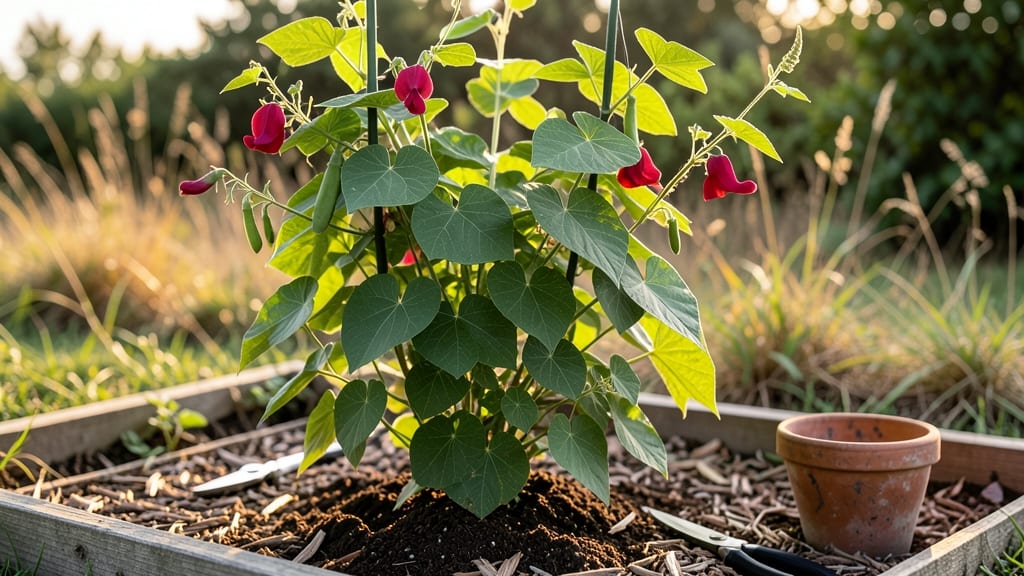
Growing Scarlet Emperor runner beans turns your garden into a vibrant red explosion that feeds you too. 🌸 These climbers produce 12-foot vines covered in bold flowers and tender pods—my first harvest had me snapping photos of every stage, from first bloom to dinner plate.
The secret starts with well-draining soil and a sturdy trellis (I use 8-foot bamboo stakes). Plant seeds 1 inch deep after last frost when soil reaches 60°F, spacing them 6 inches apart. They thrive in full sun, so choose the sunniest corner—my patio beans outperform the in-ground ones.
By midsummer, you’ll be harvesting 6-inch pods and watching hummingbirds fight over the flowers. The plants keep producing until frost, and saved seeds mean next year’s garden starts even earlier. Works in containers too—just use a 5-gallon pot per plant. Here’s how to keep them thriving all season!
📚 In This Guide
- What you need
- Instructions
- Tips and common mistakes
- Wrapping up and next steps
What you need
- ● Seeds: 5–10 Scarlet Emperor runner bean seeds (non-GMO, heirloom preferred for best flavor and vigor).
- ● Containers: 2–3 5-gallon fabric grow bags or
- ● 1–2 large wooden planters (at least 12" deep and 12" wide per plant).
- ● Potting Mix: 1–2 bags of well-draining, organic potting soil (avoid garden soil—it compacts too easily!).
- ● Support Structure: 1–2 6–8 ft trellis poles (bamboo or metal) or
- ● A freestanding A-frame trellis (for climbing support).
- ● Fertilizer: 1 cup balanced organic fertilizer (5-5-5 or 10-10-10 NPK ratio).
- ● Compost (1–2 cups per container for nutrient boost).
- ● Watering Can or Hose: With a gentle spray nozzle for even moisture.
- ● Pruning Shears: For trimming and harvesting.
- ● Mulch: Straw or shredded leaves to retain moisture and suppress weeds.
- ● Epsom Salt: 1 tbsp dissolved in water (monthly) for magnesium boost (especially for vibrant blooms!).
- ● Row Covers: Lightweight fabric to protect young seedlings from pests or frost.
- ● Seedling Heat Mat: If starting indoors in cool climates (70–75°F ideal for germination).
Step-by-step instructions for growing Scarlet Emperor runner beans
Here's the method I've used to grow these showstopping climbers—vibrant red blooms that attract hummingbirds while producing tender pods.
🌱 Step 1: Choose the Perfect Location and Prepare Soil
Runner beans thrive in full sun (at least 6-8 hours daily) and need sturdy support from day one. I plant mine along a 6-foot trellis or tall fence, positioning it where the afternoon sun bathes the vines. The soil should drain quickly but retain moisture—amend heavy clay with 2-3 inches of compost worked into the top 12 inches.
Scarlet Emperor beans prefer slightly acidic to neutral soil (pH 6.0-7.0). I test mine with a simple kit before planting—if the reading is off, I add pelletized lime (for acidity) or sulfur (for alkalinity) as needed. The goal is loose, fertile soil that won't compact around roots as they grow.
🌱 Step 2: Plant Seeds Directly After Last Frost
These beans hate being transplanted, so I sow seeds directly in the garden after all danger of frost has passed. Plant 4-5 seeds per hill, spacing hills 18-24 inches apart in rows 3-4 feet apart. Press seeds 1-2 inches deep—deeper planting slows germination because the seedling must push through more soil.
I like to plant in early morning when soil is cool and moist. Water gently after planting to settle the soil around seeds, but avoid soaking the area—excess moisture can cause rot before germination. Keep the soil consistently moist (not soggy) until seedlings emerge, which typically takes 7-14 days at 65-75°F.
☀️ Step 3: Provide Support and Train Vines Early
The instant seedlings reach 4-5 inches tall, I install a 5-6 foot trellis or strong fence nearby. I weave the main stems gently through the trellis as they grow—this encourages upward growth and prevents sprawling. Runner beans are vigorous climbers, but they need guidance early to avoid tangling.
Watch for the first true leaves (the second set after the initial seed leaves). When they appear, thin seedlings to 2-3 strong plants per hill, snipping weaker stems at the base with clean scissors. This prevents competition and gives remaining plants room to thrive. Mulch around the base with 2-3 inches of straw to retain moisture and suppress weeds.
💧 Step 4: Water Deeply and Fertilize Strategically
Runner beans need 1-1.5 inches of water weekly, delivered at the base—not overhead. I water deeply in the morning, aiming for the soil around the roots. Wet foliage in the evening invites fungal diseases like rust, which can defoliate plants quickly. You'll know watering is right when the top 2 inches of soil feel moist but not saturated.
Side-dress with balanced fertilizer (10-10-10) when flowers first appear, using 1 tablespoon per plant. Too much nitrogen produces lush foliage but fewer flowers and pods. I also sprinkle compost tea every 2 weeks for a gentle nutrient boost. Scarlet Emperor beans are heavy feeders, but they respond best to organic, slow-release nutrients.
✂️ Step 5: Harvest and Prune for Continuous Blooms
Start harvesting pods when they're 4-6 inches long and tender, cutting them with scissors to avoid damaging the vine. I pick every 2-3 days to encourage more production—left too long, pods toughen and the plant shifts energy to seed production. The more you harvest, the more flowers (and pods) you'll get.
Deadhead spent flowers by pinching them off at the base. This redirects the plant's energy from seed production back into new blooms. I also prune any leggy or overcrowded growth in mid-summer to improve airflow and reduce disease risk. With regular care, Scarlet Emperor beans produce continuous blooms from midsummer until frost.
Tips & tricks for growing Scarlet Emperor runner beans
Common pitfalls—and how to sidestep every one when cultivating these stunning climbers.
Sunlight Strategy: Scarlet Emperor beans need that full sun (6-8 hours daily), but here's what I've learned: position your trellis to catch the afternoon sun specifically. Morning sun helps dry dew quickly, preventing fungal issues, while afternoon warmth boosts flowering. I've noticed plants on east-facing trellises produce more pods than those on west-facing ones—likely because of the gradual heat buildup rather than sudden afternoon shade.
Soil Science: The pH 6.0-7.0 range is critical, but don't stress about perfect numbers. I've had success with slightly alkaline soil (up to 7.5) as long as I add 1-2 inches of compost to the top 12 inches annually. The key is drainage—if water pools after rain, amend with coarse sand or perlite. I test soil moisture by squeezing a handful: it should crumble when dry but hold shape when damp.
Germination Guard: Those 7-14 days for germination can feel like forever, but consistency is key. I've found planting in early morning when soil temps are 65-75°F gives the most reliable results. Keep seeds moist (not soggy) by watering with a spray bottle rather than a stream. Pro tip: Place a clear plastic dome over hills until sprouts appear—this creates a humid microclimate that speeds germination by 2-3 days.
Support System: The 5-6 foot trellis recommendation is non-negotiable for these vigorous climbers. I've tried shorter supports and ended up with tangled messes that blocked sunlight. For maximum airflow, use a trellis with 3-4 inch diamond grid spacing. When training vines, I gently twist them around the trellis rather than tying—this prevents stem damage as they thicken.
Pro Tips for Growing Scarlet Emperor Runner Beans
- Common pitfalls—and how to sidestep every one when cultivating these stunning climbers.
- Sunlight Strategy: Scarlet Emperor beans need that full sun (6-8 hours daily), but here's what I've learned: position your trellis to catch the afternoon sun specifically.
- Soil Science: The pH 6.0-7.0 range is critical, but don't stress about perfect numbers.
Frequently asked questions
Got questions about growing Scarlet Emperor runner beans?
You're not alone! Here are answers to the most common queries to help you cultivate these stunning climbers with ease.
How fast do Scarlet Emperor runner beans grow?
These beans are fast growers! From seed to first flowers, expect 60–70 days in warm conditions. With ideal warmth (70–85°F), they can grow 6–10 inches per week during peak season. Provide sturdy trellises early—they’ll climb aggressively once established!
When is the best time to plant Scarlet Emperor runner beans?
Start seeds 2–3 weeks after your last frost when soil temps hit 60°F+. In cooler climates, opt for soil warming or grow them in containers near your home for a head start. Never plant in cold soil—they hate damp, chilly conditions!
Can I grow Scarlet Emperor runner beans in containers?
Absolutely!
These beans thrive in 5-gallon+ containers with drainage. Use a lightweight potting mix and a 3–4 ft tall trellis. Just ensure containers get 6+ hours of sun and stay consistently moist. Pro tip: Add compost at planting for extra nutrients!
Why aren’t my Scarlet Emperor runner beans flowering?
No flowers? Check these fixes:
- Not enough sun: Move to a sunnier spot (they need 6–8 hours/day).
- Cold soil: Wait until soil is 60°F+ before planting.
- Overcrowding: Thin seedlings to 4–6 inches apart for better airflow.
- Nutrient deficiency: Feed with a balanced fertilizer (10-10-10) when vines start climbing.
Are Scarlet Emperor runner beans edible, and how do I harvest them?
Yes! Both pods and beans are edible. Harvest pods when 4–6 inches long (younger = sweeter). Pick beans inside pods when plump but tender. Pro tip: Harvest frequently to encourage more production—these beans are heavy producers!
What can I plant alongside Scarlet Emperor runner beans?
These beans are nitrogen-fixers, so they pair well with:
- Leafy greens (lettuce, spinach)
- Carrots (they deter pests)
- Radishes (fast-growing companions)
Avoid planting near: potatoes, onions, or other beans (they compete for nutrients).
Wrapping up and next steps
Growing Scarlet Emperor runner beans is a rewarding journey that brings vibrant blooms and delicious pods to your container garden! With the right soil, support, and care, these striking plants will thrive—adding both beauty and bounty to your space.
Whether you're a beginner or seasoned gardener, every step you take brings you closer to a harvest of stunning flowers and tasty treats.
Ready to dive in? Start by gathering your supplies—then plant, nurture, and enjoy the fruits (and flowers!) of your labor. Happy gardening! 🌱✨