
Tools
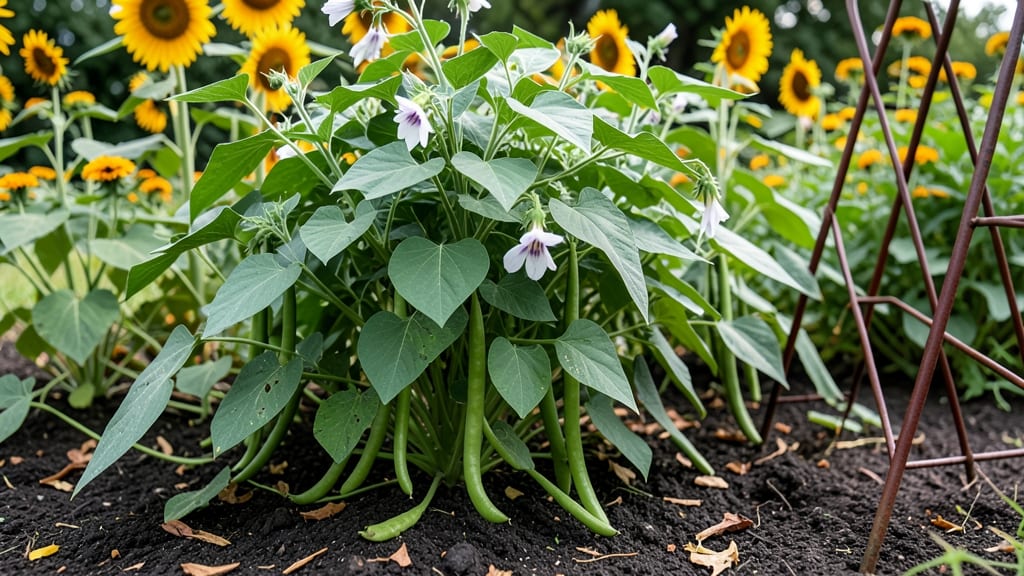
Growing string beans in your garden delivers fresh, crisp pods straight from your backyard—no store-bought substitutes needed. 🌱 I learned the hard way that proper spacing and vertical support can turn a chaotic tangle into a neat, high-yielding vertical garden. The key?
Trellises, cages, or even sturdy stakes that let beans climb instead of sprawl across the soil. You’ll need well-draining soil, 5-6 hours of sunlight daily, and consistent moisture (about 1 inch per week).
String beans thrive when planted 1-2 inches deep, with seeds spaced 4-6 inches apart in rows 18-24 inches apart. For vertical growth, install supports before planting—beans will twine around them naturally, saving space and reducing disease risk.
By mid-summer, you’ll be harvesting 3-4 inches of tender pods every few days. The more you pick, the more your plants produce—it’s a self-replenishing cycle that keeps the harvest going until frost. Plus, vertical gardens look neat and intentional, not like a wild tangle of vines.
This method works for small yards, patios, or even containers, making it perfect for urban gardeners or those with limited space. Ready to transform your garden into a productive vertical oasis? Let’s get those beans climbing!
📚 In This Guide
- What you need
- Instructions
- Tips and common mistakes
- Wrapping up and next steps
What you need
- ● String bean seeds: Choose bush or pole varieties (e.g., 'Blue Lake,' 'Kentucky Wonder'). Aim for 1–2 lbs of seeds (about 1,000–2,000 seeds) for a standard 10x10 ft garden.
- ● Garden soil: Well-draining, fertile soil with a pH of 6.0–7.0. Mix in 2–3 inches of compost per planting area.
- ● Fertilizer: Balanced 10-10-10 or organic options like fish emulsion or compost tea (apply at planting and mid-season).
- ● Watering can or hose: With a gentle spray nozzle for even moisture.
- ● Trellis or vertical support: Pole beans: 5–6 ft tall bamboo stakes, metal cages, or A-frame trellises (1–2 per 4 ft of row).
- ● Bush beans: Low wire mesh or small hoops (2–3 ft tall) for lightweight support.
- ● Mulch: Straw or shredded leaves (2–3 inches thick) to retain moisture and suppress weeds.
- ● Soil test kit: To check nutrient levels before planting.
- ● Drip irrigation system: For consistent watering (especially in hot climates).
- ● Row covers: Lightweight fabric to protect seedlings from pests or frost.
- ● Pruning shears: For trimming excess foliage to improve airflow.
- ● Harvest basket or bucket: To keep picked beans organized and out of the sun.
Step-by-Step instructions for planting string beans vertically
Here's how I turn small garden spaces into high-yielding pole bean towers—no sprawling vines, just upward growth and endless harvests.
🌱 Step 1: Prepare the Soil and Planting Site
String beans thrive in well-draining soil with a pH between 6.0 and 7.0. Work in 2-3 inches of compost to loosen the soil and improve fertility—beans are heavy feeders and need consistent nutrients. I always test my soil first; if it's heavy clay, I mix in sand or perlite to prevent waterlogging, which causes root rot.
Choose a location with full sun (6-8 hours daily) and shelter from strong winds, which can snap tender vines. If your garden gets afternoon shade, opt for bush varieties instead—they'll still produce well without vertical support. Mark your planting area with stakes or string to keep rows straight, especially if you're planting multiple varieties.
🪴 Step 2: Install Vertical Support Structures
I use 5-foot tall bamboo stakes or trellis netting for string beans because they're lightweight, affordable, and provide plenty of surface area for vines to climb. Drive the stakes 6 inches deep into the soil, spacing them 3-4 feet apart in a row. For larger gardens, I install A-frame trellises made from wooden posts and chicken wire—these create a stable, wind-resistant structure that supports vines from both sides.
If you're short on materials, you can also use repurposed fencing, wire mesh, or even sturdy garden twine stretched between posts. The key is to ensure the structure can handle the weight of mature plants—beans produce 1-2 pounds of pods per plant, and heavy yields can bend flimsy supports. Test your trellis by gently tugging before planting.
🌿 Step 3: Plant Seeds Along the Support
Sow seeds 1 inch deep and 3-4 inches apart directly into the soil, placing them 1-2 inches away from the trellis so vines can easily reach upward. I plant 4-5 seeds per stake to ensure at least one strong vine establishes itself. Once seedlings reach 3-4 inches tall, thin to the strongest plant per stake—this prevents overcrowding and competition for nutrients.
Water gently after planting to settle the soil around seeds, but avoid oversaturating the area. String beans are sensitive to soil-borne diseases, so I always use sterile seed-starting mix in the planting hole if my garden soil is heavy or compacted. Mulch with straw or grass clippings to retain moisture and suppress weeds—beans hate competition for water and nutrients.
✂️ Step 4: Train Vines and Maintain Growth
As vines grow, gently guide them upward and weave them through the trellis to encourage even distribution. I tie the main stem loosely to the support with soft garden twine when it reaches 12-18 inches tall—this prevents snapping during wind or rain. Avoid tight bindings, which can strangle the stem as it thickens.
Harvest begins when pods reach 4-6 inches long and are firm to the touch. I pick every 2-3 days to encourage continuous production—beans left on the vine too long become woody and tough. Prune any yellowing or diseased leaves immediately to prevent spread, and fertilize with a balanced 10-10-10 formula every 4-6 weeks to sustain heavy yields.
☀️ Step 5: Extend the Season with Successive Plantings
String beans grow best in warm soil (60-85°F) and bolt quickly if temperatures rise above 85°F. To maximize harvests, I plant two successive crops: one in early spring (after last frost) and another in late summer (6-8 weeks before first frost). For cooler climates, use cold-tolerant varieties like 'Blue Lake Bush' or 'Kentucky Wonder' to extend the growing window.
In hot climates, provide afternoon shade during peak summer months to prevent flowering stress. I also water deeply in the morning to keep soil moisture consistent—beans need 1-1.5 inches of water weekly, but uneven moisture causes blossom-end rot. Mulch heavily in late summer to insulate roots and protect against heat stress.
Tips & tricks for vertical string bean gardens
Here's what I've learned after years of turning tiny garden plots into high-yielding pole bean towers—these tricks will help you maximize space and harvest.
Soil Prep Secret: The 6.0-7.0 pH range in Step 1 is non-negotiable for string beans. I've found that adding a handful of wood ash to the compost helps raise pH naturally if your soil tests lower than 6.0. For heavy clay soil, mix in 50% sand or perlite by volume—this improves drainage without overwhelming the bean roots. The key is creating that loose, crumbly texture that beans love to explore.
Trellis Stability: When installing your 5-foot stakes in Step 2, I drive them at a 15-degree angle rather than straight up. This creates a wider base that resists wind better, especially important when beans produce those 1-2 pound pods. For extra stability, I bury the bottom foot of the stake in a small trench filled with gravel—this prevents the stake from pulling out when vines get heavy. Test your trellis by gently tugging before planting; if it wobbles, reinforce it.
Planting Precision: The 1-inch depth and 3-4 inch spacing in Step 3 might seem tight, but here's the thing: string beans actually prefer this snug arrangement. I've noticed that when I plant them too far apart, the vines become leggy and produce fewer pods. To ensure even moisture, I create small furrows around each planting hole—this helps water penetrate directly to the roots where it's needed most. The 4-5 seeds per stake strategy works perfectly because it guarantees at least one strong vine while preventing overcrowding.
Harvest Timing: Those 4-6 inch pods in Step 4 are the sweet spot for flavor and texture. I harvest every 2-3 days because I've learned that beans left on the vine for more than 48 hours start converting sugars into starches, making them tough and mealy. Pro tip: Pick in the morning when pods are fully hydrated—this gives you the best texture for fresh eating or preserving. Use sharp scissors to snip pods just above the leaf node to prevent damaging the vine.
Pro Tips for Growing String Beans In Garden
- Here's what I've learned after years of turning tiny garden plots into high-yielding pole bean towers—these tricks will help you maximize space and harvest.
- Soil Prep Secret: The 6.0-7.0 pH range in Step 1 is non-negotiable for string beans.
- Trellis Stability: When installing your 5-foot stakes in Step 2, I drive them at a 15-degree angle rather than straight up.
Frequently asked questions
Got questions about growing string beans?
You’re not alone! Here are answers to the most common queries to help you cultivate a thriving vertical bean garden with ease.
When is the best time to plant string beans in my garden?
String beans thrive in warm soil, so plant them after the last frost when temperatures consistently stay above 50°F (10°C). In most regions, this means late spring to early summer. For a fall harvest, plant again 60–90 days before your first frost. Pro tip: Use a soil thermometer to check—beans love soil that’s at least 60°F (15°C)!
How close together can I plant string beans for vertical growth?
Space string beans 4–6 inches apart in rows 18–24 inches apart when planting vertically. If using trellises or cages, thin seedlings to avoid overcrowding, which can lead to disease. Bonus: Vertical planting saves space and improves air circulation, reducing pests like bean beetles.
Why are my string beans turning yellow or wilting? What’s wrong?
Yellowing leaves often signal overwatering, nutrient deficiency (like nitrogen), or fungal diseases (e.g., rust or blight). Wilting can mean underwatering or root rot from soggy soil. Check soil moisture (top inch should be dry), ensure proper drainage, and fertilize lightly with compost if leaves look pale. Prevent pests: Rotate crops yearly and avoid wetting foliage when watering.
Can I grow string beans in containers or small spaces?
Use 5-gallon containers or deeper pots (at least 12 inches deep) with drainage holes. Plant 2–3 beans per container and train them up a trellis, cage, or even a DIY bamboo tower. Dwarf varieties like ‘Blue Lake Bush’ work well in small spaces. Remember: Containers dry out faster—water consistently and mulch to retain moisture.
How do I know when string beans are ready to harvest?
Harvest string beans when they’re 4–6 inches long and tender (usually 50–60 days after planting). Pick regularly to encourage more production—beans left too long become woody and tough. Pro tip: Use sharp scissors or pruners to avoid damaging the plant, and harvest in the morning for the freshest flavor!
Do string beans need full sun, or can they tolerate partial shade?
String beans prefer 6–8 hours of full sun daily for optimal growth and yield. In partial shade (e.g., <4 hours of sun), they’ll produce fewer beans and may become leggy. If shade is unavoidable, choose shade-tolerant varieties like ‘Contender’ or ‘Kentucky Wonder’ and ensure rich, well-draining soil to compensate.
Wrapping up and next steps
Growing string beans in your garden is a rewarding and space-efficient way to enjoy fresh, homegrown produce—even in small areas!
With the right vertical techniques, you can maximize yields, save space, and create a thriving garden that’s both productive and beautiful. Start small, experiment with trellises or cages, and soon you’ll be harvesting crisp, delicious beans all season long.
Ready to take the next step? Plant your first batch today and watch your garden transform! 🌱 For even more tips, check out our guide on maintaining vertical gardens or share your progress with fellow gardeners online.