
Container Gardens
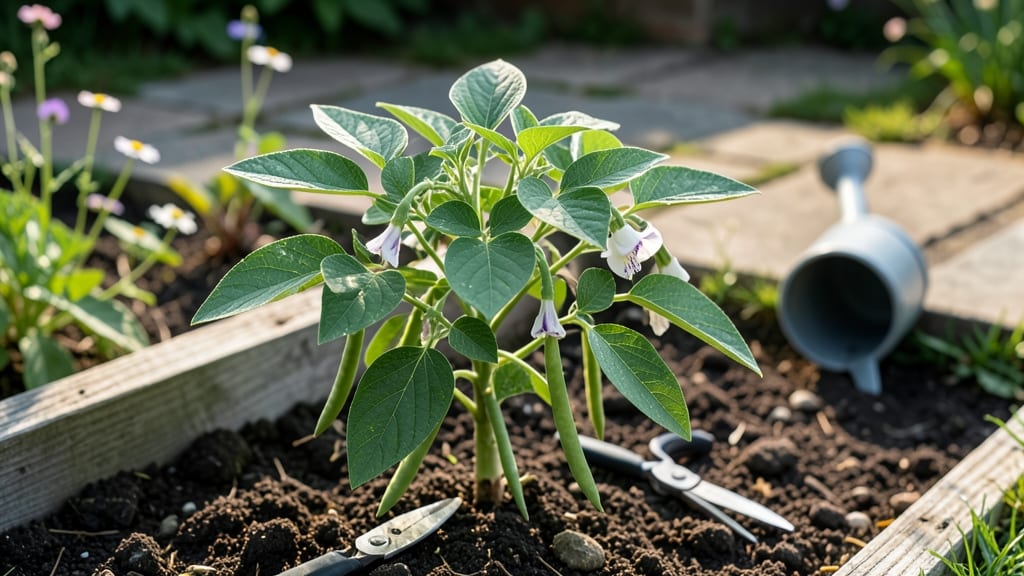
White beans growing in containers means fresh, homegrown legumes in just 55 days—no yard needed. 🌱 I learned the hard way that these plants thrive in pots but need the right balance of sunlight, soil, and patience to avoid that dreaded blossom drop.
The secret starts with loose, well-draining soil mixed with compost—think crumbly, not compact. Plant seeds 1 inch deep, 3-4 inches apart, and keep them consistently moist but never soggy. A south-facing window or balcony gets them the 6-8 hours of sunlight they crave daily.
By week 8, you'll be harvesting tender pods with plump, creamy beans inside—perfect for soups or salads. The key is regular harvesting to keep production going all season long. Works for navy beans, cannellini, or great northern varieties. Here's how to avoid the pitfalls and get a steady harvest!"
📚 In This Guide
- What you need
- Instructions
- Tips and common mistakes
- Wrapping up and next steps
What you need
- ● Seeds: 1–2 pounds of Phaseolus vulgaris (white kidney or navy bean seeds). Choose certified organic or heirloom varieties for best results.
- ● Containers: 1–2 large pots (12–18 inches deep and wide) or a raised bed. Ensure they have drainage holes!
- ● Potting Mix: 5–10 gallons of high-quality, well-draining organic potting soil (avoid garden soil—it compacts too easily).
- ● Compost or Fertilizer: 1 cup of balanced organic fertilizer (5-5-5 or similar) or compost to enrich the soil.
- ● Watering Can or Hose: With a gentle spray nozzle for even moisture distribution.
- ○ Trellis or Support: A 3–4 foot tall bamboo stake or wire trellis (optional but recommended for bush varieties to save space).
- ● Gloves (to protect your hands from soil and thorns).
- ● Trowel or Small Shovel (for planting and soil amendments).
- ● Mulch (straw or shredded leaves to retain moisture).
- ● Plant Labels (to track varieties if growing multiple types).
- ○ Insect Spray (Optional): Neem oil or organic insecticide for pest control.
Step-by-step instructions for growing white beans in containers
Here's how to grow bushy, productive white beans in pots—no garden needed!
🌱 Step 1: Choose the Right Containers and Soil
White beans need 5-6 gallons of soil per plant to support their deep roots, so use large containers at least 12 inches deep. I prefer fabric grow bags because they allow roots to breathe and prevent waterlogging. Drill drainage holes if using plastic pots—beans hate soggy feet.
Fill the container with a mix of 50% potting soil and 50% compost. White beans are nitrogen-fixers, so they don’t need rich soil, but compost adds beneficial microbes. Press the mix down lightly to remove air pockets, then water until moisture reaches 6 inches deep. The soil should feel damp like a wrung-out sponge.
🌱 Step 2: Plant Seeds at the Right Depth and Spacing
Sow 3-4 seeds per container at a depth of 1-2 inches. Planting too shallow risks drying out the seeds, while burying them too deep slows germination. Space seeds 3 inches apart in a loose circle—this gives roots room to spread without crowding.
Cover lightly with soil, then mist the surface with water until evenly damp. Place the container in a warm spot (70-80°F) for germination. You’ll see tiny sprouts in 7-14 days, but don’t rush—wait until all seeds sprout before thinning. Once seedlings reach 2 inches tall, snip the weakest one, leaving the strongest two per pot.
☀️ Step 3: Provide Sunlight and Support for Growth
White beans need 6-8 hours of direct sun daily for bushy growth and heavy yields. A south-facing window or balcony works, but if indoors, supplement with a grow light 12 inches above the plants. You’ll notice leaves stretching toward light? That’s a sign to move the pot closer.
As plants grow 6-8 inches tall, install a 4-foot-tall trellis or tomato cage in the center of the container. White beans are bush varieties, but they’ll climb if given support. Tie stems loosely to the trellis with soft twine as they grow—this prevents breakage during wind or rain.
💧 Step 4: Water and Fertilize for Maximum Yield
Water when the top 2 inches of soil feel dry. Let the soil dry slightly between waterings—beans rot easily in wet conditions. I use a watering can with a narrow spout to direct moisture to the roots, avoiding the leaves. Overhead watering can spread fungal diseases like rust.
Fertilize lightly 4 weeks after planting with a balanced organic fertilizer (10-10-10). White beans fix their own nitrogen, so too much fertilizer leads to leafy growth with few pods. Instead, side-dress with 1 cup of compost when flowers appear. You’ll know you’re on track when you see white or pink blossoms followed by tiny green pods.
⏰ Step 5: Harvest and Encourage More Production
Harvest when pods are 4-6 inches long and firm—they’ll turn brown and tough if left too long. Pick every 2-3 days to encourage more flowers and pods. Use pruning shears to snip stems cleanly, leaving ½ inch above the next leaf.
After the first harvest wave, trim back any yellowing leaves and add 1 more cup of compost to the soil. With proper care, white beans produce 2-3 harvests per season. Save a few dried beans to replant next year—they’re easy to store and germinate reliably.
Tips & tricks for perfect container-grown white beans
Real talk: Growing white beans in containers is easier than you think—but these little details make all the difference between scrappy plants and a thriving harvest.
Container Size Matters: That 5-6 gallon minimum isn't just a suggestion—it's non-negotiable. I've seen white beans struggle in smaller pots because their roots grow deep. If you're using fabric grow bags, make sure they're at least 12 inches deep and wide enough to accommodate two mature plants. For plastic pots, drill those drainage holes near the bottom, not just the sides—water needs to escape freely.
Germination Secret: The 7-14 day germination window can be frustrating, but here's what nobody tells you—keep those seeds consistently warm (70-80°F) and moist. I've found that placing the container on top of a refrigerator or in a sunny windowsill speeds things up. Once sprouts appear, resist the urge to thin immediately—wait until they're 2 inches tall to avoid disturbing the delicate roots.
Sunlight Strategy: Those 6-8 hours of direct sun are critical, but quality matters more than quantity. If your plants start stretching toward the light (a condition called etiolation), you're not giving them enough bright, direct rays. For indoor growers, position your lights 12 inches above the plants and use a timer for 14-16 hours of light per day—this mimics summer sunlight and prevents leggy growth.
Harvesting Hack: The 2-3 day harvesting window is your friend. When pods reach 4-6 inches, snip them cleanly with pruning shears—this encourages more flowers to form. I've found that harvesting in the morning gives you the freshest pods, and always leave that ½ inch stem attached. It contains nutrients that help the plant produce more pods, not fewer.
Pro Tips for Growing White Beans
- Real talk: Growing white beans in containers is easier than you think—but these little details make all the difference between scrappy plants and a thriving harvest.
- Container Size Matters: That 5-6 gallon minimum isn't just a suggestion—it's non-negotiable.
- Germination Secret: The 7-14 day germination window can be frustrating, but here's what nobody tells you—keep those seeds consistently warm (70-80°F) and moist.
Frequently asked questions
Got questions about growing white beans? You’re not alone! Here are some of the most common concerns—and their easy answers—to help you grow a thriving crop in containers.
How deep should my container be for white beans?
White beans need at least 12–18 inches of soil depth to support their roots and vines. If your container is shallower, opt for bush varieties like Great Northern or Navy beans, which stay compact. For pole beans, choose a deeper pot (18+ inches) or a trellis system to save space!
When is the best time to plant white beans?
Plant white beans after the last frost when soil temps hit 60°F+. In most regions, this means late spring to early summer. For cooler climates, start seeds indoors 2–3 weeks before transplanting. They love warmth—no cold snaps!
What pests should I watch for when growing white beans?
Keep an eye out for bean beetles, aphids, and Mexican bean weevils. Handpick beetles or spray with neem oil for mild infestations. Rotate crops yearly to prevent soil-borne pests. Companion plants like marigolds or basil can also deter pests naturally!
Can I regrow white beans from store-bought beans?
Yes! Save 3–5 dried white beans from your grocery store, soak them overnight, and plant them 1 inch deep. Just note: store-bought beans may be treated to prevent sprouting. For best results, use untreated, heirloom seeds if possible.
How often should I water white beans in containers?
Keep soil consistently moist but not soggy. Water 1–2 inches per week, more in heatwaves. Containers dry out faster—check soil daily! Avoid wetting leaves to prevent fungal diseases. Mulch with straw to retain moisture and cool roots.
What can I do if my white beans aren’t flowering?
Lack of flowers? Your beans may need more sunlight (6–8 hours daily) or warmer temps. Ensure they’re in a sunny spot and fertilize lightly with low-nitrogen compost (too much nitrogen = more leaves, fewer flowers!). Stress from transplant shock or drought can also delay blooming.
Wrapping up and next steps
Growing white beans in containers is a rewarding journey that yields delicious, nutrient-packed harvests in just 55 days! With the right soil, sunlight, and care, you’ll enjoy fresh, homegrown beans perfect for salads, soups, or stir-fries.
Whether you’re a beginner or a seasoned gardener, this container-friendly method makes it easy to cultivate your own food—no yard required!
Ready to taste the fruits of your labor? Start planting today and watch your beans thrive! For extra success, check out our pro tips or explore other fast-growing container crops to diversify your harvest. Happy gardening! 🌱