
Planting
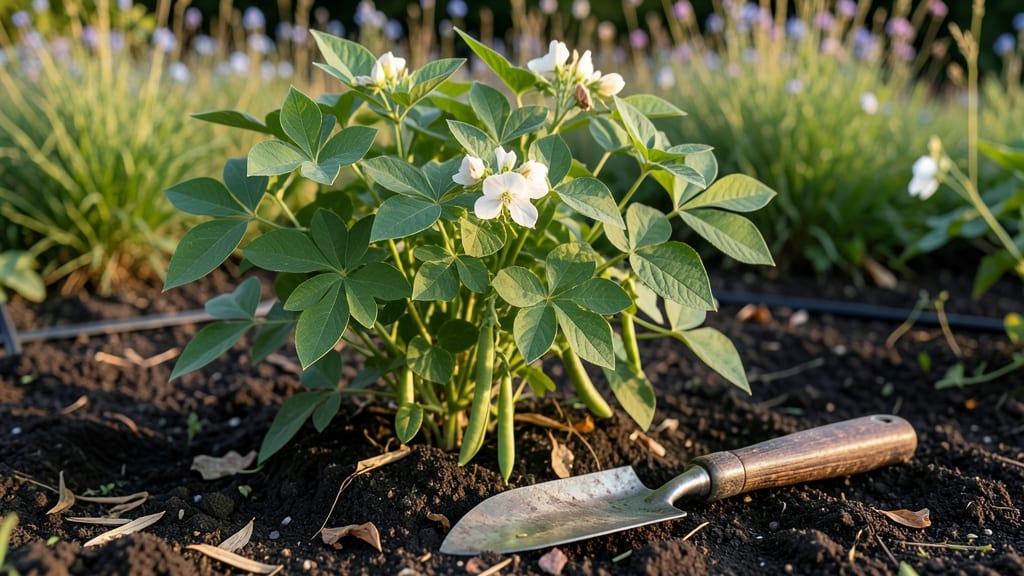
Getting the depth right isn't just about following a rule—it's about creating the perfect balance between moisture and oxygen for those tiny seeds. 🌱 Bean seeds need just enough soil coverage to stay hydrated without suffocating, which is why larger seeds go deeper (they store more energy) while smaller ones need less.
I've found that sandy soils often require slightly deeper planting because they drain faster, while clay soils can handle shallower depths since they retain moisture longer.
For example, bush beans—common in home gardens—typically do well at 1 inch depth, while pole beans might need a touch more (1.5 inches) to support their climbing growth. The key is always to adjust based on your local soil conditions and the specific variety you're growing.
Too shallow, and seeds dry out; too deep, and they struggle to push through the soil.
💡 In This Article
- Bean Seed Germination Science: Why Depth Matters
- Planting Bean Seeds by Type: Variety-Specific Depth Guide
Bean seed germination science: why depth matters
Bean seeds rely on a delicate balance of moisture and oxygen to germinate, which is why planting depth directly impacts their success.
The seed coat needs enough soil coverage to retain moisture while allowing oxygen to reach the embryo—too little soil means the seed dries out, while too much suffocates it.
Larger seeds like lima beans contain more stored energy (cotyledons) and can afford deeper planting (1.5 to 2 inches), as their roots have more reserves to penetrate denser soil layers.
Smaller seeds, such as runner beans, have less energy stored and require shallower planting (½ to 1 inch) to ensure quick access to moisture near the surface.
The ideal depth also depends on soil texture: sandy soils drain faster, so seeds need slightly deeper burial (1.5 inches) to maintain moisture, while clay soils retain water better and can accommodate shallower planting (1 inch).
Temperature plays a role too—warmer soils (70-85°F) speed up germination, allowing seeds to break through lighter soil layers more easily.
What most gardeners overlook is how seed size affects root development. Larger seeds develop stronger taproots that can push through denser soil, while smaller seeds rely on fibrous roots that need quick access to surface moisture.
For example, pole beans—with their climbing growth habit—often need 1.5 inches of soil to establish a sturdy root system before vines emerge. The rule of thumb is: plant seeds at a depth equal to 2-3 times their diameter, but always verify for your specific variety.
Another critical factor is soil compaction. Heavy or compacted soil requires slightly deeper planting to give roots room to expand, while loose, aerated soil can handle shallower depths. I’ve noticed that in my own garden, seeds planted in freshly tilled soil germinate faster because the loose texture reduces resistance.
Conversely, compacted clay soil can stall germination if seeds are planted too shallow, as roots struggle to penetrate the dense layers.
For troubleshooting, observe the soil surface after planting: if it appears dry within a few days, seeds may need deeper burial to retain moisture. Conversely, if the soil stays soggy, shallow planting helps prevent rot.
The goal is to mimic the seed’s natural environment—most beans thrive in well-drained soil where moisture is consistent but not stagnant. This balance ensures the seed’s energy reserves are used efficiently for root and shoot growth.
Pro tip: Use a moisture meter to check soil dampness before planting—ideal levels should feel like a wrung-out sponge. If your soil is on the dry side, consider adding compost to improve moisture retention, which may allow for slightly shallower planting depths.
This adjustment can make a world of difference in germination rates, especially in hot climates where evaporation is rapid.