
Propagation
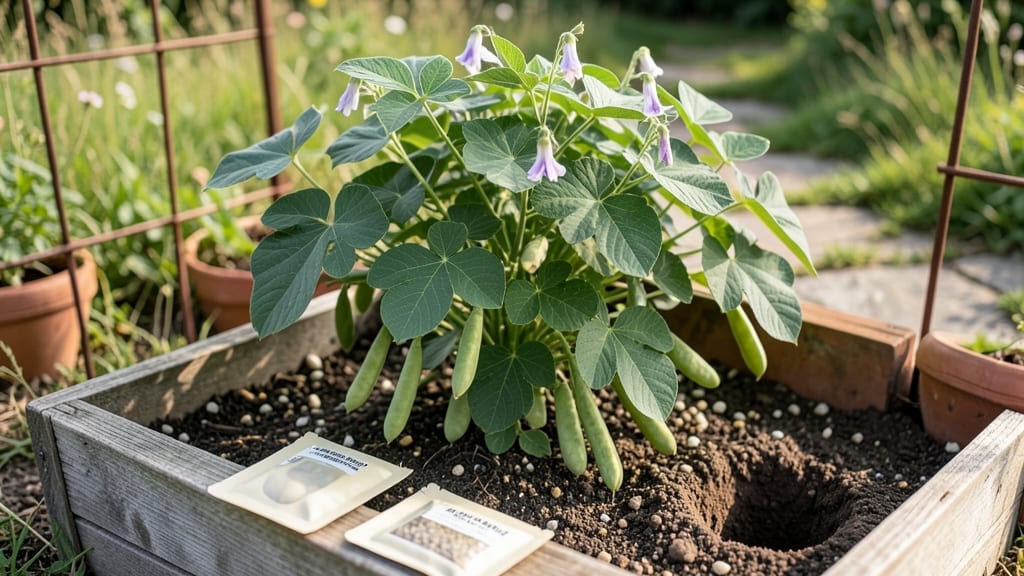
Growing lima beans from seed means harvesting bushels of tender pods in just 60 days—no store-bought plants required. 🌱 I learned the hard way that these heat-loving beans need perfect timing, or you’ll end up with leggy vines and few beans. The secret?
Planting when soil hits 60°F and giving them a sturdy support system from day one. Bush varieties stay compact (great for small gardens), while pole beans climb 6-8 feet—ideal for trellises or fences. You’ll need well-draining soil, consistent moisture, and a sunny spot (6+ hours of light daily).
The payoff? Sweet, buttery beans that taste nothing like what you find in cans. Start seeds indoors 4-6 weeks before last frost or direct-sow after danger of frost passes. Keep soil moist but not soggy—overwatering drowns seedlings before they sprout.
Once established, watch for yellowing leaves (a sign of thirst or poor drainage) and aphids (spray with soapy water if they appear). With the right care, you’ll harvest 2-3 times per week from midsummer until frost.
Save seeds for next year or share with neighbors—every pod is a victory worth celebrating.
📚 In This Guide
- What you need
- Instructions
- Tips and common mistakes
- Wrapping up and next steps
What you need
- ● Lima bean seeds: 10–20 seeds (non-GMO, heirloom varieties like Fordhook or Henderson work best for climbing).
- ● Garden soil: Well-draining, loamy soil with a pH of 6.0–7.0 (amend with compost if needed).
- ● Fertilizer: Balanced organic fertilizer (10-10-10) or compost tea for nutrient boost.
- ● Trellis or sturdy poles: 6–8 ft tall (bamboo stakes, metal cages, or wooden posts work).
- ● Watering can or hose: With a gentle spray nozzle for consistent moisture.
- ● Mulch: Straw or shredded leaves (2–3 inches) to retain soil moisture.
- ● Seed-starting trays: For indoor germination (if starting early).
- ● Plant markers: To label varieties and track growth.
- ● Row cover: Lightweight fabric to protect young seedlings from pests.
- ● Pruning shears: For trimming overgrown vines later in the season.
- ● Soil test kit: To check nutrient levels before planting.
Step-by-step guide to growing lima beans from seed
Here's the straightforward method I've used for years to grow pole lima beans—no fuss, just reliable harvests.
🌱 Step 1: Choose Your Variety and Soak the Seeds
Lima beans come in two main types: large-seeded bush varieties and smaller pole varieties. For climbing abundance, I always pick pole beans like 'Fordhook' or 'Christmas'. The key first step is soaking: place seeds in a bowl of warm water for 8-12 hours—this softens the tough seed coat and speeds germination.
After soaking, drain and rinse the seeds. Here's the thing—don't skip this step. I've tried planting dry seeds, and germination takes twice as long. Soaked seeds typically sprout within 5-7 days at 70-80°F soil temperatures. If your soil runs cooler, consider using a seedling heat mat for faster results.
🪴 Step 2: Prepare the Planting Site and Install Trellises
Lima beans need full sun and well-draining soil. Work in a 2-3 inch layer of compost before planting to enrich the soil—beans are heavy feeders and appreciate organic matter. For pole beans, install trellises or strong stakes 6-8 feet tall before planting. I use bamboo poles tied with twine for a rustic look that works perfectly.
Plant seeds 1-2 inches deep and 4-6 inches apart in rows spaced 3 feet apart. If you're planting multiple rows, space them far enough apart for easy weeding. The reason for this spacing? Lima beans grow large leaves and vines that need room to spread without competing for sunlight.
☀️ Step 3: Water and Maintain Consistent Moisture
Water the seeds immediately after planting to settle the soil around them. Keep the soil consistently moist but not soggy—lima beans are sensitive to waterlogged roots. You'll know moisture is right when the top inch of soil feels damp but not wet to the touch. I water deeply every 2-3 days during dry spells, aiming for 1 inch of water per week.
Here's where it gets fun: once seedlings emerge, watch for the first true leaves (the first pair of leaves that look like the mature plant's foliage). That's your signal to start fertilizing lightly with a balanced organic fertilizer. Too much nitrogen early on will produce lots of leaves but few beans—lima beans need phosphorus and potassium for strong roots and pods.
✂️ Step 4: Train Vines and Monitor for Pests
When vines reach 6-8 inches tall, gently guide them up the trellis or stakes. Use soft twine or plant ties to secure the main stems without crushing them. Lima beans are vigorous climbers, but they need support to grow vertically. I tie the vines every 12-18 inches as they grow to keep them upright and prevent them from flopping over.
Watch for common pests like Mexican bean beetles or aphids. If you spot them, blast off with a strong stream of water or use neem oil as a natural deterrent. I've found that a weekly inspection prevents infestations before they become a problem. Also, keep an eye out for powdery mildew—this fungal disease thrives in humid conditions, so ensure good air circulation around the plants.
⏰ Step 5: Harvest and Encourage Continuous Production
Lima beans are ready to harvest when pods are 4-6 inches long and firm to the touch. I pick them every 2-3 days during peak production to encourage more pods to form. Harvesting is easiest if you do it in the morning when the pods are crisp and fresh. Use a sharp knife or pruners to cut the pods cleanly from the vine.
Real talk: lima beans produce best in warm weather. If temperatures drop below 50°F, growth slows significantly. In cooler climates, start seeds indoors 4-6 weeks before the last frost and transplant seedlings after the soil warms up. With proper care, a single plant can produce 5-10 pounds of beans per season—plenty for fresh eating, freezing, or canning.
Tips & tricks for growing pole lima beans
These practical insights will help you avoid common pitfalls and maximize your climbing bean harvest.
Soaking Strategy: The 8-12 hour soaking window is non-negotiable for pole lima beans. Use warm (not hot) water—around 80°F—to maintain optimal germination conditions. I've found that adding a pinch of compost tea to the soaking water gives seedlings a subtle growth boost. After draining, pat the seeds completely dry before planting to prevent fungal issues. This step alone can cut your germination time by nearly half.
Trellis Timing: Install your 6-8 foot trellises before planting—trust me, you'll thank yourself later when those vigorous vines start climbing. I recommend using flexible materials like twine or soft plant ties to secure vines every 12-18 inches as they grow. The key is gentle guidance: never force the vines upward, just encourage their natural climbing habit. This vertical growth pattern maximizes sunlight exposure and air circulation, both critical for disease prevention.
Watering Wisdom: The "damp but not wet" rule is everything for lima beans. I've learned this the hard way—waterlogged roots lead to root rot, while inconsistent moisture causes blossom end rot in the pods. Use a moisture meter if possible, aiming for 20-30% soil moisture. The 1-inch weekly water target assumes average rainfall; adjust during droughts by watering every 2 days instead of every 3. Morning watering prevents fungal issues that thrive in evening moisture.
Harvest Hack: Those 4-6 inch pods are ready when they feel firm but yield slightly to gentle pressure. I harvest with sharp pruners at the vine junction to prevent damage. Here's the thing about lima beans: they produce continuously when picked regularly. If you miss your 2-3 day harvest window, the pods will toughen and lose flavor. For maximum yield, harvest in the morning when pods contain the most moisture and nutrients.
Pro Tips for Grow Lima Beans From Seed
- These practical insights will help you avoid common pitfalls and maximize your climbing bean harvest.
- Soaking Strategy: The 8-12 hour soaking window is non-negotiable for pole lima beans.
- Trellis Timing: Install your 6-8 foot trellises before planting—trust me, you'll thank yourself later when those vigorous vines start climbing.
Frequently asked questions
Got questions about growing lima beans from seed? You’re not alone! Here are answers to the most common queries to help you cultivate a thriving harvest with confidence.
How long does it take for lima beans to germinate?
Lima bean seeds typically sprout in 7–14 days after planting, depending on soil warmth and moisture. For faster germination, keep the soil consistently moist and warm (around 70–85°F). If you’re growing in cooler climates, consider starting seeds indoors 2–3 weeks before the last frost.
When is the best time to plant lima beans?
Lima beans thrive in warm soil, so wait until the ground reaches at least 60°F—usually 2–3 weeks after your last frost date. In hot climates, plant in early summer for a fall harvest. Avoid planting too early, as cold soil can stunt growth or cause rot.
Can I grow lima beans in containers or small spaces?
Bush lima beans
are perfect for containers (use pots at least 12–18 inches deep), while pole varieties need a trellis or tall cage (5–6 feet). Ensure containers have drainage holes and use a lightweight potting mix. Just plant 2–3 seeds per container for best results.
What pests or diseases should I watch for?
Lima beans attract bean beetles, aphids, and Mexican bean beetles, which can defoliate plants. Preventative tips: Use row covers early, handpick pests, or spray with neem oil. Watch for bacterial blight (yellow spots) or root rot (mushy stems)—improve drainage and avoid overhead watering to reduce risks.
Why aren’t my lima beans producing pods?
Poor pod production often stems from temperature stress (too hot or cold), lack of pollinators, or nutrient deficiencies. Ensure plants get full sun (6+ hours/day) and consistent water. If flowers drop without pods, hand-pollinate with a soft brush or attract bees with nearby flowering plants.
Wrapping up and next steps
Growing lima beans from seed is a rewarding journey that delivers nutrient-rich harvests in just 60 days! With the right soil, spacing, and care, you’ll soon be climbing poles to pluck sweet, flavorful pods.
Whether you’re a beginner or seasoned gardener, lima beans are a low-maintenance crop that thrives with patience and a little attention.
Now that you’re armed with tips and tricks, roll up your sleeves and plant those seeds! Ready for the next step? Try experimenting with companion planting or explore other fast-growing garden crops to maximize your harvest. Happy gardening! 🌱🎉