
How To
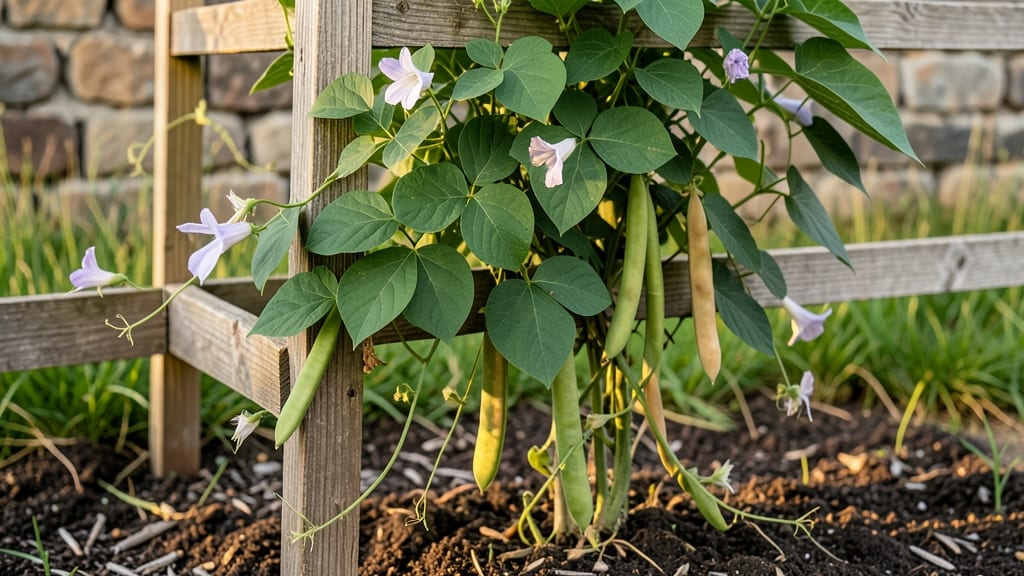
Wondering how tall do lima beans grow? These plants reach heights of 3 to 8 feet, depending on whether you’re planting pole or bush varieties—a difference that can completely change how you design your garden layout.
If you’ve ever stared at a sprawling vine and wondered why it’s reaching for the sky, you’re not alone. Pole varieties can climb 10 feet or more with the right support, while bush types stay compact at just 1 to 3 feet.
That’s a huge gap in space needs, and it’s the first thing to consider when picking seeds.
For pole beans, think trellises or sturdy cages — they’ll need room to climb, and without support, those vines can flop and tangle. Bush types, on the other hand, thrive in tight rows with just a little extra space between plants.
Both types reward you with sweet, buttery pods, but the way you grow them couldn’t be more different.
Below, I’ll break down the height differences, spacing tips, and how to choose the right variety for your garden — whether you’ve got a small balcony or a sprawling backyard.


Pole lima bean height: growth habits and space requirements
Pole lima beans are the vertical superstars of the garden, reaching 6 to 10+ feet with proper support. Their twining vines require sturdy structures like trellises or arbors, making them ideal for maximizing small spaces or creating dramatic garden focal points.
Unlike their bush counterparts, these vining varieties grow taller than most gardeners, often climbing to rooftops or fences if given the chance!
Understanding their growth habits is key to successful cultivation. Pole lima beans start as delicate seedlings but quickly develop into robust climbers, needing 3-4 weeks to establish before they begin vigorous vertical growth. Without proper support, their heavy pods can cause vines to flop, reducing yields and making harvests difficult.
Here’s how their height affects garden planning:
When selecting a trellis system, opt for materials like metal cages, wooden arbors, or heavy-duty netting that can support the weight of mature vines. Avoid flimsy structures like twine or chicken wire, which can snap under the weight of heavy lima bean pods.
For maximum yield, install trellises at planting time to give vines immediate support as they emerge.
Spacing is another critical factor. Plant pole lima beans 6-8 inches apart in rows spaced 3-4 feet apart to allow airflow and prevent disease. Crowding leads to shady lower leaves, which increases the risk of fungal issues like rust or blight.
In small gardens, consider container growing with individual trellises or vertical towers to save space.
One of the biggest mistakes gardeners make is underestimating wind exposure. Tall trellises need staking or guy wires in windy climates to prevent toppling. Bury trellises 12-18 inches deep or use concrete anchors for stability.
If you’re growing near a fence or wall, ensure the structure can handle the lateral pressure of climbing vines.
Harvesting becomes easier with height in mind. Pole lima beans produce pods along the entire vine, so plan for a ladder or step stool if your trellis exceeds 8 feet.
Always harvest pods when they’re 4-6 inches long and firm to avoid woody textures. Regular harvesting encourages more production, as the plant focuses on new growth rather than seed development.
For those with limited space, consider dwarf pole varieties like Christmas Lima, which max out at 7-9 feet but still benefit from vertical support. These varieties are perfect for patio gardens or balcony containers with 5-6 foot trellises.
Just remember: even shorter pole beans need consistent support from day one!
If you’re new to growing pole lima beans, start with a 6-foot trellis and observe how your plants grow. Adjust spacing and support as needed—some varieties like King of the Garden may surprise you with 12-foot vines in ideal conditions.
With the right setup, you’ll enjoy a bounty of sweet, buttery lima beans all season long!
Bush lima bean height: compact varieties and spacing needs
If you're working with limited garden space, bush lima beans are your best friend—they stay low and bushy, reaching just 1 to 3 feet tall at maturity. Unlike their towering pole cousins, these compact varieties thrive without trellises, making them perfect for small gardens, containers, or even raised beds.
Their dense foliage also helps suppress weeds, reducing maintenance work.
One of the biggest advantages of bush lima beans is their space efficiency. Since they don’t climb, you can plant them in tight rows or even interplant with other low-growing crops like lettuce or radishes.
This makes them ideal for urban gardens or backyard plots where vertical space is limited. Just be sure to give each plant enough room to breathe—crowding can lead to poor airflow and disease.
| Variety | Mature Height | Spacing Needs | Sunlight Needs |
|---|---|---|---|
| Fordhook 242 | 2–3 ft | 4–6 inches apart | Full sun (6+ hrs) |
| Christmas | 2–2.5 ft | 3–4 inches apart | Full sun (6+ hrs) |
| Henderson | 2.5–3 ft | 4–5 inches apart | Full sun (6+ hrs) |
| Jackson Wonder | 2–2.5 ft | 3–4 inches apart | Full sun (6+ hrs) |
For optimal growth, plant bush lima beans in well-draining soil with a pH between 6.0 and 7.0. They prefer warm soil temperatures, so wait until after the last frost date in your area to sow seeds.
Since they’re shallow-rooted, avoid deep tilling—just loosen the top 6 inches of soil to encourage healthy root development.
When it comes to sunlight, bush lima beans are sun worshippers. They need at least 6 to 8 hours of direct sunlight daily to produce their best yield.
In shadier spots, you might still get pods, but they’ll be smaller and less flavorful. If your garden is partially shaded, choose a south-facing location to maximize sunlight exposure.
To maximize your harvest, space bush lima beans 3 to 5 inches apart in rows that are 18 to 24 inches apart. This gives them enough room to spread without competing for nutrients.
If you’re planting in containers, use pots that are at least 12 inches deep and wide, with 2–3 plants per container. Just remember to water consistently—1 to 2 inches per week—to keep the soil evenly moist but not soggy.
One of my favorite space-saving tricks is to interplant bush lima beans with fast-growing crops like radishes or lettuce. The lima beans will take over as the radishes finish, ensuring your garden stays productive all season. Just avoid planting them near potatoes or onions, as these can stunt their growth.
With the right spacing and care, you’ll enjoy a bountiful harvest of tender, flavorful lima beans—all without sacrificing precious garden real estate! 🌱