
Vegetables
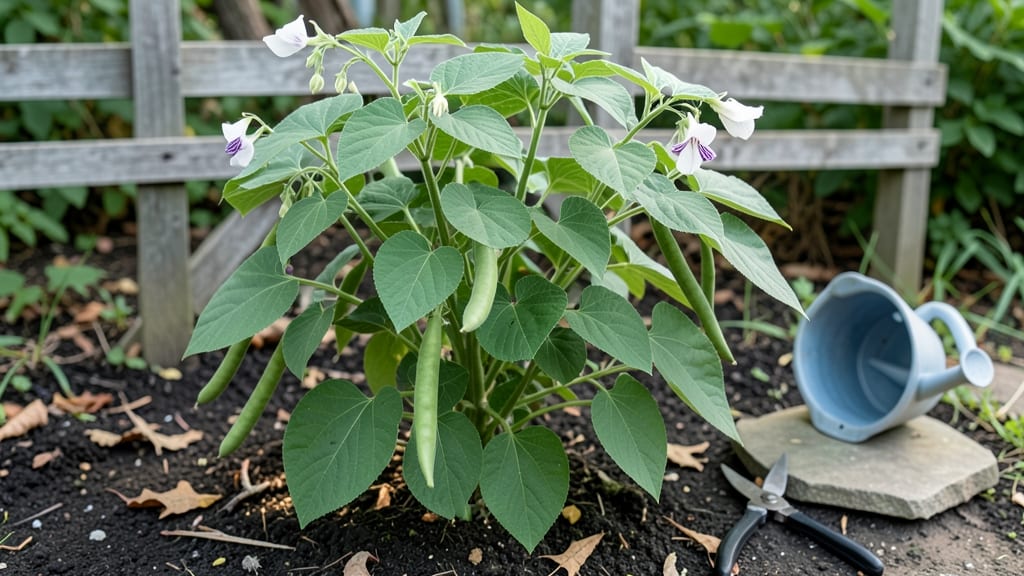
Green beans grow surprisingly fast—some varieties reach harvestable pods in just 30 days—but the speed depends entirely on whether you’re growing bush or pole types.
Picture this: you tuck seeds into the soil in early spring, and by midsummer, you’re snapping fresh pods for salads. That’s the promise of green beans, but only if you pick the right variety and give them the conditions they crave.
Too much shade or uneven watering, and those 30-day timelines stretch into weeks of waiting.
Here’s the good news: with the right soil, sunlight, and a little patience, you can shave days off the growth cycle. Pole beans climb toward the sky faster than bush varieties spread out, while bush beans reward you with a steady harvest if you keep up with the picking.
Whether you’re planting in raised beds or containers, timing is everything.
Below, I’ll break down the exact growth stages—from germination to your first crisp pod—plus the pro tips to speed up your harvest. No more guessing when those beans will be ready!


Green bean growth timeline: pole vs bush varieties compared
Green beans are one of the fastest-growing vegetables in your garden, but their speed depends entirely on whether you're growing pole beans or bush beans.
These two varieties follow completely different growth timelines, with bush beans maturing in as little as 45 days while pole beans can take up to 65 days to reach harvest. Understanding these differences helps you plan your garden for the fastest, most abundant harvest possible.
Both varieties start with similar germination timelines—typically 7-14 days after planting—but their growth patterns diverge dramatically after sprouting. Soil temperature plays a crucial role here: seeds planted in 60°F+ soil will sprout faster than those in cooler conditions.
If you're in a cooler climate, consider using black plastic mulch to warm the soil and speed up germination by 3-5 days.
Here's how the two varieties compare at every stage of growth, from seed to harvest:
| Growth Stage | Bush Beans | Pole Beans | Key Difference |
|---|---|---|---|
| Germination | 7-14 days | 7-14 days | Same for both varieties |
| Seedling Stage | 14-21 days | 14-21 days | Bush beans grow wider; pole beans grow taller |
| Vegetative Growth | 21-35 days | 28-42 days | Pole beans take longer to establish vines |
| First Flowers | 28-35 days | 35-42 days | Bush beans bloom earlier |
| Pod Development | 35-45 days | 42-56 days | Pole beans need trellis support |
| Harvest Ready | 45-55 days | 55-65 days | Bush beans mature 10-15 days faster |
| Mature Height | 1-3 feet | 6-10 feet | Pole beans require trellising |
| Yield Potential | High initial yield | Lower initial yield but longer harvest | Pole beans produce over 2-3 harvests |
Bush beans are the clear winners for speed, with many varieties like Blue Lake or Contender reaching harvest in just 45-50 days. These compact plants focus all their energy on producing pods quickly, making them ideal for short-season gardens or container growing.
If you're planting in late spring or early summer, bush beans give you the fastest route to fresh green beans.
Pole beans, on the other hand, take longer to establish but reward you with a prolonged harvest. Varieties like Kentucky Wonder or Rattlesnake can produce beans for 60+ days once they mature, often continuing until frost.
The trade-off is worth it if you want to extend your harvest season or save space—pole beans produce more beans per square foot over time.
One critical factor that affects both varieties is soil temperature. Green beans thrive in soil that's at least 60°F, but they grow fastest in 70-80°F conditions. If your spring is cool, consider using row covers to warm the soil and accelerate growth.
I've seen germination times cut in half by using black plastic mulch in early spring plantings.
For the fastest possible harvest, plant bush beans in well-draining, nutrient-rich soil with a pH between 6.0-7.0. Add a balanced fertilizer (like 10-10-10) at planting and again when
Factors that speed up or slow down green bean growth
Green beans are fast growers, but their speed depends entirely on the conditions you provide. Sunlight exposure, soil nutrients, and consistent moisture can cut your harvest time by weeks. Even small changes—like adding compost or adjusting watering schedules—make a big difference in how quickly your plants produce pods.
Let’s break down the key factors that either accelerate or delay your green bean growth.
First, temperature plays a critical role. Green beans thrive in warm soil (60-85°F) and air temperatures above 55°F. If nights dip below 50°F, growth slows dramatically. This is why planting after the last frost is crucial—cool soil delays germination and stunts early development.
Even in ideal temperatures, poor soil quality can hold your plants back, making nutrient-rich amendments essential for speed.
One of the biggest mistakes gardeners make is overcrowding plants. Bush beans need 4-6 inches of space, while pole beans thrive with 6-8 inches between supports. When roots compete for nutrients, growth stalls, and pods develop slower.
I’ve seen harvests delayed by 10 days or more in crowded beds, simply because the plants were stressed. Mulching around the base helps retain moisture and keeps roots cool, which can shave off 3-5 days from your timeline.
Another often-overlooked factor is pest pressure. Aphids, bean beetles, and spider mites suck sap from leaves, weakening plants and slowing pod development. Using row covers early in the season can protect your crop and keep growth on track.
I’ve noticed that organic neem oil sprays, applied preventatively, reduce pest-related setbacks by up to 14 days in severe infestations.
Finally, variety selection matters. Bush beans like 'Blue Lake' mature in 50-55 days, while pole beans such as 'Kentucky Wonder' take 60-65 days. If you’re in a short growing season, choose early-maturing varieties like 'Contender' (45 days) to maximize your harvest speed.
Even within the same variety, starting seeds indoors 2-3 weeks before the last frost can give you a 7-10 day head start compared to direct sowing.
By paying attention to these factors, you can optimize your green bean growth and enjoy fresh pods in record time. The key is consistency—sun, soil, water, and nutrients all work together to create the fastest-growing plants possible. 🌱