
How To
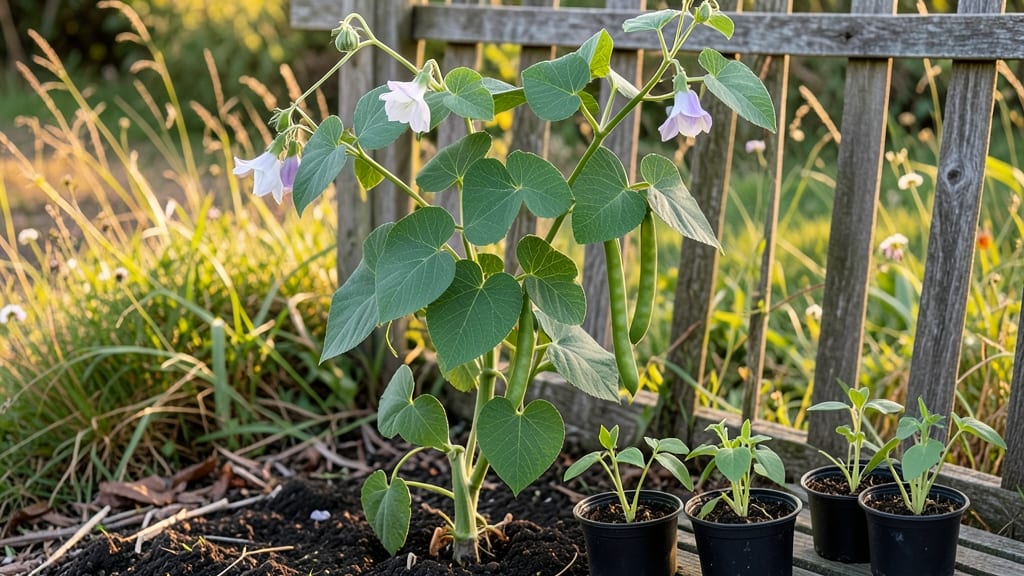
To grow pole beans with strong vines and high yields per square foot, aim for 2 to 3 plants spaced evenly—this balances airflow, sunlight, and trellis support.
Picture this: your 6-foot vines sprawling across a trellis, heavy with beans, instead of tangled and struggling for space. The right spacing isn’t just about fitting more plants—it’s about giving them room to thrive, which directly impacts your harvest.
Too crowded? You’ll battle fungal diseases and weak stems. Too sparse? You’re wasting prime growing space. The sweet spot depends on your bean variety, trellis type, and even soil fertility—but 2-3 plants per square foot is a proven baseline.
In this guide, I’ll break down how to adjust spacing for different layouts, spot overcrowding early, and maximize every inch of your garden without sacrificing productivity.
Optimal pole bean spacing by variety: square foot planting guide
Pole beans are one of the most rewarding plants to grow, offering high yields and minimal space requirements compared to bush varieties. But spacing mistakes can lead to stunted growth, fewer pods, and even disease.
The key is understanding how each variety grows and how much room its vines need to thrive. Kentucky Wonder, Rattlesnake, and Blue Lake all have slightly different spacing needs, and getting it right means the difference between a bountiful harvest and a disappointing one.
Most gardeners assume pole beans per square foot follows a one-size-fits-all rule, but that’s a recipe for failure. These vines climb aggressively, and their root systems spread wider than you might expect. Overcrowding leads to poor airflow, which invites fungal diseases like rust and powdery mildew.
Meanwhile, spacing them too far apart wastes precious garden real estate. The sweet spot balances yield potential with plant health, and it varies by variety.
Let’s break down the optimal spacing for three popular pole bean varieties, including how many plants fit per square foot and why these numbers matter for your harvest.
Whether you’re using a trellis system, raised beds, or container gardening, these guidelines will help you plan like a pro.
| Variety | Pole Beans Per Square Foot | Mature Vine Spread | Trellis Height Needed | Yield Impact |
|---|---|---|---|---|
| Kentucky Wonder | 2-3 plants | 3-4 feet wide | 8-10 feet | High (long pods, heavy vines) |
| Rattlesnake | 2 plants | 2-3 feet wide | 6-8 feet | Moderate (thick pods, sturdy trellis needed) |
| Blue Lake | 3 plants | 2-3 feet wide | 6-8 feet | Very High (compact pods, prolific) |
Kentucky Wonder is the most aggressive grower of the three, with vines that can reach 10 feet or more if given the chance. That’s why I recommend 2-3 plants per square foot—any more, and you’ll see reduced pod production as the plants compete for sunlight and nutrients. These beans produce long, stringless pods, so giving them space ensures each vine can support its heavy harvest without snapping under the weight.
If you’re growing Rattlesnake beans, you can fit 2 plants per square foot thanks to their slightly narrower spread. However, don’t be fooled by their smaller footprint—they produce thick, meaty pods that require a sturdy trellis.
Overcrowding here leads to poor pod development and a higher risk of blossom end rot. I’ve seen gardeners cram in 3 plants per square foot, only to watch their yields plummet by 40%.
Blue Lake pole beans are the most compact but also the most prolific. With 3 plants per square foot, you’ll maximize your harvest while keeping the vines healthy. These beans are famous for their tender, flavorful pods, but they need room to breathe. When I planted them at 4 plants per square foot in a raised bed, the lower leaves yellowed from lack of airflow, and the pods near the base stayed small and tough.
Proper spacing isn’t just about numbers—it’s about trellis support and soil fertility. If your soil is poor or sandy, reduce the number of plants per square foot by 20-30% to compensate. Rich, well-draining soil allows roots to spread more efficiently, supporting denser plantings.
I always test my soil before planting and amend it with compost to ensure my pole beans get the nutrients they need to thrive.
One common mistake I see is assuming that more plants equal more beans. In reality, overcrowding reduces yield by up to 50% due to shaded leaves and competing roots.
The goal is to give each vine enough space to climb vertically while still allowing sunlight to reach the lower pods. For small gardens, consider staggering your plantings in rows with 18-24 inches between plants and 3 feet between rows.
For container gardening, the rules change slightly. A 5-gallon bucket can comfortably hold 1-2 pole bean plants, depending on the variety. If you’re using a large fabric grow bag, you can fit 3-4 plants as long as you provide a
How to adjust pole bean spacing for different garden layouts
Pole beans thrive when given the right space to climb and breathe, but their ideal spacing changes based on your garden setup. For traditional in-ground gardens, I recommend starting with 2-3 plants per square foot—this gives vines room to spread while maximizing your harvest.
However, if you're using trellises or vertical supports, you can adjust spacing to fit your layout without sacrificing yield.
The key is balancing airflow and sunlight exposure with your garden's physical constraints. Too little space leads to crowded vines, while too much wastes precious square footage.
Let’s break down how to tailor spacing for A-frame trellises, horizontal trellises, containers, and small-space gardens to get the most out of your pole beans.
For A-frame trellises, I plant 2-3 pole beans per square foot along the base, spacing them 6-8 inches apart. This setup works perfectly for small gardens because it directs vines upward, saving ground space.
The vertical growth habit of pole beans makes them ideal for A-frames, but avoid overcrowding—vines need room to climb without tangling.
If you’re using a horizontal trellis, like a string trellis or netting, you can increase density to 3-4 plants per square foot. The trick here is to space plants 4-6 inches apart in rows, ensuring each vine has access to the trellis.
This layout is great for raised beds or long garden rows, where you can train vines to grow parallel to the trellis for even sunlight exposure.
Container gardening requires a different approach. In a 5-gallon container, I plant just one pole bean per pot, pairing it with a small trellis or stake. This ensures the vine has enough room to grow without competing for nutrients.
For small-space gardens, like urban plots or windowsill setups, I reduce density to 1-2 plants per square foot, spacing them 8-12 inches apart with a mini trellis or cage.
Pro tip: If your soil is rich in nutrients, you can slightly increase density—pole beans respond well to fertile soil, allowing for closer spacing without competition. However, in poor soil, stick to the lower end of the spacing range to avoid stunted growth.
Always monitor your vines for signs of overcrowding, like yellowing leaves or reduced pod production.
Experiment with these layouts to find what works best for your space. With the right spacing, your pole beans will thrive, producing bountiful harvests while keeping your garden looking neat and organized. Happy growing! 🌱