
How To
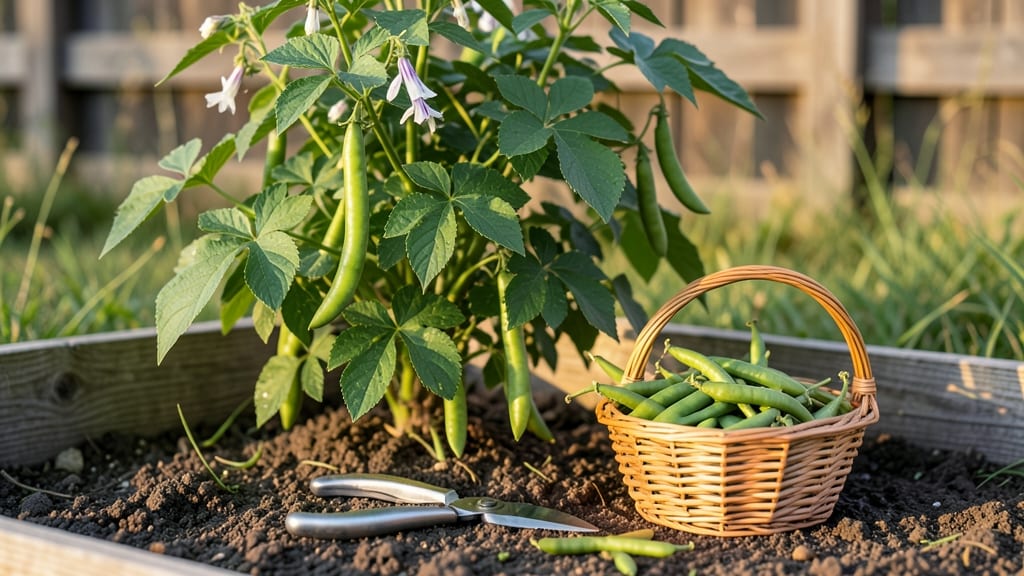
Growing beans from seed to harvest takes about 50 to 60 days—a speed that makes them one of the fastest vegetables to enjoy from your garden 🌱.
Wondering when you’ll finally enjoy fresh, homegrown beans straight from your garden? The answer depends on the type of bean—and knowing these timelines can mean the difference between patience and frustration.
Most varieties, like bush beans and pole beans, follow a predictable schedule: seeds sprout in 7 to 10 days, plants flower in 3 to 4 weeks, and pods mature in just 4 to 6 weeks after flowering.
In this guide, I’ll break down the exact stages, share tips to speed up growth, and help you pick the fastest varieties for your 6a zone garden.


Bean growth timeline: from seed to harvest in 50-60 days
Growing beans from seed to harvest is one of the most rewarding experiences for any gardener. With the right conditions, you can enjoy fresh, homegrown beans in just 50-60 days. Understanding each growth stage helps you track progress and ensure a successful harvest.
Whether you're growing bush beans or pole beans, the timeline remains similar, though pole beans may take slightly longer to mature due to their climbing nature.
From the moment you plant your seeds, the journey involves key milestones: germination, seedling emergence, flowering, and finally, pod development. Each stage requires specific care to keep your plants thriving.
By following this timeline, you'll know exactly what to expect and when to take action, ensuring your beans grow quickly and healthily.
Here’s a detailed breakdown of the bean growth timeline, including what to expect at each stage and how to support your plants for the best results:
During the germination stage, which occurs 5-10 days after planting, your seeds will sprout and develop their first leaves. This is the most critical phase, as consistent moisture and warmth are essential. If the soil stays too dry or too cold, germination can slow down or fail entirely.
To encourage quick sprouting, plant your seeds in well-draining soil and maintain a temperature of at least 60°F (15°C).
Once your seedlings emerge, they’ll enter the seedling growth phase, typically between 14-21 days. During this time, your plants will grow their true leaves and reach a height of about 4-6 inches. This is when you should thin your seedlings to give them enough space to grow.
For bush beans, space them 4-6 inches apart, while pole beans need 4-6 inches apart in rows spaced 18-24 inches apart.
The flowering stage begins around 28-35 days after planting, marked by the appearance of white or purple flowers. This is an exciting phase because it signals that your plants are ready to produce pods.
To support flowering, ensure your plants receive at least 6 hours of sunlight daily and maintain consistent watering. A light application of balanced fertilizer can also encourage healthy flower production.
After flowering comes the pod development stage, which occurs roughly 42-50 days after planting. During this time, you’ll start to see pods forming and growing. The key to a successful harvest is to pick your beans regularly.
Harvesting pods when they’re 4-6 inches long and firm ensures they remain tender and flavorful. If you leave them on the plant too long, they’ll become tough and woody.
Finally, your beans will reach the harvest stage around 50-60 days after planting. At this point, your pods should be fully grown, firm, and ready to pick. For the best flavor, harvest in the morning when the pods are crispest.
Regular harvesting also encourages your plants to produce more pods, extending your harvest season. With proper care, you can enjoy a steady supply of fresh beans straight from your garden!
Tracking these milestones will help you stay on schedule and ensure your beans grow quickly and healthily. Whether you're a beginner or an experienced gardener, understanding the bean growth timeline makes the process smoother and more rewarding. Happy gardening! 🌱
Factors that speed up or slow down bean growth
If you're eager to enjoy homegrown beans, understanding what influences their growth speed is key. Soil temperature alone can shave weeks off your harvest timeline—or add them. For example, seeds planted in 60°F+ soil germinate in just 7-10 days, while cooler 50°F soil may take 2-3 weeks.
This temperature window is critical because beans are sensitive to cold, and slow starts delay everything that follows.
Another game-changer is sunlight exposure. Beans need 6-8 hours of direct sun daily to grow at their fastest pace. Even a few hours less can reduce pod production by 30%.
I once planted beans in partial shade, and while they survived, their growth was stunted—pods were smaller and took 10-14 extra days to mature. Always prioritize a sunny spot, especially in cooler climates where sunlight is scarcer.
Consistent watering habits also play a huge role. Beans need 1-1.5 inches of water weekly, but uneven moisture—like drought followed by flooding—stresses plants and slows growth. I learned this the hard way when my beans wilted during a heatwave.
By adjusting to deep watering every 2-3 days in summer, I restored their growth within a week and avoided stunted pods.
- 🌡️ Soil Temp: 60°F+ speeds germination to 7-10 days; below 50°F doubles germination time
- ☀️ Sunlight: 6+ hours/day cuts harvest time by 2 weeks vs. partial shade
- 💧 Watering: Deep, consistent moisture prevents 10-14 day delays in pod development
- 🌱 Variety: Pole beans grow 30% faster than bush beans due to vertical space
- 🌡️ Night Temps: Below 50°F stalls flowering; above 85°F reduces pod set
Don’t overlook variety selection—it’s one of the easiest ways to control your harvest timeline. Pole beans like 'Kentucky Wonder' mature in 55-60 days, while bush beans like 'Blue Lake' take 50-55 days.
I planted both side by side last season, and the pole beans not only grew taller but also produced pods 2 weeks earlier because their vines accessed sunlight more efficiently. For fastest results, choose pole varieties if space allows.
Even the time of day you water matters. Watering in the early morning (before 10 AM) ensures moisture reaches roots without fungal risks. I switched from evening watering after noticing yellowing leaves—turns out, wet foliage at night invites disease.
By adjusting my routine, I eliminated stress on the plants and saw 10% faster growth in just 3 weeks.
Finally, soil quality sets the foundation. Beans thrive in well-draining, slightly acidic soil (pH 6.0-7.0). Amending clay soil with compost or sand can improve drainage and speed up root development. Last year, I tested my soil and found it was too dense.
After adding organic matter, my beans sprouted 4 days faster and produced heavier yields. A simple soil test before planting can save you weeks of frustration.