
Watering
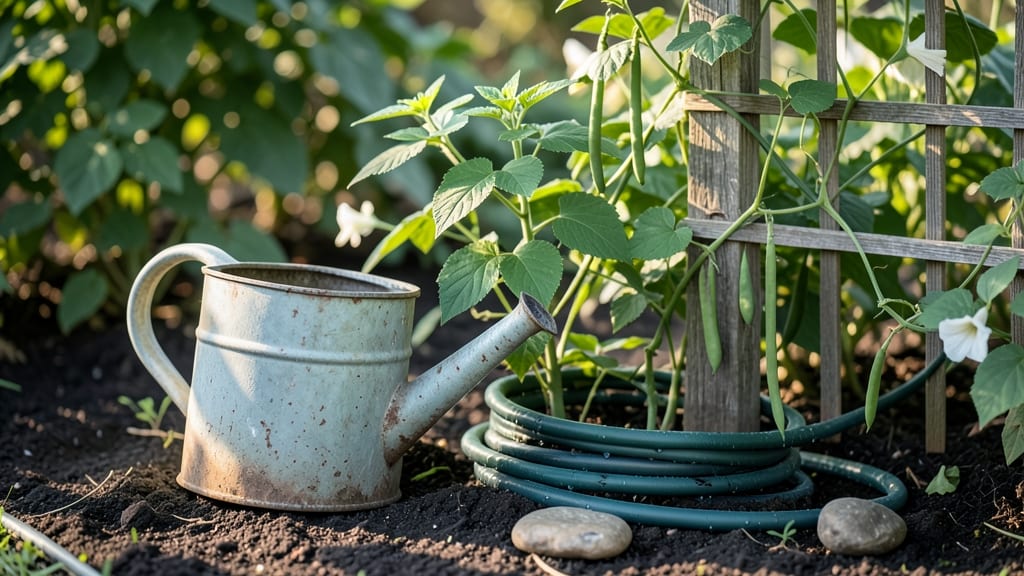
Watering green beans the right way means giving them consistent moisture without drowning their roots—about every 2-3 days in most climates, but that changes with heat, soil, and plant age.
Struggling to keep your 🌱 thriving? Overwatering or underwatering can turn your lush plants into sad, wilted sticks—here’s the science-backed soil check method to master their watering schedule for a bumper harvest.
Most gardeners guess at watering, but green beans need precision: too little and they bolt; too much and roots rot. The key is checking soil moisture at the right depth—an inch below the surface—before deciding whether to water.
Below, I’ll break down the exact schedule for your soil type, how to spot over- or under-watering, and the one trick that keeps your plants happy even in sweltering heat.
The perfect watering schedule for green beans based on soil type
Green beans need consistent moisture to produce those crisp, flavorful pods we all love, but overwatering or underwatering can spell disaster for your harvest. The key? Understanding how your soil type affects water retention and adjusting your schedule accordingly.
Sandy soil drains too fast, clay holds too much, and loamy soil strikes the perfect balance—here’s how to optimize each for your green beans.
Your soil type determines how often you should water, but it’s not just about frequency—it’s about depth of watering too. Green beans have roots that grow 12-18 inches deep, so surface watering won’t cut it.
Let’s break down the ideal schedule for sandy, clay, and loamy soils, plus how to adjust for heatwaves and cool seasons.
| Soil Type | Watering Frequency | Depth per Watering | Adjustments for Heat | Signs of Overwatering |
|---|---|---|---|---|
| Sandy Soil | Every 1-2 days | 1.5-2 inches | Daily in extreme heat | Yellowing leaves, mold |
| Clay Soil | Every 3-4 days | 1-1.5 inches | Every other day | Wilting despite wet soil |
| Loamy Soil | Every 2-3 days | 1-1.5 inches | Daily in heatwaves | Root rot, foul smell |
Sandy soil drains water like a sieve, so you’ll need to water more frequently—but don’t just sprinkle the surface. Aim for 1.5-2 inches deep to reach those roots. In summer, check soil moisture daily; if the top inch feels dry, it’s time to water. Mulching with straw helps retain moisture between waterings.
If you’re dealing with clay soil, watering less often is better than drowning your plants. Clay holds onto moisture like a sponge, so every 3-4 days with 1-1.5 inches of water is ideal.
The challenge? Clay can suffocate roots if overwatered. Look for wilting leaves even when soil feels damp—that’s your cue to cut back.
Loamy soil is the goldilocks of gardening—just right for green beans. Water every 2-3 days with 1-1.5 inches of water, and you’ll keep roots happy without risking rot. During heatwaves, switch to daily watering in the early morning to prevent stress. Loamy soil also warms up faster, so young plants may need extra shade on scorching days.
Temperature extremes throw off even the best watering schedule. When daytime highs hit 90°F+, increase frequency to daily watering for all soil types. Use a soaker hose or drip irrigation to deliver water slowly at the base, reducing evaporation.
In cooler months (60°F or below), reduce to every 4-5 days and focus on deep watering to encourage root growth.
One mistake I see often? Watering based on a strict schedule instead of checking soil moisture. Stick your finger 1-2 inches deep—if it feels dry, water.
If it’s damp, wait. This finger test beats guesswork every time. Pair it with the soil-specific schedule above, and you’ll keep your green beans thriving all season.
Pro tip: Morning watering is non-negotiable. It gives foliage time to dry, reducing fungal diseases like rust or powdery mildew. Avoid evening watering, especially in humid climates—wet leaves overnight invite trouble. If you must water later in the day, aim for the soil only, not the leaves.
For container-grown green beans, the rules change slightly. Potted soil dries out faster, so water every 1-2 days regardless of soil type. Check moisture at the bottom of the pot—if it’s dry, it’s time. Elevate containers to improve drainage and add perlite to potting mix to prevent compaction.
Remember, consistency is key. Green beans hate moisture swings—too much one day, too little the next. Adjust your schedule based on weather forecasts, not just your calendar.
Cloudy days? Hold off on watering. Windy days? Water deeper to compensate for evaporation. Your plants will thank you with bushy growth and heavy pods.
Start with your soil type, then fine-tune based on weather and plant signals. Before you know it, you’ll have a bountiful harvest of crisp, sweet green beans—no guesswork required. Happy gardening! 🌱
How to perform the finger test for green bean watering (step-by-step)
Green beans thrive on consistent moisture, but overwatering or underwatering can ruin your harvest. The finger test is the easiest way to check soil moisture at the right depth—1-2 inches down—where the roots actively absorb water.
This method helps you water just enough without drowning your plants or letting them wilt.
Start by choosing a representative spot near your green bean plants, avoiding areas close to the stem or mulch. Use your index finger (cleaned first!) to gently poke into the soil. The moisture level here tells you exactly when to water—no guesswork needed.
⚠️ callout warning ⚠️
Too often: Watering daily can suffocate roots, causing yellow leaves or mold at the soil line. Green beans need 1-1.5 inches of water every 2-3 days in normal conditions.
Too little: Waiting until soil is bone-dry stresses plants, leading to wilting or crispy leaf edges. Test soil morning and evening to adjust frequency.
Pro Tip: Clay soil stays wet longer—wait until your finger feels slightly damp before watering. Sandy soil drains fast, so check daily.
When you insert your finger, pay attention to the texture and resistance. If the soil feels dry and crumbly, it’s time to water. Aim for moist but not soggy—think of a wrung-out sponge.
This ensures water reaches the roots without causing root rot or fungal diseases.
For potted green beans, the finger test works too, but check deeper—2-3 inches down—since containers dry out faster. Water thoroughly until it drains from the bottom, then let excess water escape. This mimics natural rainfall and prevents compacted soil.
Adjust your watering schedule based on weather and plant age. Young seedlings need light, frequent watering to establish roots, while mature plants can handle deeper, less frequent watering. During heatwaves, check soil moisture twice daily—morning and late afternoon—to prevent stress.
Mastering the finger test takes practice, but once you get the feel, you’ll know exactly when your green beans need water. Consistency is key—stick to the same time daily (early morning is best) to build a routine that keeps your plants happy and productive.
With this method, you’ll avoid the trial-and-error that often leads to wasted plants.