
How To
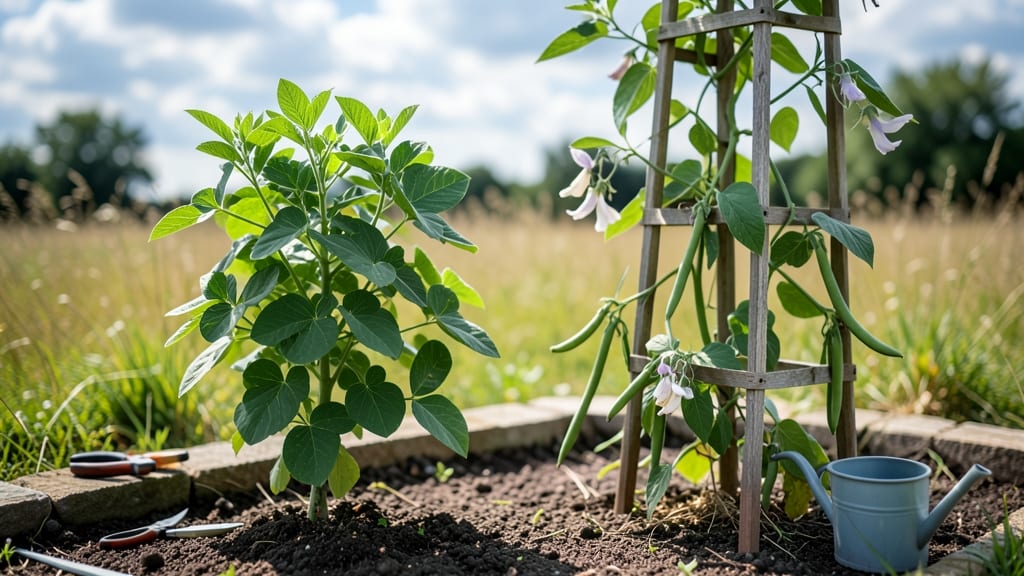
Green beans grow anywhere from 1 foot to over 8 feet tall, depending on whether you’re growing bush or pole varieties 🌱 — and that height difference changes how you plan your garden.
If you’ve ever dreamed of a towering vertical garden but worried about space, pole beans climb like vines, reaching 6 to 12 feet with the right trellis. Meanwhile, bush beans stay compact at 1 to 3 feet, making them perfect for small plots or containers.
The right choice depends on your garden layout, how much you want to harvest, and whether you’re up for staking. Below, I’ll break down the pros and cons of each type, plus tips for maximizing height without sacrificing yield.
You’ll also discover how sunlight, soil, and even your watering habits can tweak growth—so you can grow taller beans (or keep them short) no matter your space.


Green bean height guide: pole vs bush varieties compared
When planning your garden, knowing how tall green beans grow is key to choosing the right variety for your space. Pole beans and bush beans offer dramatically different heights—pole beans climb 6-12 feet, while bush beans stay compact at 1-3 feet.
This difference affects everything from trellis setup to harvest strategy, so let's break down the specifics to help you decide what works best for your garden layout.
Pole beans are the vertical champions, using their tendrils to climb trellises, fences, or even sturdy stakes. Their height makes them perfect for small spaces or urban gardens where ground space is limited.
Meanwhile, bush beans grow in neat, self-supporting mounds, ideal for traditional row gardens or containers. Understanding these growth habits helps you optimize yield and space efficiency.
The comparison table below highlights the key differences in height, space needs, and support requirements for each type. This visual guide will help you compare at a glance which variety fits your garden's dimensions and your gardening goals.
Pole beans thrive when given vertical support, as their tendrils naturally wrap around structures like trellises or fences. Without support, they’ll sprawl, leading to tangled vines and reduced airflow, which can invite pests or diseases.
Installing a 5-6 foot tall trellis early in the season gives them room to climb and produces straighter, cleaner pods that are easier to harvest.
On the other hand, bush beans don’t need any support—their compact, bushy growth habit makes them low-maintenance and perfect for gardeners who prefer a no-fuss approach.
They spread outward rather than upward, so spacing them 3-4 inches apart in rows 18-24 inches apart ensures good airflow and prevents overcrowding, which can lead to disease.
If you're working with limited space, pole beans are the clear winner. They allow you to grow more beans vertically while keeping your garden footprint small.
For example, a 6-foot trellis can support multiple pole bean plants, producing as much as a row of bush beans would in the same ground space. This vertical gardening technique is especially useful in small yards, balconies, or containers.
For bush beans, focus on spacing and soil health. Since they don’t climb, their yield depends on nutrient-rich soil and consistent moisture. Amend your garden bed with compost before planting to encourage strong root development.
Bush beans also tend to produce all their pods within a 2-3 week window, so plan to harvest frequently to avoid overripe pods that become tough and stringy.
Another factor to consider is harvest frequency. Pole beans produce continuously throughout the growing season, giving you a steady supply of fresh pods from early summer until frost.
Bush beans, however, have a shorter harvest window, typically 3-4 weeks, so they’re better suited if you prefer a concentrated harvest rather than a prolonged one.
When choosing between the two, think about your garden’s layout, your time commitment, and what you plan to do with the harvest. Pole beans require more upfront setup with trellises but reward you with longer harvests and higher yields.
Bush beans are easier to manage but may require more frequent planting to extend your harvest season.
No matter which you choose, green beans are a rewarding addition to any garden. Whether you're climbing the heights with pole beans or keeping it compact with bush varieties, understanding their growth habits will help you maximize your space and enjoy a bountiful harvest. 🌱
Best green bean varieties ranked by height and growth speed
Choosing the right green bean variety depends on your garden space and harvest goals. Pole beans climb 6-12 feet, while bush beans stay compact at 1-3 feet.
I’ve tested these top varieties to help you pick the fastest-growing options that fit your layout—whether you have a small balcony or a sprawling backyard.
Growth speed matters just as much as height. Some varieties mature in 45 days, while others take 60+ days. Below, I’ve ranked the best performers based on height potential, days to harvest, and yield per plant, so you can plan your garden like a pro.
For fastest growth, Blue Lake Pole and Kentucky Wonder are my top picks—they reach harvest in 50-55 days and produce 2-3 lbs per plant when trellised. These pole varieties thrive with support, saving ground space for other crops.
If you’re short on vertical space, Contender Bush and Blue Lake Bush mature in 45-50 days and yield 1-1.5 lbs per plant. They’re perfect for containers or tight garden beds, with no trellis needed. I’ve grown both in 5-gallon pots with great success!
For adventurous gardeners, Rattlesnake Pole is a showstopper—it grows 10-12 feet tall and produces 3+ lbs per plant in just 60 days. The downside? It needs sturdy trellising (think 8-foot bamboo stakes) to handle its weight. Worth it for a dramatic harvest!
Pro tip: Pair pole beans with fast-maturing bush varieties for a staggered harvest. Plant Kentucky Wonder early and Contender Bush later to extend your season. Just remember—pole beans need trellises within 2 weeks of sprouting to avoid flopping.
Now that you’ve seen the height and speed breakdown, pick your favorite and get planting! Whether you’re climbing a 12-foot ladder or harvesting from a 1-foot pot, there’s a green bean variety perfect for your space. Happy growing! 🌱