
How To
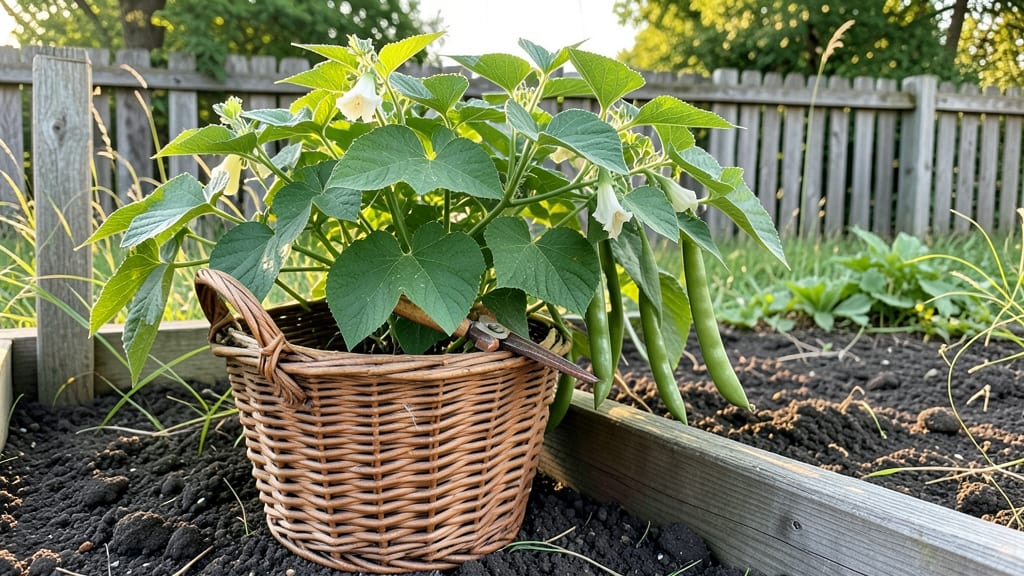
To know when beans 🌱 are ready to harvest, watch for firm pods that snap easily and reach the full size for your variety — usually 4-6 inches long for snap beans.
Picking beans at the wrong time can mean the difference between a crisp, flavorful harvest and a mealy, disappointing one—but knowing the perfect moment takes more than just guessing.
Most gardeners miss the ideal window because they rely on days since planting rather than visual cues. That’s why I’m sharing three simple tests: checking pod size, color, and the classic "snap test" that tells you exactly when to pick.
You’ll also learn how to avoid common mistakes like overripe or underripe beans, plus seasonal timing tips to keep your harvest fresh all summer long.

3 Visual and tactile tests to determine bean harvest readiness
Determining the perfect moment to harvest beans can feel like guessing—until you learn these three foolproof tests. Green beans, bush beans, and pole beans all share key readiness cues, but their ideal sizes and textures vary slightly.
The good news? You don’t need fancy tools—just your eyes, fingers, and a little patience. These methods ensure you pick beans at their peak flavor and texture, avoiding the common pitfalls of overripe or underripe pods.
First, let’s clarify what you’re looking for: firm pods with vibrant color and a satisfying snap. Skipping these checks often leads to mealy beans (if left too long) or underdeveloped pods (if picked too early).
Whether you’re growing snap beans like Blue Lake or dry beans like Pinto, these tests apply universally. For bush beans, harvest readiness comes slightly earlier than pole beans due to their faster growth cycle.
- 📏 Pod Size Check: Measure pods against your thumb—bush beans should be 2-4 inches long, while pole beans reach 4-6 inches. Varieties like Romano are smaller; Contender beans are larger.
- 🌿 Color Consistency: Look for deep, uniform color (bright green for snap beans, brown for dry beans). Dull or yellowing pods mean they’ve passed their prime.
- ✂️ Snap Test: Gently bend a pod—it should snap cleanly like a twig. If it bends without snapping, it’s overripe; if it feels rubbery, it’s underripe.
For bush beans, timing is critical because they produce all their pods at once. Once pods start hardening or yellowing, the plant stops producing. Check pods every 2-3 days—if you see more than 10% turning yellow, it’s time to harvest the entire batch.
Pole beans, on the other hand, continue producing for weeks, so you can afford to be slightly more flexible with their harvest window.
Color is your next clue, but not all green beans are created equal. Bright, even green indicates peak ripeness, while pale or mottled pods suggest stress (like uneven watering or too much shade). Dry beans, like kidney or black beans, should have a matte, papery texture and a deep brown or black hue.
If the pod splits open easily when touched, it’s ready—just don’t wait until seeds rattle inside, as that means the plant is shutting down production.
The snap test is the most reliable way to confirm readiness, especially for snap beans. Hold a pod between your fingers and bend it gently—it should break with a crisp snap, not bend like plastic. If it feels leathery or woody, it’s overripe.
For pole beans, this test is even more critical because their pods grow larger and can become fibrous if left too long. Pro tip: Use this test on 3-5 pods per plant to ensure consistency before harvesting the whole batch.
One common mistake is assuming all beans follow the same size rules. For example, yard-long beans (like Chinese long beans) can grow up to 2 feet long before reaching peak flavor, while bush beans like Blue Lake max out at 3-4 inches.
Always check your seed packet for variety-specific guidelines, but use the snap test as your final judge. If you’re unsure, err on the side of harvesting slightly early—beans continue to ripen off the plant, but they won’t improve after they’ve passed their prime.
Seasonal timing also plays a role. Early in the season, beans ripen faster due to cooler temperatures, so you’ll need to check pods daily. In hot summer months, growth slows, and pods may take longer to reach harvest size.
Adjust your checks accordingly: morning harvests in summer and every-other-day checks in spring. Keep a small notebook by your garden to track when your specific variety typically reaches readiness—this helps you anticipate future harvests.
Finally, don’t overlook the plant’s signals. If you notice fewer flowers or drooping leaves, it may be time to harvest everything remaining to redirect the plant’s energy.
For pole beans, this often happens after 8-10 weeks of growth, while bush beans may signal readiness after just 50-60 days. Paying attention to these cues ensures you maximize your yield without stressing the plant.
With these three tests—size, color, and snap—you’ll never second-guess your bean harvest again. Start with the pod size as your first filter, then confirm with color and texture.
For pole beans, prioritize the snap test to avoid woody pods, while bush beans benefit most from frequent color checks. Happy harvesting! 🌱
Common mistakes that cause overripe or underripe beans (and how to avoid them)
Even experienced gardeners sometimes struggle with harvest timing for beans, leading to overripe pods that turn tough or underripe ones that lack flavor. The key lies in understanding variety-specific cues and avoiding common pitfalls that ruin your harvest before it even reaches the table.
One of the biggest mistakes is assuming all beans mature at the same rate. Bush beans like Blue Lake typically reach harvest in 50-60 days, while pole beans such as Kentucky Wonder take 60-70 days.
Even within the same variety, seasonal temperature swings can delay or accelerate ripening by 1-2 weeks.
Another frequent error is harvesting based on calendar days instead of visual maturity. Just because your seed packet says "ready in 55 days" doesn't mean you should pick blindly—pod size and seed visibility are far more reliable indicators than counting days.
🚨
❌ Overripe: Pods turn yellowish or brown, seeds are huge, and pods feel woody or leathery.
❌ Underripe: Pods are small and pale, soft to the touch, and seeds aren't visible through the pod wall.
Seasonal timing also plays a critical role. In cooler climates, beans planted in late spring may need extra weeks to mature, while hot summers can speed up ripening.
For example, green beans in Zone 5 might be ready by mid-July, but in Zone 9, they could start as early as late June.
Another trap is waiting until pods are fully elongated before picking, which often means they've passed peak flavor. Snap beans should be harvested when they're 3-4 inches long—any longer, and they'll become fibrous and tough.
For dry beans like pinto or black beans, wait until pods turn brown and papery, but don't delay beyond that or the pods may split open on the vine.
To avoid these mistakes, check your plants every 2-3 days during peak harvest season. Morning harvests are ideal because pods are cool and crisp, and you can remove damaged pods before they spread disease.
If you notice pods flowering but not setting beans, it could signal poor pollination—try gentle hand-pollination or check for pests like Mexican bean beetles.
Finally, don't harvest all pods at once. Leaving a few mature pods on the plant encourages future production, but overloading the plant with unharvested beans can reduce yield and stress the plant. Aim to pick every other day during peak season to keep your plants productive.